Hey fellow plant lovers!
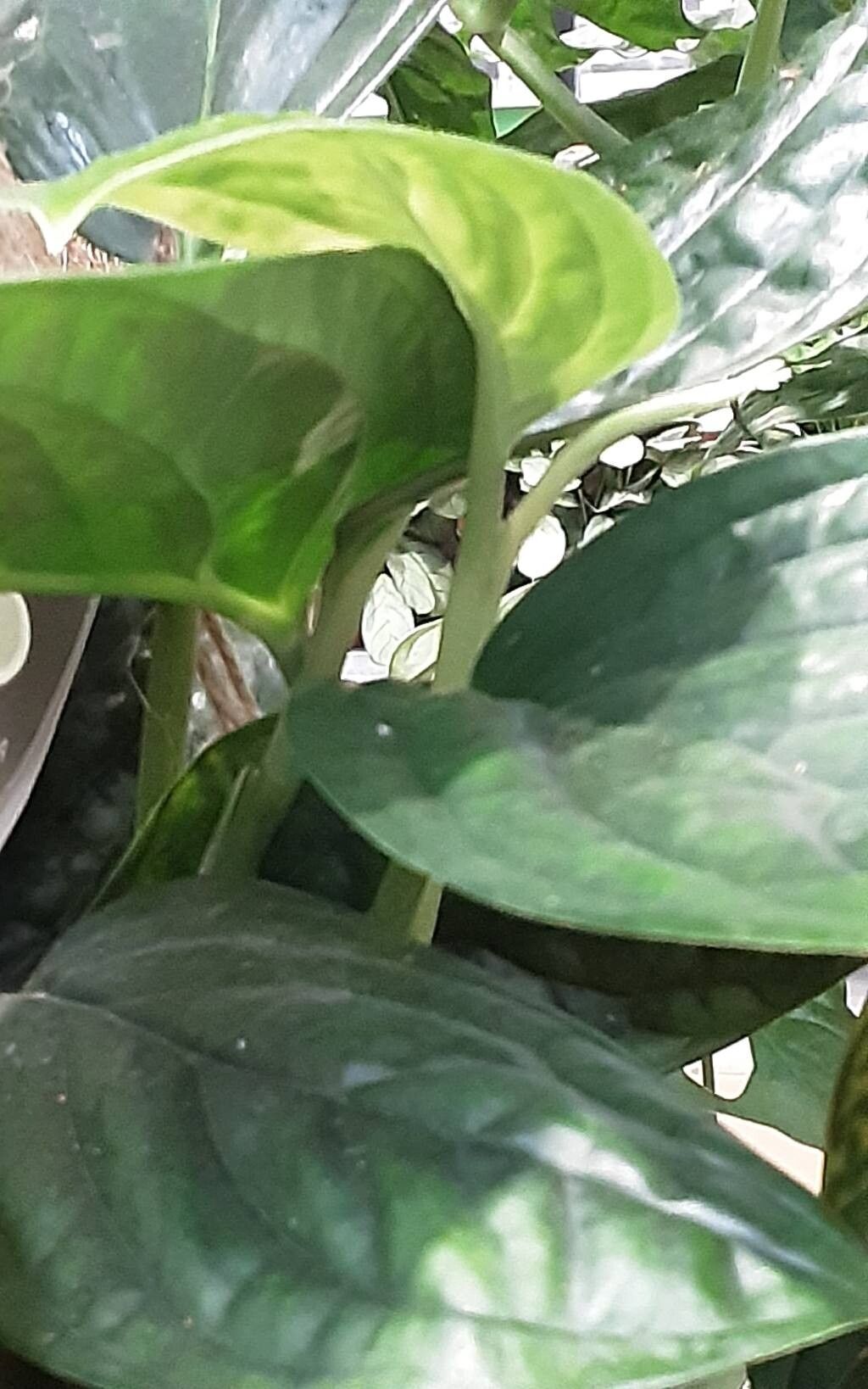
If you’ve ever admired those dramatic, deeply lobed leaves of the Monstera pinnatipartita, you’re not alone. This ain’t your grandma’s Monstera, folks. Its frilly, fenestrated leaves are a true showstopper, and there’s something incredibly satisfying about taking one of these beauties and creating a whole new plant from it. It feels like magic, doesn’t it? Now, when it comes to propagating pinnatipartita, I’ll be honest, it’s not quite as straightforward as snipping off a piece of a standard Monstera deliciosa. It leans more towards the intermediate end, but with a little patience and the right approach, you can absolutely succeed. Think of it as a rewarding challenge, a stepping stone to mastering trickier plants!
When the Green Light Shines: The Best Time to Start
For Monstera pinnatipartita, success hinges on tapping into its active growing season. Spring and early summer are your golden windows. You’ll see new leaves unfurling, stems lengthening, and the plant buzzing with energy. This vitality translates directly to a higher chance of your cuttings rooting quickly and healthily. Trying to propagate when the plant is dormant in the fall or winter is like asking a sleepy bear to run a marathon – it’s just not going to happen with the same enthusiasm!
Your Propagation Toolkit: What You’ll Need
Gathering your supplies beforehand makes the whole process so much smoother. Here’s what I always have on hand:
- Sharp, Clean Pruning Shears or a Knife: Crucial for making clean cuts. Think of it as surgery for your plant – you want precision!
- Well-Draining Potting Mix: A blend of potting soil, perlite, and orchid bark is fantastic. This prevents waterlogged roots, which are the enemy!
- Small Pots or Propagation Vessels: Clean terra cotta pots or even clear plastic cups work well. The size should be appropriate for a cutting.
- Rooting Hormone (Optional but Recommended): A good quality powder or gel can give your cuttings a significant boost.
- Water: Clean, room-temperature water for any water propagation methods.
- Clear Plastic Bags or a Propagator (Optional): For creating a humid environment.
Bringing Forth New Life: Propagation Methods
Monstera pinnatipartita is best propagated through stem cuttings. This involves taking a piece of the main stem and encouraging it to root and grow into a new plant.
Method 1: Stem Cuttings in Soil
This is my tried-and-true method for pinnatipartita.
- Locate Your Cutting: Look for a healthy stem that has at least one node (the little bump where a leaf or aerial root emerges). Ensure your cutting has at least one leaf; a leaf helps the cutting photosynthesize as it roots.
- Make the Cut: Using your sterilized pruning shears, carefully cut the stem about an inch below the node. If your cutting has an aerial root already forming, even better!
- Prepare the Cutting: Gently remove any lower leaves that might fall below the soil line. Dip the cut end into your rooting hormone, tapping off any excess.
- Plant the Cutting: Fill your small pot with your well-draining potting mix. Make a small hole with your finger or a pencil and insert the cutting, ensuring the node is buried. Gently firm the soil around it.
- Water and Cover: Water the soil thoroughly until you see water drain from the bottom. Then, cover the pot with a clear plastic bag or place it in a propagator. This creates a mini-greenhouse effect, retaining moisture.
Method 2: Stem Cuttings in Water
While I prefer soil for pinnatipartita long-term, water propagation can be a great way to watch roots develop.
- Prepare Your Cutting: Follow steps 1 and 2 from the soil method, making sure your cutting has at least one leaf.
- Place in Water: Fill a clean jar or glass with room-temperature water. Submerge the cutting, making sure the node is underwater, but crucially, keep the leaf out of the water. Leaves sitting in water will rot.
- Find a Spot: Place the container in bright, indirect light.
- Change the Water: Change the water every few days to keep it fresh and prevent bacterial growth.
Once you see substantial root growth (at least an inch long) in water, you can then transition it to soil, following the planting steps above.
The “Secret Sauce”: My Insider Tips
Over the years, I’ve learned a few tricks that seem to make all the difference when propagating Monstera pinnatipartita.
- Don’t Be Afraid of Aerial Roots: If your cutting already has a developing aerial root, that’s a fantastic sign! Make sure it gets plenty of contact with the soil or water. It’s already getting a head start on anchoring itself.
- Embrace Bottom Heat: A little warmth from below can really speed up the rooting process, especially if your environment isn’t naturally toasty. Consider a seedling heat mat set to a low temperature. It’s like giving your cuttings a warm hug!
- Patience is Key with This One: Monstera pinnatipartita can be a bit slower to root than some other aroids. Don’t get discouraged if you don’t see much activity for a few weeks. Trust the process and give it time. Resist the urge to constantly check or disturb it.
After You See Roots: Nurturing Your New Baby
Once you see healthy roots forming (you’ll see them peeking out of the drainage holes in soil, or growing in water), it’s time to transition to dedicated care.
- For Soil-Rooted Cuttings: Continue to keep the soil consistently moist but not soggy. Maintain that humid environment by keeping the plastic bag on or in your propagator for another week or two. Gradually introduce it to more indirect light.
- For Water-Rooted Cuttings: Once roots are developing nicely, gently plant your cutting in the well-draining potting mix as described in the soil propagation method. Water thoroughly. **The key here is a slow transition from water to soil. Keep it in that humid environment for a while longer.
Troubleshooting: The biggest culprit for failure with cuttings is rot. This usually happens from overwatering or a lack of air circulation. If you notice your cutting turning mushy and black, it’s likely rotted. You can try to cut away the rot and reroot the healthy part, but act fast! Sometimes, a cutting just fails to root. Don’t take it personally – it happens to the best of us!
So there you have it! Propagating Monstera pinnatipartita is a journey, not a race. Be patient, give your little cuttings the right conditions, and enjoy the magic of watching them grow. You’ll be rewarded with beautiful new plants to admire and share. Happy growing!
Resource:
https://identify.plantnet.org/k-world-flora/species/Monstera%20pinnatipartita%20Schott/data