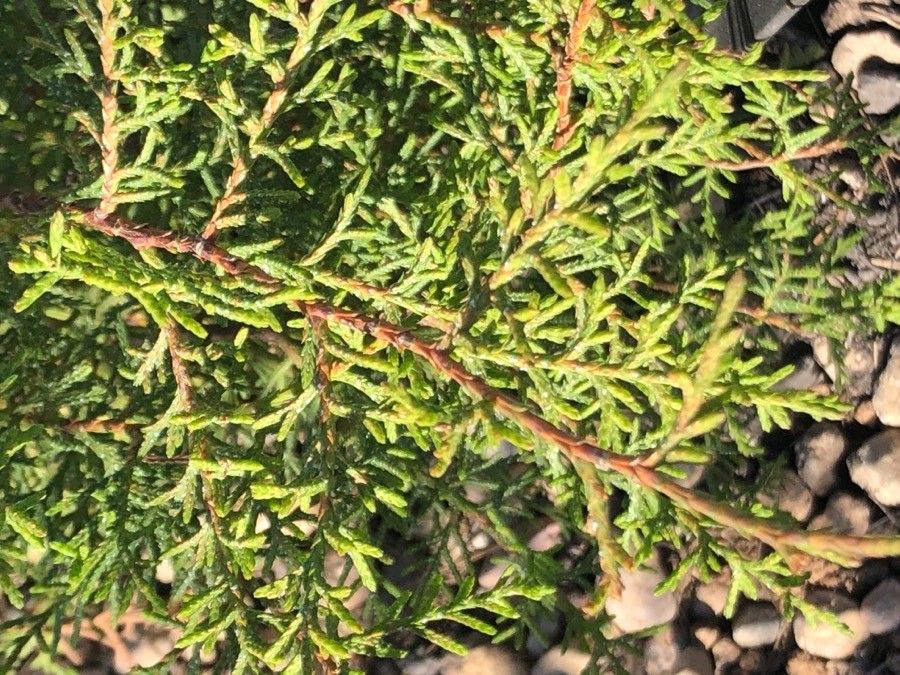
Hey there, fellow garden enthusiasts! Today, we’re diving into the wonderful world of Hesperocyparis macnabiana, also known as McNab’s cypress. If you’ve ever admired its beautiful, lacy foliage and its stately presence in a landscape, you’re in for a treat. Bringing one of these beauties into your own garden, or sharing it with friends, by propagating it yourself is incredibly satisfying.
Why Propagate McNab’s Cypress?
McNab’s cypress is a real stunner. Its aromatic, finely textured foliage brings a unique charm to any garden. It’s native to Northern California and Southern Oregon, and propagating it allows us to enjoy this often-underappreciated gem. While some conifers can be a bit finicky, I’ve found McNab’s cypress to be moderately easy to propagate, making it a rewarding project for those with a bit of gardening experience under their belt but not daunting for a determined beginner.
The Best Time to Start
For the highest success rates, I always aim to take cuttings from McNab’s cypress in the late spring to early summer. This is when the plant is actively growing, and the young, semi-hardwood stems have a good balance of flexibility and maturity. Think May or June – the days are getting longer, and the plant is full of vigor.
Supplies You’ll Need
Alright, let’s gather our troops! Having the right tools makes all the difference:
- Sharp Pruning Shears or Knife: Clean cuts are crucial to prevent disease. Your favorite clean secateurs will do.
- Rooting Hormone: A good quality rooting hormone powder or gel will significantly boost your chances of root development.
- Potting Mix: I like a well-draining mix, typically a blend of equal parts perlite, peat moss, and a bit of coarse sand. This aerates the soil and prevents waterlogging.
- Small Pots or Trays: Clean pots, about 4-6 inches deep, are perfect. You can also use a seed tray with good drainage.
- Clear Plastic Bags or Domes: These create a humid microclimate, which is vital for cuttings.
- Bottom Heat (Optional but Recommended): A seedling heat mat can really speed up root formation.
- Watering Can with a Fine Rose: For gentle watering.
- Labels and a Pen: To keep track of what you’ve planted and when!
Let’s Get Propagating: Stem Cuttings
This is my go-to method for McNab’s cypress. It’s reliable and produces plants true to the parent.
- Select Your Parent Plant: Choose a healthy, vigorous McNab’s cypress. Look for stems that are growing well.
- Take Your Cuttings: Using your clean pruning shears, snip off semi-hardwood cuttings a few weeks after the main spring flush of growth. Aim for pieces about 4-6 inches long. Make your cut just below a leaf node (where a leaf attaches to the stem).
- Prepare the Cuttings: Gently strip off the lower leaves, leaving only the top few to photosynthesize. If the cutting has any resin or sap oozing from the cut end, wipe it away gently with a damp cloth.
- Apply Rooting Hormone: Dip the cut end of each cutting into your rooting hormone, ensuring it’s coated well. Tap off any excess.
- Potting Up: Fill your clean pots with your prepared potting mix. Make a small hole in the center of the mix with a pencil or your finger.
- Insert the Cuttings: Gently insert the hormone-coated end of each cutting into the hole, making sure the leaf nodes are buried in the soil. This is where roots will emerge. Firm the soil gently around the stem.
- Create a Humid Environment: Water the potting mix thoroughly but gently. Then, cover the pots with a clear plastic bag, securing it around the rim with a rubber band, or place them under a clear plastic dome. If using a bag, try to make sure the leaves don’t touch the plastic.
The “Secret Sauce” – My Insider Tips
Beyond the basics, here are a few things I’ve learned over the years that can make a real difference:
- Don’t Overdo the Hormone: While rooting hormone is your friend, too much can actually inhibit rooting. Just a light coating is sufficient.
- Bottom Heat is a Game Changer: Placing your pots on a seedling heat mat set to around 70-75°F (21-24°C) will dramatically encourage root development. It mimics the warmth of spring soil and is particularly effective for woody cuttings.
- Air Circulation is Key: Even though we want humidity, it’s important to prevent fungal issues. Open the plastic bag or dome for about 15-30 minutes each day to allow for fresh air exchange. This also helps prevent that dreaded “dampening off” disease.
Aftercare & Troubleshooting
Once your cuttings are potted, place them in a bright location out of direct sunlight. Keep the soil consistently moist but not soggy.
You’ll know your cuttings are rooting when you see new growth emerging from the top or, if you gently tug on a cutting, you feel resistance. This usually takes anywhere from 4-12 weeks, sometimes longer.
Signs of Trouble:
- Yellowing Leaves: This can be a sign of overwatering or a lack of light.
- Blackening or Mushy Stems: This is almost always a sign of overwatering and rot. Unfortunately, these cuttings are usually beyond saving. This is why that well-draining mix and daily airing are so important.
- Wilting: While some wilting is normal initially as the cutting adjusts, persistent wilting can indicate insufficient moisture or that the cutting just isn’t taking.
Once roots have formed and you see new growth, you can begin to gradually acclimate your new plants to normal room humidity by slowly opening the plastic bag or dome over a week or two. Then, you can transplant them into their own individual, slightly larger pots with good potting soil.
Keep Growing!
Propagating plants is a journey, not a race. There will be times when things don’t quite work out, and that’s perfectly okay! Every gardener learns through experience. The joy of watching a tiny cutting develop roots and grow into a beautiful new plant is an unparalleled reward. So, grab your shears, get creative, and enjoy the process of growing your own McNab’s cypress. Happy gardening!
Resource: