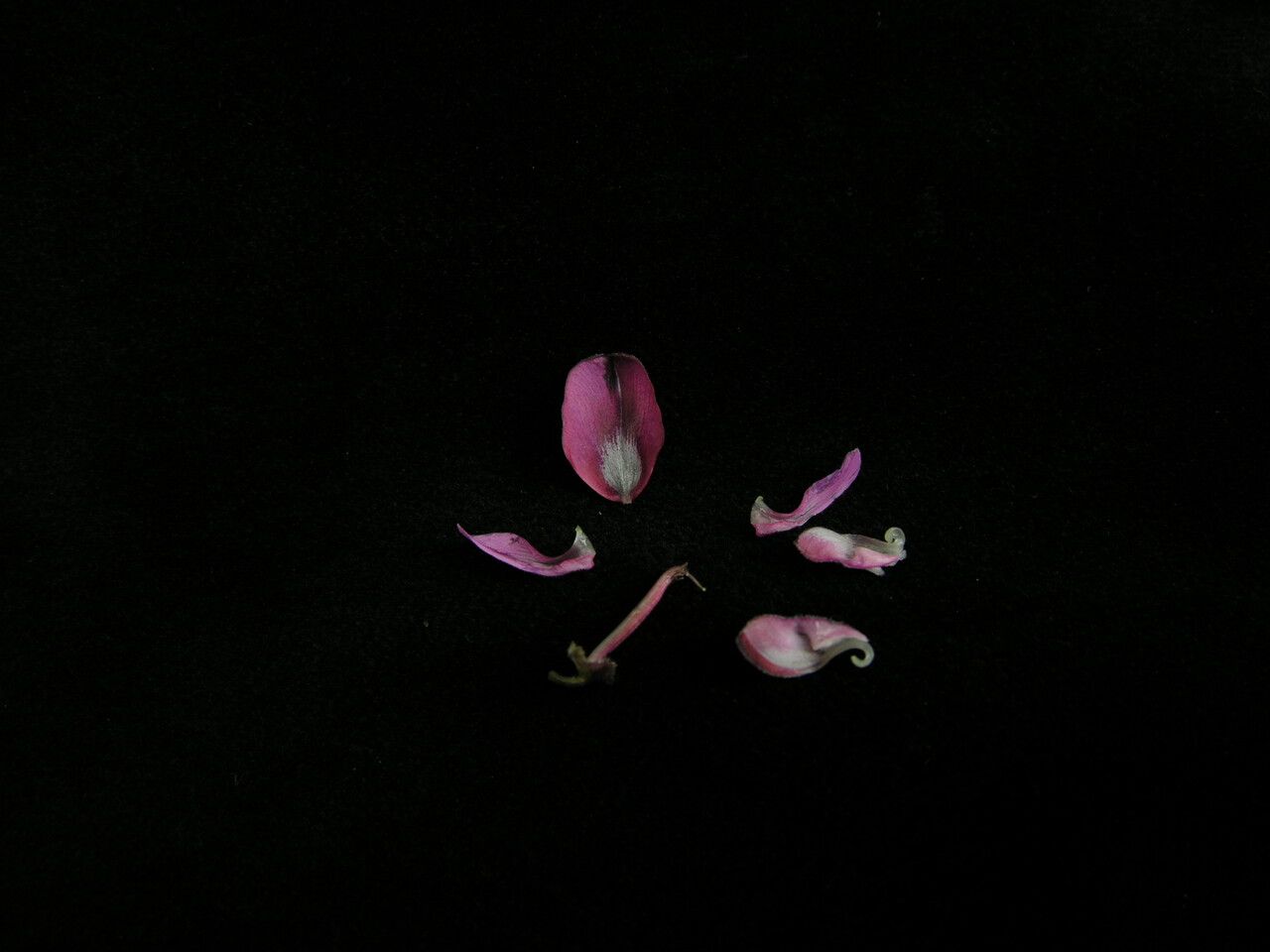
Oh, hello there! It’s so lovely to have you join me. Today, we’re diving into the wonderful world of propagating Indigofera hebepetala. If you’re looking for a plant that brings a splash of delicate beauty and a touch of the exotic to your garden, this is it! Its arching stems adorned with those charming, pea-like lavender-blue flowers are simply enchanting. And the best part? Watching a tiny slip you nurtured bloom into a thriving plant is one of gardening’s greatest joys.
Now, before we get our hands dirty, a little heads-up: Indigofera hebepetala can be a tad bit finicky for absolute beginners. But with a little patience and these tips, I’m confident you’ll be successful. Think of it as a rewarding challenge that will truly boost your green-thumb confidence!
The Best Time to Start
For the highest chance of success with Indigofera hebepetala, I always recommend striking cuttings in late spring or early summer. This is when the plant is in a vigorous growth spurt, meaning the stems are full of life and ready to put down roots. You want to be taking cuttings from new, semi-hardwood growth. That means it’s not entirely soft and floppy like a brand-new shoot, but not woody and rigid either. It should snap cleanly when you bend it gently.
Supplies You’ll Need
To get started, you’ll want to gather a few things:
- Clean, sharp pruning shears or a sharp knife: For making clean cuts to prevent disease.
- Small pots or propagation trays: With drainage holes, of course!
- Well-draining potting mix: A good starting point is a blend of equal parts peat moss (or coco coir), perlite, and coarse sand. You can also find pre-made succulent or cactus mixes that work well.
- Rooting hormone powder or gel (optional but recommended): This really gives your cuttings a boost.
- Plastic bags or a propagation dome: To create a humid environment.
- Horticultural charcoal (optional): A pinch mixed into the soil can help prevent damping off.
- A watering can with a fine rose: For gentle moisture.
Propagation Methods
We’ll focus on the most reliable method for Indigofera hebepetala: stem cuttings.
- Take Your Cuttings: On a bright morning, select a healthy stem. Using your clean shears or knife, take cuttings that are about 4-6 inches long. Make your cut just below a leaf node. A leaf node is where a leaf joins the stem – this is where the magic happens and roots are most likely to form. Remove the leaves from the bottom half of the cutting. You can leave just one or two sets of leaves at the top to help with photosynthesis.
- Prepare the Cuttings: If you’re using rooting hormone, dip the cut end into the powder or gel, ensuring it’s coated. Tap off any excess.
- Plant Your Cuttings: Fill your pots or trays with your prepared potting mix. You can moisten it slightly beforehand. Make a small hole with a pencil or your finger, and gently insert the cutting about 1-2 inches deep. Firm the soil gently around the stem.
- Create a Humid Environment: Water the soil lightly. Then, cover the pots with a plastic bag or place them under a propagation dome. This traps moisture and creates the humid microclimate the cuttings need to thrive. Make sure the leaves aren’t touching the plastic if possible. If you’re using bags, you might want to secure them over stakes or skewers to keep them from wilting onto the leaves.
- Find a Warm Spot: Place your propagation setup in a bright location that receives indirect sunlight. Avoid direct sun, which can scorch the tender cuttings. Ideal temperatures are between 70-75°F (21-24°C).
The “Secret Sauce” (Pro Tips)
Here are a few little tricks I’ve learned over the years that make a big difference:
- Bottom Heat is Your Best Friend: If you have the means, using a seedling heat mat under your pots can significantly speed up root formation. Indigofera really loves that gentle warmth from below.
- Don’t Drown Them! While humidity is key, overwatering is the fastest way to kill your cuttings. The soil should be consistently moist, like a wrung-out sponge, not soggy. Check the moisture level by gently poking your finger into the soil.
- Air Them Out Occasionally: Even under a dome, it’s good practice to lift the plastic or open the dome for a few minutes each day. This helps to prevent fungal diseases and allows for some air circulation.
Aftercare & Troubleshooting
Be patient! It can take anywhere from 4-8 weeks for your Indigofera hebepetala cuttings to root. You’ll know they are ready when you see signs of new growth, or if you gently tug on the cutting and feel resistance – the roots are holding on!
Once roots have formed, it’s time to gradually acclimate them to normal conditions. Start by removing the plastic or opening the dome for longer periods each day. Water carefully, ensuring the soil dries out slightly between waterings. You can then transplant them into individual pots if they aren’t already.
The most common sign of failure is rot. If your cutting looks mushy, turns dark and limp, or simply refuses to show any signs of life after several weeks, it’s likely succumbed to rot. This is usually due to too much moisture or lack of air circulation. Don’t be disheartened! It happens to the best of us. Just clean your pot, sterilize your tools, and try again.
A Fond Farewell
Propagating plants is a journey, and Indigofera hebepetala offers a beautiful path to explore. There will be successes, and perhaps a few less fortunate attempts, but each one is a learning experience. So, get your hands in the soil, embrace the process, and enjoy the magic of coaxing new life from a simple cutting. Happy gardening!
Resource: