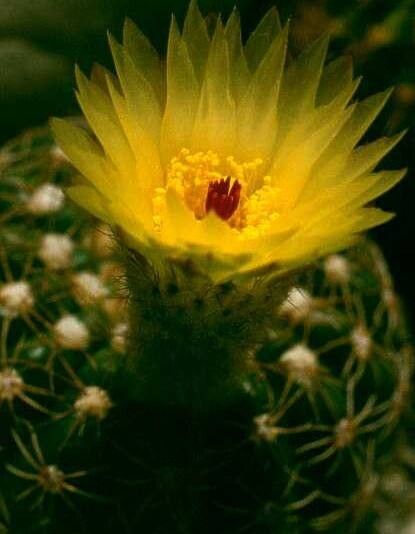
Hello fellow plant lovers! Today, we’re diving into the wonderful world of propagating Parodia nothorauschii. If you’ve ever admired these stunning, barrel-shaped cacti with their vibrant spines, you’re in for a treat! Watching a new plant sprout from a small cutting or division is incredibly satisfying. And a little secret? While Parodia nothorauschii can be a bit more particular than, say, your average succulent, it’s definitely achievable for the enthusiastic beginner with a little guidance. Think of it as a gentle introduction to more specialized propagation.
The Best Time to Start
For Parodia nothorauschii, the sweet spot for propagation is during its active growing season. This typically means from late spring through to late summer. You want to catch your parent plant at its most vigorous. Starting around April or May, when the days are getting longer and warmer, gives your new propagations plenty of time to establish before cooler weather sets in. Avoid trying this in the dead of winter when the plant is resting.
Supplies You’ll Need
Gathering your supplies beforehand makes the whole process so much smoother. Here’s what I usually have on hand:
- Well-draining potting mix: A cactus and succulent mix is a good start, but I often amend it with extra perlite or pumice. About a 50/50 blend works wonders.
- Sharp, clean pruning shears or a sharp knife: Sterilize them with rubbing alcohol between cuts!
- Rooting hormone (optional but recommended): A powdery substance that helps encourage root development.
- Small pots or trays: Terracotta pots are great because they breathe.
- Gravel or perlite: For added drainage at the bottom of pots.
- Spray bottle: For gentle watering.
- Gloves: Those spines can be lively!
- A warm, bright location: Think a sunny windowsill or under grow lights.
Propagation Methods
Parodia nothorauschii is primarily propagated by offsets (also called pups) or by cuttings from the main stem if the plant has grown large enough and developed side shoots.
Method 1: Offsetting (Division)
This is often the most straightforward and successful method for Parodia nothorauschii. You’ll notice these cacti often produce little baby plants around their base.
- Identify Offsets: Look for small, plump plants emerging from the sides or base of your mature Parodia nothorauschii.
- Prepare Your Tools: Ensure your knife or shears are clean and sharp.
- Carefully Separate: Gently try to wiggle the offset. If it doesn’t come away easily, carefully insert your knife between the offset and the mother plant, slicing through any connecting tissue. You want to get as much of the offset’s base as possible.
- Allow to Callous: This is a crucial step! Place the separated offset in a dry, airy spot away from direct sunlight for at least 3-7 days. This allows the cut surface to dry and form a protective “callous,” preventing rot.
- Planting: Once calloused, you can plant your offset. Fill a small pot with your well-draining mix. You can gently dip the calloused end into rooting hormone for an extra boost, but it’s not strictly necessary. Make a small indentation in the soil and place the offset in, firming the soil gently around its base. Don’t bury it too deeply.
- Initial Watering: Resist the urge to water immediately. Wait about a week after planting before giving it a very light watering.
Method 2: Stem Cuttings
If your Parodia has sprouted side shoots or a head has broken off (which can happen!), you can use those as cuttings.
- Take the Cutting: Using your clean, sharp tool, remove a piece of the stem. Aim for a piece that has a bit of height to it.
- Callous Over: Just like with offsets, this is non-negotiable. Let the cutting dry out and form a callous for at least a week, perhaps even two, in a bright, dry spot. The thicker the cutting, the longer it might need.
- Planting: Once calloused, plant the cutting in a pot filled with your cactus mix. You can insert the calloused end about an inch or so into the soil.
- Waiting for Roots: This method can take longer to show signs of rooting than offsets. Be patient!
The “Secret Sauce” (Pro Tips)
I’ve learned a thing or two over the years, and a few tricks really make a difference:
- Don’t Drown Your Dreams (or Your Cacti!): When you do eventually water your newly planted propagations, go easy. I prefer bottom watering initially. Set the pot in a shallow tray of water for about 15-20 minutes, allowing the soil to wick up moisture. This prevents the surface from getting too soggy and encourages roots to grow downwards.
- Embrace Bottom Heat: Cacti absolutely love warmth. Placing your pots on a heating mat specifically designed for seedlings can significantly speed up root development and increase your success rate, especially if your indoor temperatures fluctuate. It mimics their natural, warm environment.
- Air Circulation is Key: Mold and rot are the biggest enemies of propagations. Make sure the area where your new plants are resting has good air circulation. A small fan set on low, pointing loosely in the general direction, can do wonders.
Aftercare & Troubleshooting
Once your Parodia nothorauschii cuttings or offsets show signs of growth (you might see a slight plumpness or even a tiny new spine!), you’re on the right track.
- Gradual Watering: Continue with light, infrequent watering. Let the soil dry out completely between waterings. As the plant grows, you can gradually increase the watering frequency, but always ensure excellent drainage.
- Light: They love bright light, but direct, scorching sun can burn young, vulnerable propagations. A bright, indirect light spot or filtered sun is ideal until they are more established.
- Signs of Trouble: The most common issue is rot, which manifests as a mushy, dark base. If you see this, act fast! You might be able to salvage healthy parts of the stem by cutting them off, letting them callous, and replanting. Overwatering is almost always the culprit. Shriveling can sometimes be a sign of thirst, but it can also be a sign of failed rooting where the plant is trying to conserve energy.
A Little Patience Goes a Long Way
Propagating Parodia nothorauschii is a rewarding journey. It requires a bit more attention to detail than some other plants, but the success when you see those little roots forming or a new pup emerging is just immense. Be patient, observe your plants, and trust the process. Happy propagating!
Resource:
https://identify.plantnet.org/k-world-flora/species/Parodia%20nothorauschii%20D.R.Hunt/data