Hello, fellow garden enthusiasts!
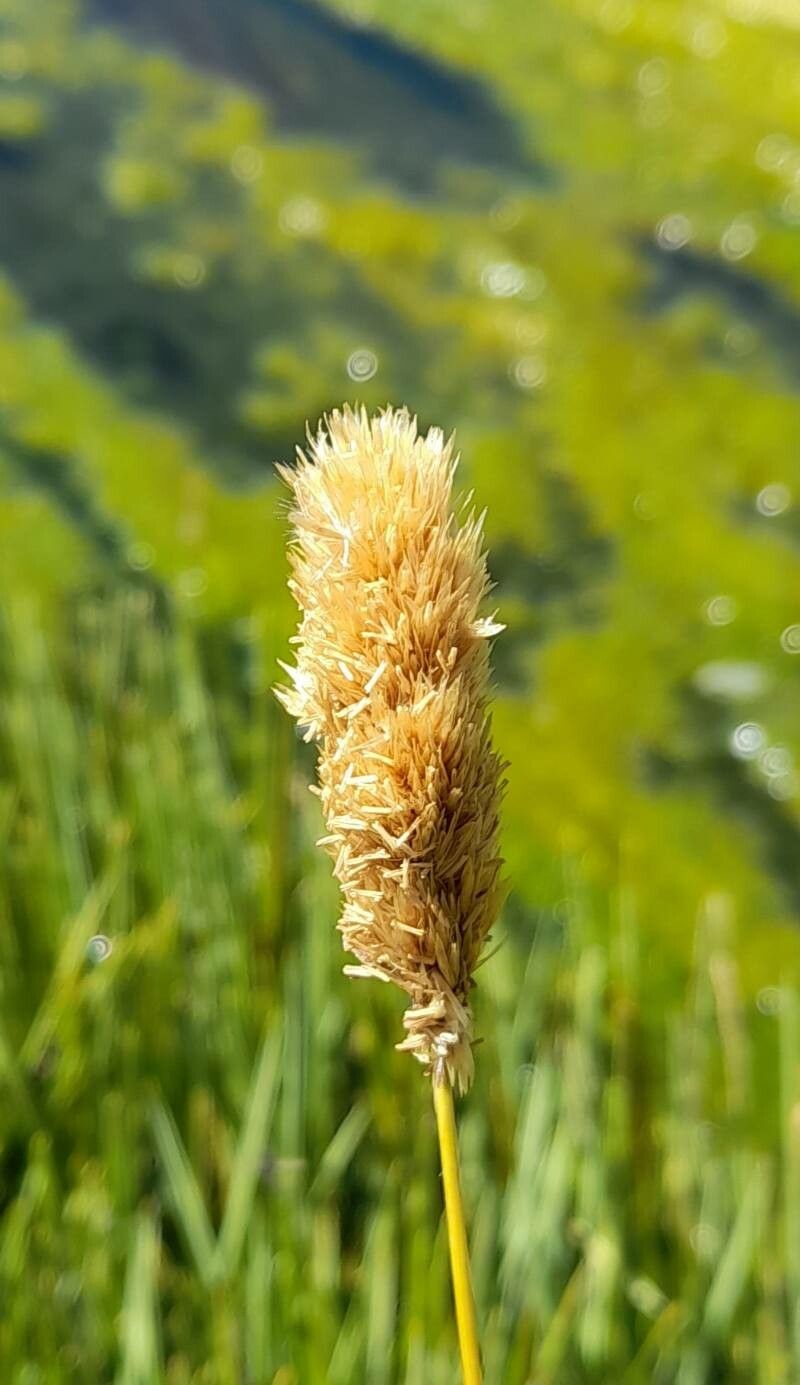
Today, we’re diving into the wonderful world of Deschampsia chrysantha, also known as the Golden Hair Grass. If you’re drawn to those elegant, arching sprays of shimmering golden foliage that catch the light just so, you’re not alone. This little beauty brings a touch of sunshine and movement to any garden bed or container, and there’s something incredibly satisfying about creating more of it yourself.
Now, I know new plants can sometimes feel a bit daunting. But don’t fret! Propagating Deschampsia chrysantha is moderately easy, especially if you’re familiar with dividing perennials. It’s a fantastic way to fill out a planting or share your garden’s joy.
The Best Time to Start
My favorite time to get started with Deschampsia chrysantha is in early spring. Think just as the soil begins to warm up and before the plant really commits to its vigorous summer growth. You want to catch it when it’s waking up from dormancy. Late summer or early autumn, after the main flowering flush, can also work, but I find the spring gives the divisions the best chance to establish before winter really sets in.
Supplies You’ll Need
Before we dig in, let’s gather our tools. Having everything ready makes the whole process go much smoother.
- Sharp, clean trowel or garden spade: For dividing clumps.
- Pruning shears or a sharp knife: To trim back any dead foliage.
- Small pots or trays: With drainage holes, of course!
- Good quality potting mix: I like a mix that’s light and airy, with good drainage. A blend of peat, perlite, and compost usually does the trick.
- Watering can or spray bottle: For gentle watering.
- Optional: Slow-release granular fertilizer: For a little boost once established.
Propagation Methods: Division is Key!
For Deschampsia chrysantha, the most straightforward and successful method is division. This grass forms nice, clumping mounds, and separating these clumps is how we make more plants.
- Prepare Your Plant: In early spring, gently dig around the base of your Deschampsia chrysantha with your trowel or spade. Loosen the soil and try to lift the entire plant out of the ground. It’s okay if the root ball breaks apart a little; that’s what we want!
- Assess the Clump: Once the plant is out, you’ll see the dense root ball and often distinct divisions wanting to separate. You can gently pull apart the clump with your hands. If it’s very tough, you might need to use your trowel or spade to help cut through the roots. Aim for sections that have good roots and at least a few healthy shoots or leaves.
- Pot Up Your Divisions: Fill your small pots with your potting mix. Make a little well in the center of each pot and place a division into it. The crown of the plant (where the leaves emerge from the roots) should be about at soil level.
- Water Gently: Water the newly potted divisions thoroughly. You want to settle the soil around the roots. A gentle stream from a watering can is best, or you can mist them if you’re worried about disturbing the soil.
- Find a Cozy Spot: Place your potted divisions in a sheltered location. A bright spot is good, but avoid direct, hot sun for the first week or two. This helps them acclimatize without getting stressed.
The “Secret Sauce” (Pro Tips)
Here are a couple of tricks I’ve learned over the years that really help these divisions thrive:
- Don’t Over-Tease the Roots: While we want to separate them, try not to strip away too much of the old soil from the roots. A little bit of the original soil clinging to the roots can actually help them transition and establish more quickly.
- Bottom Heat is Your Friend: If you happen to have a seedling heat mat (often used for seed starting), placing your pots on it can significantly speed up root development. Deschampsia chrysantha roots love a bit of warmth from below to get going.
Aftercare & Troubleshooting
Once your divisions are potted, keep them consistently moist but not waterlogged. You can check the soil moisture by sticking your finger about an inch deep. If it feels dry, it’s time to water. New growth emerging from the crown is a sign that your divisions have rooted successfully.
The most common issue you might face is rot, which is usually caused by overwatering or poor drainage. If you see leaves turning yellow and mushy, or if the base of the plant looks dark and slimy, root rot might be setting in. In this case, gently remove the affected division, check the roots (trimming away any black, mushy parts), and repot it in fresh, well-draining soil. Ensure the pot has good drainage holes!
A Little Patience Goes a Long Way
Propagating plants is a journey, and each division is a little bit of hope for the future. Be patient with your new Deschampsia chrysantha. It might take a few weeks for them to really show signs of new growth, but when they do, it’s so rewarding. Enjoy the process of nurturing these little sprigs into beautiful, flowing grasses that will bring you joy for years to come. Happy gardening!
Resource: