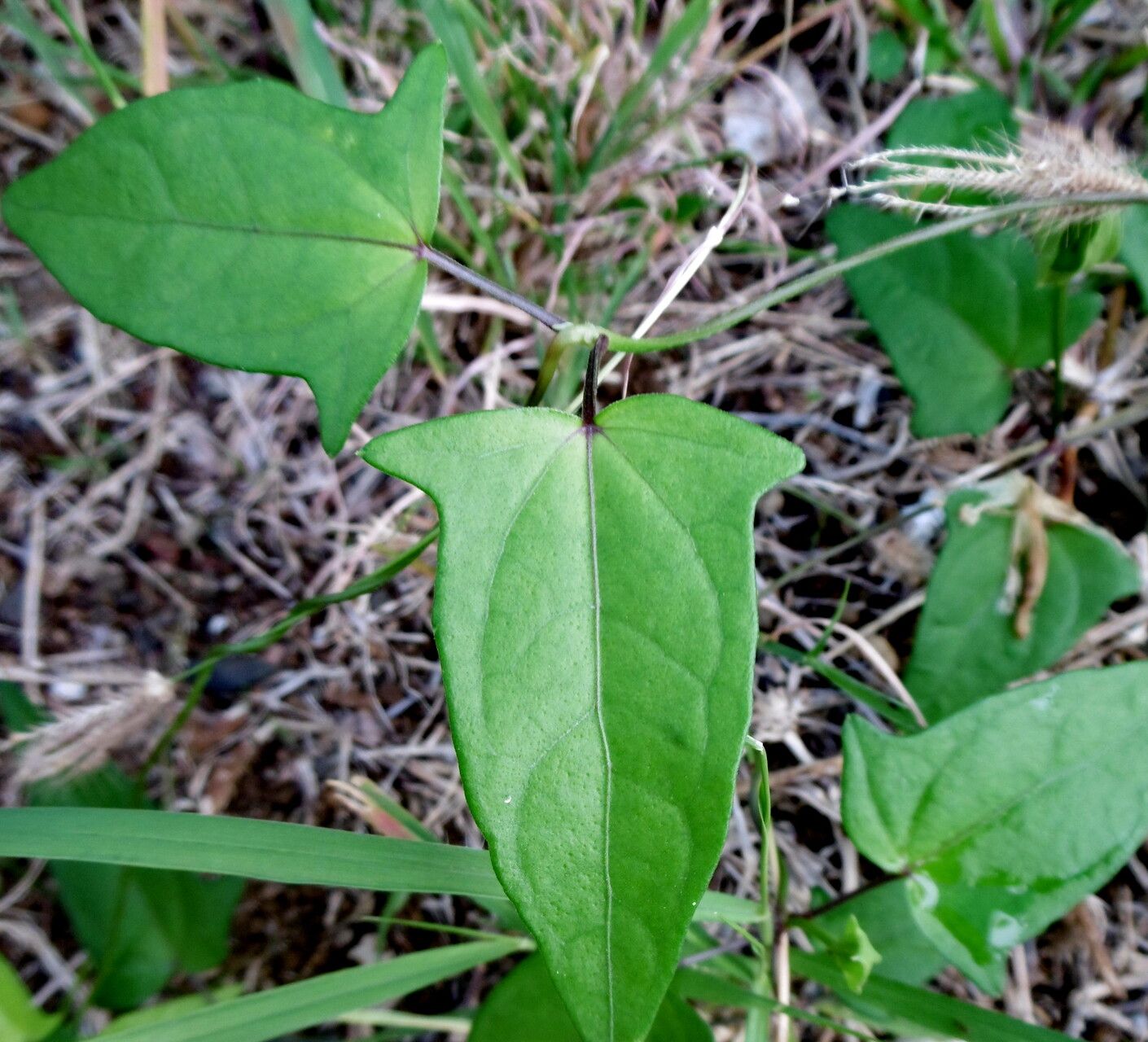
Well hello there, fellow garden enthusiast! It’s lovely to have you join me today. I’m so excited to chat about one of my favorite climbers, Thunbergia laevis, often called Black-Eyed Susan Vine, though its true beauty lies in its vibrant, almost electric blue flowers with that signature dark eye. If you’re looking to fill your garden with cascading color, this is your gal. And the best part? Propagating it is a truly rewarding experience. It’s not one of those fussy plants that makes you pull your hair out; in fact, I’d say Thunbergia laevis is quite beginner-friendly when it comes to making more of these beauties. You’ll get a wonderful sense of accomplishment, trust me.
The Best Time to Start
For the highest success rate, your best bet is to propagate Thunbergia laevis in late spring or early summer. This is when the plant is actively growing and has plenty of energy to dedicate to putting out roots. Aim for when the weather is warm and consistently mild. Avoid trying this too early in the season when things are still cool, or late in the fall when the plant is preparing to slow down.
Supplies You’ll Need
Getting your workspace ready is half the battle, isn’t it? Here’s what I always have on hand:
- Sharp pruning shears or a clean knife: For making those precise cuts.
- Rooting hormone powder or gel: This is your secret weapon to encouraging root development.
- Well-draining potting mix: I often use a blend of equal parts perlite, peat moss, and compost. A seed-starting mix works nicely too.
- Small pots or seedling trays: Clean ones are essential to prevent disease.
- A clear plastic bag or a propagation dome: To create a humid environment for your cuttings.
- Watering can with a fine rose: For gentle watering.
- Labels: Don’t forget to label your creations!
Propagation Methods
Let’s get our hands dirty! There are a couple of really straightforward ways to multiply your Thunbergia laevis.
1. Stem Cuttings (My Go-To!)
This is my favorite method because it’s so reliable.
- Choose your cuttings: Look for healthy, non-flowering stems on your mature plant. You want stems that are semi-woody – not too soft and green, but not hard and old either. Aim for cuttings about 4-6 inches long.
- Make the cut: Using your sharp shears or knife, make a clean cut just below a leaf node. A leaf node is that little bump on the stem where leaves emerge.
- Prepare the cutting: Gently remove the lower leaves, leaving just one or two at the top. This prevents them from rotting when they’re in the soil.
- Dip in rooting hormone: Lightly moisten the cut end of the stem and then dip it into your rooting hormone powder or gel. Tap off any excess.
- Plant your cuttings: Fill your small pots or trays with your prepared potting mix. Make a little hole with your finger and insert the cutting, ensuring the node where you removed the leaves is buried. Gently firm the soil around the stem.
- Water gently: Give them a good drink with your fine-rose watering can.
2. Water Propagation (A Visual Treat!)
This is a fun one to watch.
- Select and cut: Follow the same steps as for stem cuttings to select and cut your stems.
- Prepare for water: Again, remove the lower leaves.
- Place in water: Fill a clean jar or glass with room-temperature water. Place the cuttings in the water, making sure the leaf nodes are submerged, but crucially, keep the remaining leaves out of the water.
- Find a bright spot: Place the jar in a bright location out of direct sunlight.
- Change the water: Change the water every few days to keep it fresh and prevent bacterial growth. You’ll start to see roots forming in just a few weeks. Once the roots are about an inch long, you can pot them up into your well-draining soil mix.
The “Secret Sauce” (Pro Tips)
After years of coaxing plants to grow, I’ve picked up a few tricks.
One thing I always do when water propagating is to ensure absolutely no leaves are touching the water. Submerged leaves are a magnet for rot and will quickly spoil your efforts. It’s a simple step, but it makes a huge difference.
Also, for stem cuttings, some gentle bottom heat can work wonders. If you have a propagation mat or can place your pots on top of something that’s gently warm (like a router, but be careful!), it really encourages the roots to get going. Think of it as giving them a warm little hug to start their journey.
Aftercare & Troubleshooting
So, you’ve got roots! Hooray!
Once you see new growth or a gentle tug on the cutting reveals resistance (meaning roots are forming), it’s time for a little more care. Gradually introduce your new plants to more light, but still avoid harsh, direct sun for their first week or two. Keep the soil consistently moist but not soggy. If you used a plastic bag or dome, start by lifting it for a few hours each day to acclimatize them to less humidity before removing it entirely.
Now, for the troubleshooting… The most common issue you’ll encounter is rot. If your cuttings look mushy, black, or smell funny, it’s usually a sign of too much moisture or a lack of air circulation. Unfortunately, if they’ve rotted, they’re a lost cause, but don’t despair! Just toss them, clean your pot, and try again with fresh cuttings and perhaps a slightly drier mix. Another sign of trouble is wilting that doesn’t improve – this can also indicate root issues or that the cutting simply didn’t take.
A Encouraging Closing
Making new plants is such a magical part of gardening. It connects you more deeply to the rhythm of nature and allows you to share your passion with others. Be patient with your Thunbergia laevis cuttings. Some might take a little longer than others, and that’s perfectly okay. Just keep them in the right conditions, and before you know it, you’ll have a whole new generation of these gorgeous blue beauties to enjoy. Happy propagating!
Resource:
https://identify.plantnet.org/k-world-flora/species/Thunbergia%20laevis%20Wall.%20ex%20Nees/data