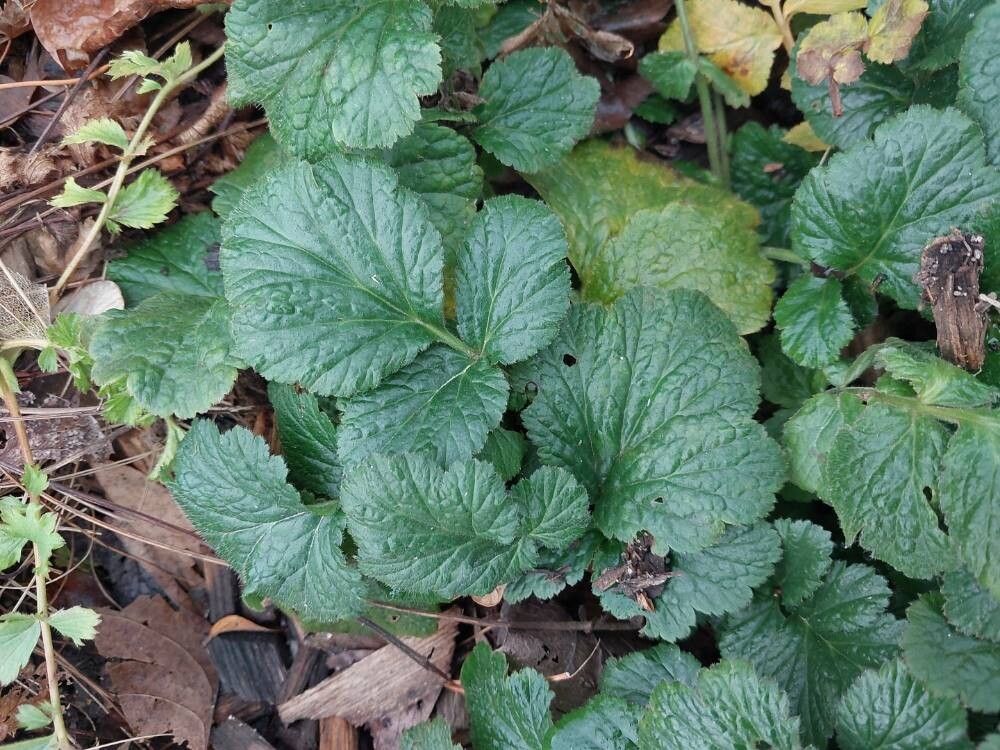
Oh, hello there! Pull up a chair, let’s chat about these gorgeous Geum heterocarpum. I’ve been growing them for years, and honestly, their vibrant blooms and delicate charm never cease to amaze me. If you’re looking to expand your garden or share some beauty with a friend, propagating your own Geum heterocarpum is a truly rewarding endeavor. Now, for beginners, don’t be shy! While it might seem a little daunting at first, Geum heterocarpum is surprisingly forgiving. With a little patience and a few key steps, you’ll be well on your way to a whole new patch of these beauties.
The Best Time to Start
For the absolute highest success rate, I find late spring to early summer is your sweet spot. Think of it as the plant’s peak growth period, full of vigor and readiness for expansion. Starting propagation when the plant is actively growing means your cuttings or divisions will have the best energy reserves to establish themselves.
Supplies You’ll Need
Gathering your tools beforehand makes the whole process so much smoother. Here’s what I always have on hand:
- Sharp, clean pruning shears or a sharp knife: For making clean cuts.
- Sterilized small pots (3-4 inch): Cleanliness is key to preventing disease.
- A good quality potting mix: I like a blend that’s light and well-draining. A mix of equal parts peat moss or coco coir, perlite, and a bit of compost works wonderfully.
- Rooting hormone (optional but recommended): This can give your cuttings a helpful boost.
- A watering can with a fine rose or a spray bottle: Gentle watering is important.
- A plastic bag or propagation dome: This creates a mini-greenhouse effect.
- Labels: To keep track of your new plants!
Propagation Methods
Let’s get our hands dirty! I’ve found two main methods work exceptionally well for Geum heterocarpum.
Division
This is by far the easiest and most successful method for Geum heterocarpum, especially if you have an established clump.
- Gently dig up the entire plant: I usually do this in the spring or fall, after flowering has finished. Loosen the soil around the base and ease the whole plant out, trying to disturb the roots as little as possible.
- Shake off excess soil: This helps you see the root structure clearly.
- Identify growth points: Look for where the plant naturally divides. You’ll see multiple crowns or shoots emerging from the base.
- Carefully separate the divisions: You can often do this by hand, gently pulling the root ball apart. If it’s a bit stubborn, use your clean pruning shears or knife to cut through any tangled roots or thicker rhizomes. Ensure each division has at least one healthy growth point and some roots.
- Replant immediately: Pot up your divisions in their new homes using your prepared potting mix. Water them thoroughly.
Stem Cuttings
This method takes a bit more finesse but is very satisfying.
- Take your cuttings: In late spring or early summer, select a healthy, non-flowering stem. Cut a piece about 4-6 inches long, making your cut just below a leaf node (where a leaf attaches to the stem). This is where roots are most likely to form.
- Remove lower leaves: Strip off the leaves from the bottom half of your cutting. This prevents them from rotting when planted. You can leave 2-3 leaves at the top.
- Apply rooting hormone (optional): Dip the cut end of the stem into your rooting hormone, tapping off any excess.
- Plant the cuttings: Fill your small pots with your prepared potting mix. Make a hole in the center with a pencil or your finger and insert the cutting about an inch deep. Gently firm the soil around it.
- Water gently: Water thoroughly but be careful not to dislodge the cutting.
- Create a humid environment: Cover the pot loosely with a plastic bag, ensuring it doesn’t touch the leaves, or place it under a propagation dome. This traps moisture and humidity, which is crucial for cuttings.
The “Secret Sauce” (Pro Tips)
Here are a couple of tricks I’ve learned over the years that really make a difference:
- Don’t let the stem sit out of water: Once you take cuttings, either get them into soil or a glass of water immediately. A few minutes too long can dehydrate them, drastically reducing your chances.
- Bottom heat is your friend: If you’re struggling with cuttings to root, try placing your pots on a propagator mat or a gently warmed windowsill. This consistent, gentle warmth encourages root development much faster than ambient room temperature alone.
Aftercare & Troubleshooting
Once your divisions are planted or your cuttings have rooted (you should see new growth appearing for cuttings, or feel a gentle tug when you lightly pull on them), you can start transitioning them to less humid conditions. Gradually remove the plastic bag or propagation dome over a week or so. Continue to water consistently, keeping the soil evenly moist but not waterlogged.
The most common issue you’ll encounter is rot. This is almost always due to overwatering or poor drainage. If you see a cutting wilting, turning black, or looking mushy at the base, it’s likely rotting. Unfortunately, there’s usually no saving a rotten cutting. Prevention is key: ensure excellent drainage and don’t water until the top inch of soil feels dry.
A Encouraging Closing
And there you have it! Propagating Geum heterocarpum is a joyous way to fill your garden with these delightful blooms. Remember, gardening is a journey, and sometimes things don’t work out the first time. Be patient with yourself and these lovely plants. Celebrate every success, learn from every setback, and most importantly, enjoy the process of nurturing new life. Happy gardening!
Resource:
https://identify.plantnet.org/k-world-flora/species/Geum%20heterocarpum%20Boiss./data