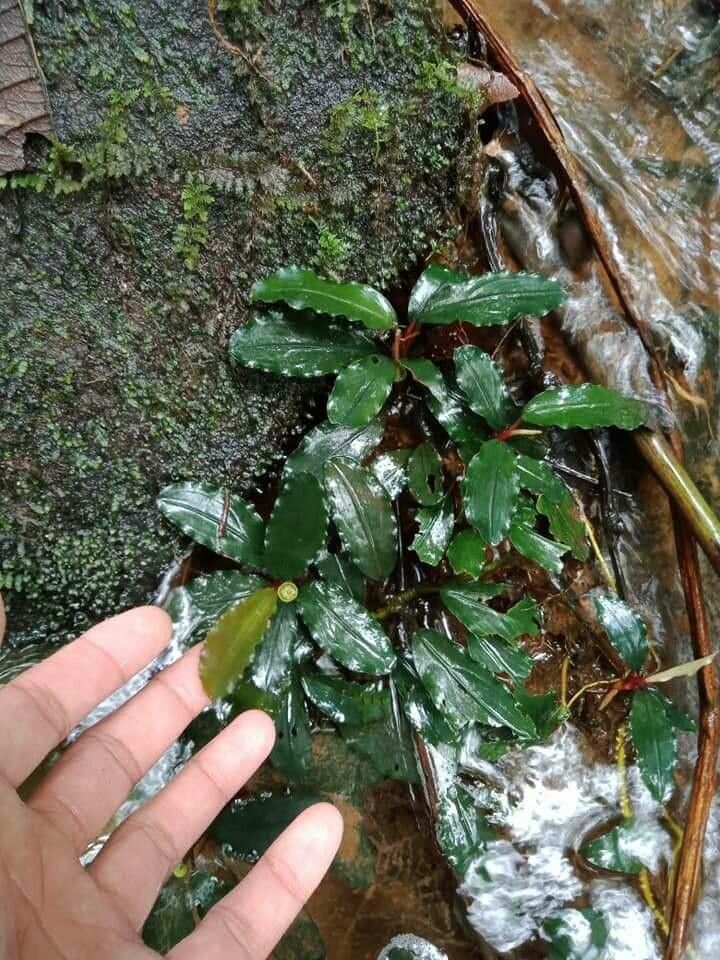
Hello fellow plant lovers! I’m so excited to chat with you today about a truly special aquatic plant: Bucephalandra motleyana. If you’ve ever spotted this gem in an aquarium, you know its subtle beauty. The intricate leaf patterns, the delicate textures – it’s just captivating. And the best part? You can actually grow more of these beauties yourself! Propagating Bucephalandra can feel a bit like unlocking a little green secret, and I promise, it’s a journey well worth taking. While it’s not as straightforward as a pothos cutting, it’s definitely achievable and incredibly rewarding once you see those first roots emerge.
The Best Time to Start
When is the magic time to get your Bucephalandra propagating? I find that the spring and early summer months are absolute gold. This is when the plant is in its prime growth phase, with plenty of energy to put into new endeavors. Look for healthy, vigorous growth on your existing plant. You want to see new leaves unfurling and the rhizome (that thick, horizontal stem) looking plump and firm. Don’t try to propagate from a plant that’s looking stressed or hasn’t been doing well. Give them a good dose of love first!
Supplies You’ll Need
Alright, let’s get down to business with what you’ll need to set yourself up for success:
- Sharp, clean pruning shears or scissors: This is crucial for clean cuts that heal well. I always give mine a quick wipe with rubbing alcohol before I start.
- Rooting hormone (optional but helpful): A little dab can really kickstart root development. You can find these at most garden centers.
- Small, sharp knife or razor blade: For dividing rhizomes, a very sharp, sterile blade is best.
- Clear containers or jars: For water propagation. Glass is lovely because you can see the roots developing.
- Substrate for planting: If you’re planting directly, a fine gravel or specialized aquarium substrate works well.
- Patience! This is the most important tool of all.
Propagation Methods
There are a few ways to encourage new Bucephalandra growth, and I’ve had the best luck with these two:
Stem Cuttings (Rhizome Sections)
This is by far the most common and successful method for me.
- Identify a healthy section: Look for a section of the rhizome that has at least two to three healthy leaves. It should also have a few nodes (the little bumps where leaves emerge) along the rhizome.
- Make the cut: Using your sharp, clean shears, make a clean cut through the rhizome. You want to separate a piece that’s a few inches long.
- Trim excess leaves (optional): If the cutting has a lot of leaves, you can trim off the bottom one or two. This helps the plant focus energy on rooting rather than supporting too much foliage.
- Apply rooting hormone (optional): Dip the cut end into your rooting hormone powder or gel, tapping off any excess.
- Plant it up: You have a couple of options here. You can bury the rhizome partially in your substrate, making sure the nodes are in contact with it, or you can attach it to a piece of driftwood or a rock using fishing line or aquarium-safe glue. Importantly, do not bury the entire rhizome. The leaves need to be exposed to the water.
- Submerge: Place your cutting in your aquarium, ideally in a spot with moderate water flow.
Division
If you have a larger, well-established Bucephalandra, division is a great way to get multiple new plants.
- Gently remove from substrate: Carefully take the entire plant out of its aquarium setup. You might need to gently loosen the substrate around it.
- Inspect the rhizome: Look for natural breaks in the rhizome or areas where it has branched out.
- Separate: Using your sharp, clean knife or razor blade, carefully cut through the rhizome to separate the sections. Each section should have at least a few leaves and some healthy rhizome material.
- Plant or attach: Just like with stem cuttings, you can then plant these divisions in your substrate or attach them to hardscape.
The “Secret Sauce” (Pro Tips)
Here are a couple of things I’ve learned over the years that make a real difference:
- Let the leaves breathe: When planting, ensure that no leaves are buried directly in the substrate. They need access to the water column to photosynthesize properly and can rot if constantly submerged in stagnant material. The rhizome is what needs to be in contact with the substrate or hardscape for rooting.
- Patience with those first cuts: Don’t be tempted to dig up your cuttings every other day to check for roots! Sometimes, it takes weeks to see significant development. Resist the urge and let nature do its work. If you must check, be very gentle.
Aftercare & Troubleshooting
Once you’ve got your cuttings planted or attached, the real care begins. Keep your water parameters stable, just as you would for your mature plants. Good lighting is important, but avoid overkill, especially in the beginning. Give them time to settle in.
The most common sign of a struggling cutting is melting leaves. This is often normal as the plant adjusts to its new situation. However, if the entire rhizome starts to turn mushy or black, that’s a sign of rot. This usually happens if the cutting is too deep in the substrate, has poor water flow around it, or if the water parameters are off. If you see rot, remove the affected part immediately. Sometimes, a cutting will simply fail to root, and that’s okay – it happens to the best of us! Don’t be discouraged.
A Little Encouragement to Finish
Propagating Bucephalandra is a lovely journey. It teaches you to observe, to be patient, and to appreciate the slow, steady magic of plant growth. Don’t be afraid to experiment a little with your method once you’ve got the basics down. Every plant, every tank, is a unique ecosystem. Enjoy the process, celebrate those first tiny white roots, and soon you’ll have a whole collection of these beautiful underwater jewels! Happy growing!
Resource:
https://identify.plantnet.org/k-world-flora/species/Bucephalandra%20motleyana%20Schott/data