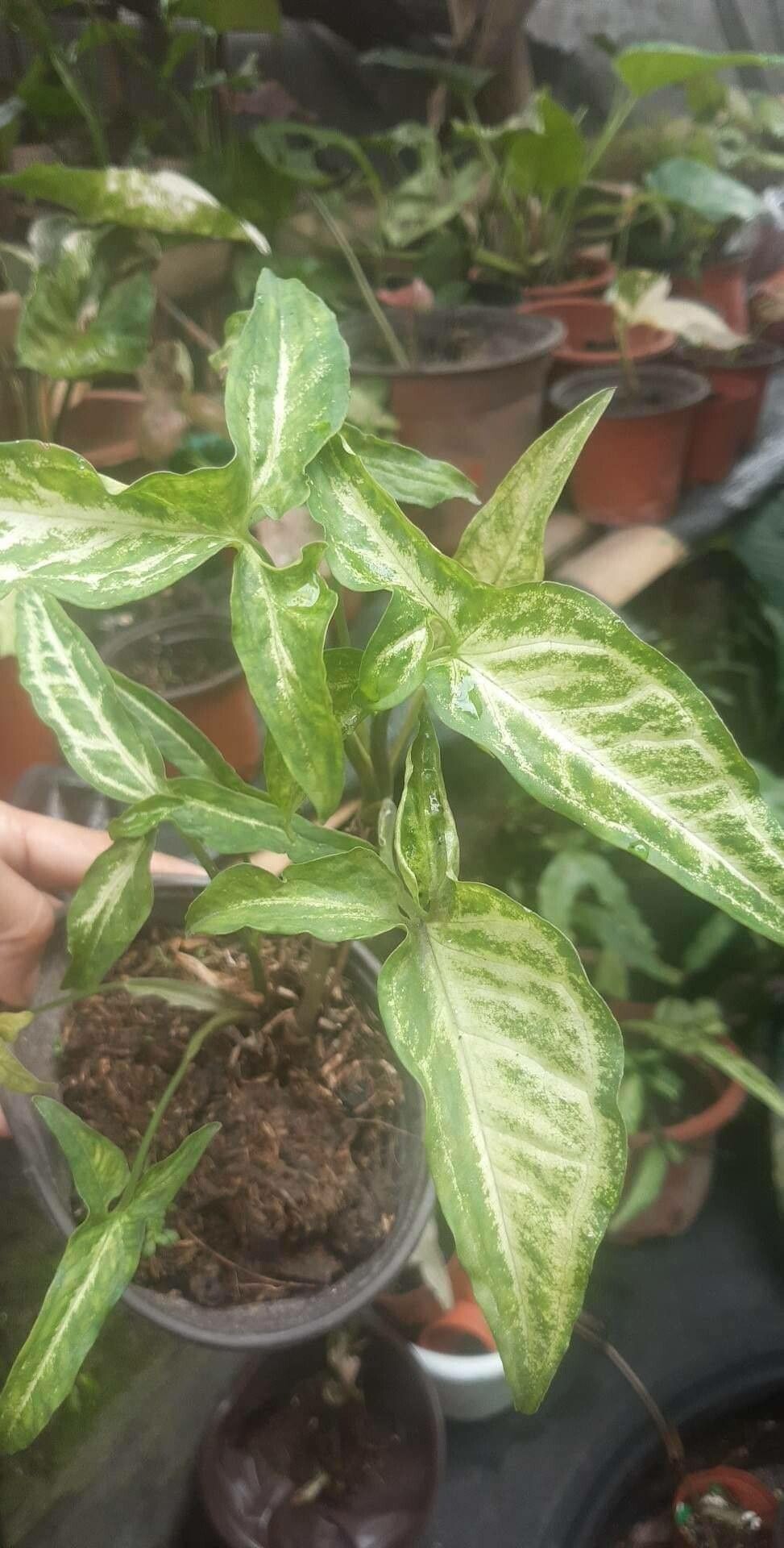
Oh, hello there! Grab a mug of your favorite brew, and let’s chat about propagating the charming Syngonium angustatum, sometimes called arrowhead plant. I’ve spent years coaxing new life from my green friends, and Syngoniums are truly some of the most delightful and rewarding to multiply. Their lush, often variegated foliage brings such a vibrant touch to any corner, and there’s a special joy in watching a tiny cutting transform into a thriving plant all your own. The best part? If you’re just dipping your toes into the propagation pool, Syngoniums are wonderfully forgiving and quite easy to get started with. You’ll be surrounded by new green babies in no time!
The Best Time to Start
When it comes to getting the most bang for your buck with Syngonium angustatum, spring and early summer are your golden windows. This is when the plant is actively growing, and its natural energy means cuttings are just bursting with the drive to form new roots. You can certainly propagate outside of these times, but you might find it takes a little longer and requires a bit more TLC. So, aim for when the days are getting longer and warmer.
Supplies You’ll Need
Before we get our hands dirty, let’s gather our tools. You won’t need anything too fancy for our Syngonium propagation:
- Sharp Pruning Shears or Scissors: Clean, sharp tools are crucial to make a clean cut and prevent disease.
- Rooting Hormone (Optional but Recommended): A powder or gel can give your cuttings a little boost.
- Small Pots or Seed Starting Trays: For planting your rooted cuttings.
- Well-Draining Potting Mix: A good blend of potting soil, perlite, and maybe a bit of coco coir works wonders. Or, a store-bought succulent/cactus mix is a good start.
- Clear Plastic Bags or Domes: To create a humid environment for your cuttings.
- Water: For the water propagation method.
- A Sunny Spot (indirect light): Where your new plant babies can thrive.
Propagation Methods
Syngonium angustatum is a champion of propagation, and here are a couple of foolproof ways to go about it:
1. Stem Cuttings: My Go-To Method
This is my personal favorite for Syngoniums. It’s straightforward and yields great results.
- First, inspect your happy Syngonium to find a healthy stem. You’re looking for a piece that has at least two to three nodes. A node is that little bump on the stem where a leaf grows from.
- Using your clean shears, make a clean cut just below a node. This is where the magic will happen! If your cutting has a lot of large leaves, you can trim them back by about half. This reduces water loss from the leaves while the cutting is trying to root.
- Now, you have a few options for rooting. You can either dip the cut end into rooting hormone, if you’re using it, tapping off any excess.
- Then, plant the cutting directly into your prepared potting mix. Make sure at least one node is buried in the soil. Gently firm the soil around the stem.
- Alternatively, you can place the cutting in a small jar of clean water, ensuring that at least one node is submerged. Keep the water fresh by changing it every few days.
2. Water Propagation: The See-Through Success
This method is fantastic because you can literally watch the roots develop!
- Similar to stem cuttings, select a healthy stem and make a cut just below a node.
- Remove any leaves that would sit below the waterline in your jar. Again, you can trim larger leaves if you like.
- Place the cutting in a clear glass or jar filled with room-temperature water. Make sure a node is submerged, as this is where the roots will emerge.
- Put your jar in a spot with bright, indirect light.
- Change the water every 2-3 days to keep it fresh and prevent bacterial growth. You’ll start to see tiny white roots emerging from the nodes within a few weeks!
The “Secret Sauce” (Pro Tips)
I’ve learned a few little tricks over the years that really seem to help things along for these particular plants:
- Don’t Drown Your Leaves: If you’re water propagating, make sure no leaves are sitting in the water. They’ll rot quickly and can take your whole cutting down with them. The water should only touch the stem and the nodes.
- Humidity is Your Friend: Syngoniums love a good humid environment. After planting your cuttings in soil, I like to tent a clear plastic bag over the pot or place a humidity dome on top. This creates a mini-greenhouse, keeping the moisture in and encouraging root development. Just be sure to open it for a little while each day to let in fresh air and prevent mold.
- Bottom Heat is a Game-Changer (Sometimes): If you’re propagating in cooler months or a slightly chilly room, a seedling heat mat can be incredibly beneficial. It provides gentle warmth to the roots, which is a huge signal for them to start growing. I’ve found it really speeds up the rooting process for many tropical plants.
Aftercare & Troubleshooting
Once you see those lovely roots forming – hooray! If you’ve gone the water route and your roots are about an inch long, it’s time to transition them to soil. Gently pot your rooted cutting in well-draining potting mix, just as you would with a stem cutting. Water it in well.
Keep your newly potted cutting in that bright, indirect light and continue with the humidity tent for another week or so until it looks settled. Water whenever the top inch of soil feels dry.
Now, what if things don’t go quite as planned? The most common culprit is rot. If your cutting looks mushy or dark and slimy, it’s likely rotted. This is usually due to too much moisture and not enough airflow, or using dirty tools. Don’t despair! You can often take a fresh cutting from the mother plant and try again, being extra careful about cleanliness and humidity. Sometimes, the cuttings just aren’t viable, and that’s part of the gardening process.
A Little Patience, A Lot of Green
Propagating your Syngonium angustatum is a wonderful journey. Be patient, observe your little cuttings, and enjoy the miracle of new life unfolding. Each successful propagation is a little victory, and soon you’ll have a whole collection of these beautiful plants to enjoy and share. Happy growing!
Resource:
https://identify.plantnet.org/k-world-flora/species/Syngonium%20angustatum%20Schott/data