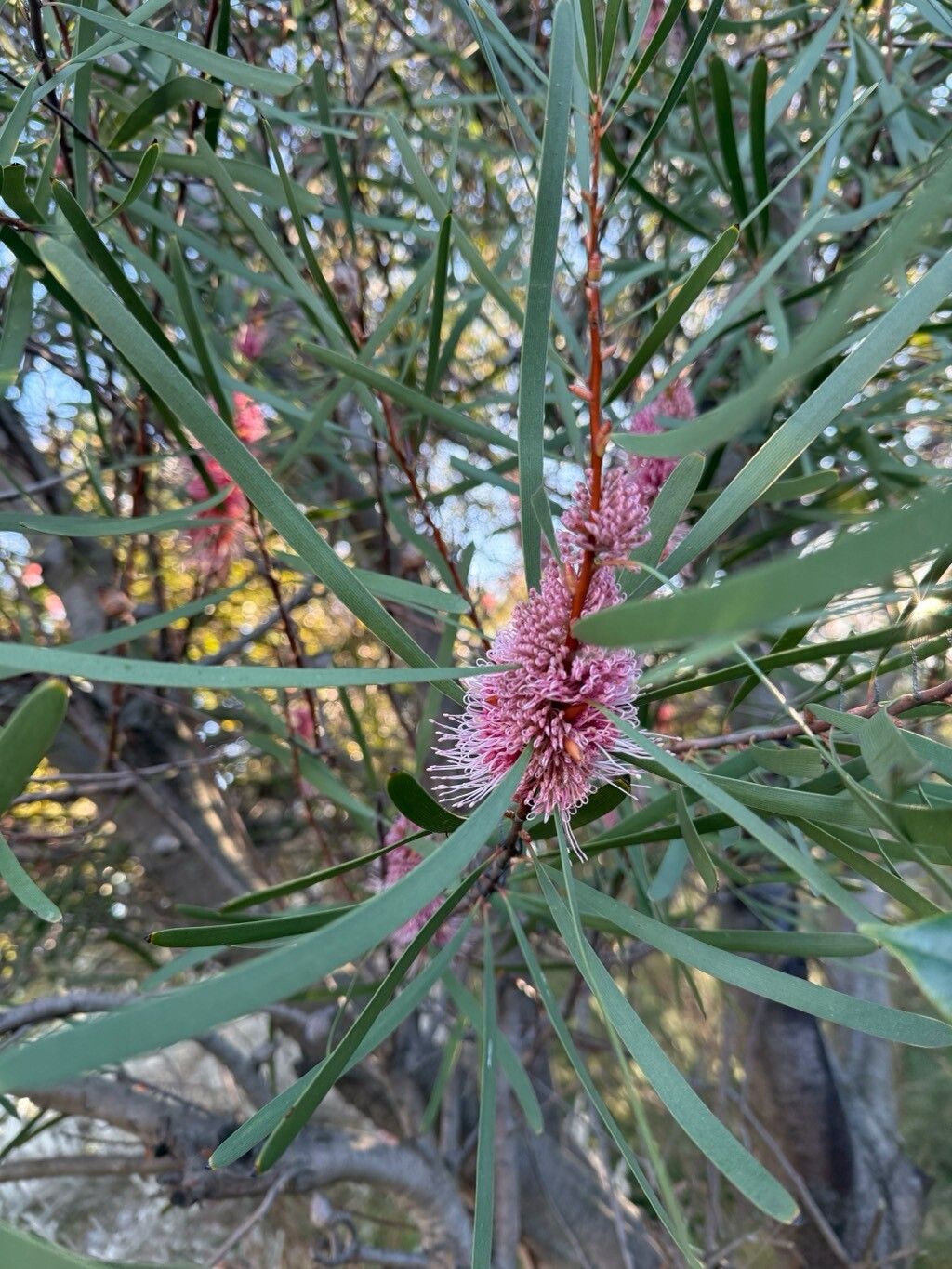
Hello, fellow garden enthusiasts! Today, we’re diving into the wonderful world of propagating Hakea multilineata, or as some fondly call it, the “Narrow-leaved Hakea.” I’ve had the absolute joy of growing these beauties for two decades now, and honestly, their delicate pink and white flowers, cascading like sweet little fireworks, are just breathtaking. There’s something incredibly satisfying about watching a tiny cutting or seed transform into a thriving plant you nurtured yourself. If you’re wondering if this is a tricky one for beginners – I’d say it’s moderately easy, a delightful challenge that will have you feeling like a true plant wizard with a little patience.
The Best Time to Start
For the highest success rate with Hakea multilineata, I always reach for my secateurs in late spring to early summer. This is when the plant is actively growing, and the stems have had a chance to mature a bit but are still somewhat soft and pliable. Avoid taking cuttings from flowering or fruiting stems if possible. If you’re considering seeds, harvesting them once the woody pods have dried out and start to split open is your best bet, usually in late summer or autumn.
Supplies You’ll Need
Before we get our hands dirty, let’s gather our arsenal for a successful propagation session:
- Clean, sharp pruning shears or a sharp knife: Crucial for making clean cuts that heal well.
- Well-draining potting mix: A mix of coarse sand, perlite, and peat moss is ideal. I often use a specific native plant mix that’s formulated for good aeration.
- Rooting hormone powder or gel: This is a lifesaver, especially for cuttings, as it significantly boosts root development.
- Small pots or seedling trays: Clean ones, please!
- Plastic bags or a propagation dome: To create a humid environment for cuttings.
- Labels: Don’t skip this – you’ll thank me later when you have multiple projects going!
- Spray bottle: For misting.
- For seed propagation: A heat mat can be very beneficial.
Propagation Methods
Let’s get down to business! Here are the ways I love to propagate Hakea multilineata:
1. Stem Cuttings (My Go-To!):
This is my preferred method, leading to a genetically identical plant.
- Select your stem: Look for healthy, relatively new growth that’s about 10-15 cm long. Pinch off any flowers or developing seed pods.
- Make the cut: Using your clean, sharp secateurs, make a clean cut just below a leaf node (where a leaf attaches to the stem).
- Prepare the cutting: Gently remove the lower leaves, leaving just a few at the top. This prevents them from rotting in the soil.
- Dip in rooting hormone: Lightly dip the cut end into your rooting hormone powder or gel, tapping off any excess.
- Insert into soil: Make a small hole in your prepared potting mix with a pencil or your finger. Gently insert the cutting, ensuring the nodes where the leaves were removed are covered. Firm the soil gently around the stem.
- Water gently: Water thoroughly but gently. You don’t want to dislodge the cutting.
- Create humidity: Cover the pot with a plastic bag or a propagation dome. Make sure the leaves aren’t touching the plastic. An old clear plastic bottle with the bottom cut off works wonders!
- Place in bright, indirect light: Keep them somewhere warm and bright but out of direct sun.
2. Seed Propagation (For the Patient Gardener):
- Harvesting seeds: Let those woody pods dry fully on the plant, then carefully extract the small, black seeds.
- Sowing: Sow the seeds thinly on the surface of a well-draining seed-starting mix or the same gritty mix we use for cuttings. Lightly cover them with a fine layer of grit or sand.
- Watering: Water gently and keep the surface consistently moist but not waterlogged.
- Warmth is key: This is where a heat mat comes in handy. Hakea seeds often germinate best with bottom heat, around 20-25°C.
- Patience! Germination can be erratic, taking anywhere from two weeks to several months.
The “Secret Sauce” (Pro Tips)
Here are a couple of tricks I’ve learned over the years that give my propagation efforts a little extra boost:
- Don’t let the leaves touch the water: This is vital for cuttings. If the lower leaves are submerged, they will rot and invite fungal diseases, potentially killing your cutting before it even has a chance to root.
- Bottom heat is your friend, especially for seeds: While cuttings can often manage with ambient warmth, Hakea seeds often need that consistent gentle heat from below to encourage them to break dormancy. It makes a significant difference in germination rates.
- Use diluted seaweed extract: Once your cuttings have started to root (you’ll see new growth), a very dilute solution of liquid seaweed extract can provide a gentle feeding stimulus and encourage robust root development. Use it sparingly!
Aftercare & Troubleshooting
Once you see signs of new growth on your cuttings, or your seeds have germinated, it’s time for a little extra care.
- Gradually acclimate: Slowly remove the plastic bag or dome over a week or two. This helps the new plant adjust to normal humidity.
- Watering: Water when the top centimetre of soil feels dry.
- Potting up: When the seedlings or rooted cuttings are large enough to handle, gently pot them up into individual, slightly larger pots with a good, well-draining mix.
The most common culprit for failure is rot. This usually happens when the soil is kept too wet, or there’s poor air circulation. If you see your cutting wilting and turning black and mushy, that’s a clear sign of rot. Don’t despair! Pull it out, discard it, and try again with a fresh cutting, ensuring better drainage and humidity control.
A Little Encouragement
Propagating plants is a journey, and like any good garden adventure, it requires a sprinkle of patience and a whole lot of love. Don’t be discouraged if your first attempt isn’t a runaway success. Each try is a learning experience. Take a deep breath, enjoy the process of nurturing these little bits of life, and you’ll soon be rewarded with your own thriving Hakea multilineata. Happy gardening!
Resource:
https://identify.plantnet.org/k-world-flora/species/Hakea%20multilineata%20Meisn./data