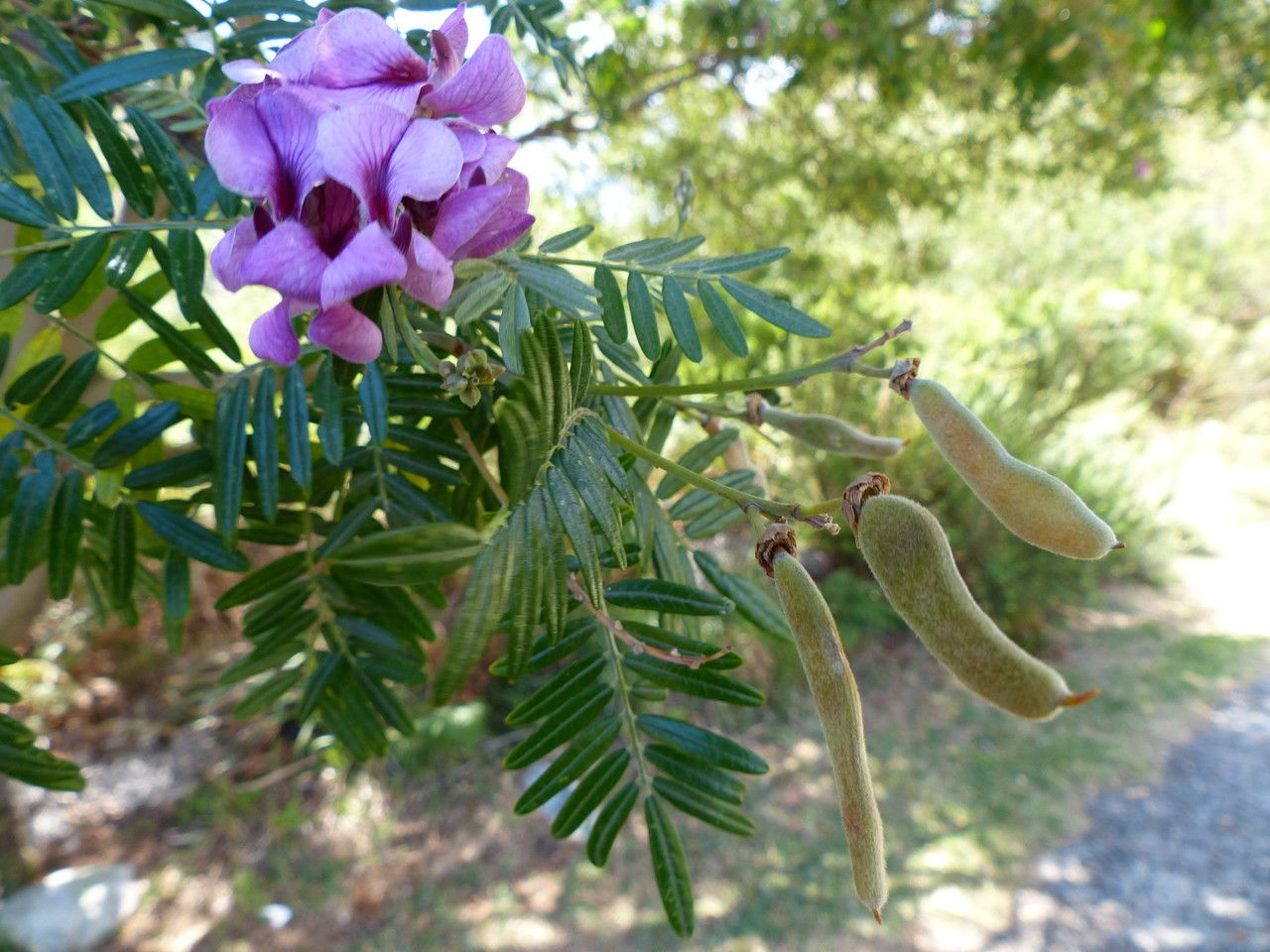
Oh, Virgilia oroboides! What a joy to talk about this tree. I just love seeing those delicate, pea-like flowers bloom, and the soft, feathery foliage is a real treat in any garden. If you’re looking to bring a bit more of that elegant charm into your space, propagating Virgilia is a wonderfully rewarding endeavor. It’s not the absolute easiest plant for a complete beginner, but with a little patience and these tips, I think you’ll find it quite manageable. Think of it as a gentle introduction to working with slightly more rewarding woody plants.
The Best Time to Start
For the best chance of success with Virgilia oroboides, I always recommend taking cuttings during the active growing season. This typically means late spring into early summer. You want to aim for softwood or semi-hardwood cuttings. This means the stem is still a bit flexible but has started to mature and harden off slightly. Trying to propagate when the plant is dormant or stressed just doesn’t give those new cuttings the energy they need to establish roots.
Supplies You’ll Need
Gathering your tools beforehand makes the whole process smoother. Here’s what I usually have on hand:
- Sharp pruning shears or a clean knife: For making clean cuts.
- Rooting hormone powder or gel: This is really helpful for woody cuttings.
- Well-draining potting mix: A 50/50 blend of perlite and peat moss or coco coir works beautifully. You can also add a bit of coarse sand.
- Small pots or trays: Clean ones are crucial to prevent disease.
- A plastic bag or propagator lid: To create a humid environment.
- Watering can with a fine rose: For gentle watering.
- Optional: A heating mat: This can speed up root development considerably.
Propagation Methods
While Virgilia can sometimes be grown from seed, I find taking cuttings to be the most reliable and consistent method for home gardeners.
Stem Cuttings
This is my go-to method for Virgilia. It’s where you have the best control.
- Identify the right stems: Look for healthy, vigorous shoots on your parent plant. You want stems that are about pencil thickness and have started to slightly firm up.
- Take your cuttings: Using your sharp shears or knife, take cuttings that are 6-8 inches long. Make your cut just below a leaf node (where a leaf attaches to the stem). This is where the magic happens for root formation.
- Prepare the cuttings: Gently remove the leaves from the bottom half of the cutting. You want to expose the nodes so they can form roots. If your leaves are quite large, you can even cut them in half to reduce water loss.
- Dip in rooting hormone: Dip the cut end of the stem into your rooting hormone powder or gel. Tap off any excess.
- Pot them up: Fill your clean pots with your prepared rooting medium. Make a hole with a pencil or your finger and gently insert the cutting. Firm the soil around the base of the cutting to ensure good contact.
- Water gently: Water thoroughly but gently. You don’t want to dislodge the cuttings.
- Create humidity: Cover the pots with a plastic bag or a propagator lid. This traps moisture and prevents the cuttings from drying out. Make sure the leaves aren’t touching the plastic if possible, as this can encourage rot.
- Find a warm spot: Place the pots in a bright location, but out of direct, hot sunlight.
The “Secret Sauce” (Pro Tips)
Here are a couple of things I’ve learned over the years that make a real difference:
- Bottom Heat is Your Friend: If you can, placing your pots on a heating mat set to around 70-75°F (21-24°C) will dramatically speed up root development. Woody cuttings really appreciate that gentle warmth from below.
- Don’t Disturb Too Soon: Resist the urge to tug on your cuttings to see if they have roots! Wait at least 6-8 weeks. You’ll usually see new leaf growth as a sign that roots have formed. If you’re unsure, you can gently try to lift one – if there’s resistance, they’re rooting.
- Scrape for Success (Carefully!): For slightly tougher, semi-hardwood cuttings, you can try a very gentle “scrape”. Using the tip of your knife, lightly scrape a thin sliver of bark off one side of the bottom inch of the stem. This exposes the cambium layer, which can encourage rooting. Be very careful not to cut too deep!
Aftercare & Troubleshooting
Once your cuttings have developed a good root system and are showing signs of growth (new leaves are the surest sign!), it’s time to acclimate them. Gradually remove the plastic covering over a week or so to get them used to drier air. Continue to keep them in bright, indirect light and water them as the top inch of soil starts to dry out.
The biggest challenge you’ll likely face is rot. If a cutting turns black and mushy, it’s usually a sign of too much moisture and not enough air circulation. If you see this, carefully remove the affected cutting to prevent it from spreading. Good drainage and not overwatering are key to avoiding this. Sometimes, cuttings just don’t take, and that’s okay! Don’t take it personally. It’s part of the gardening journey.
A Encouraging Closing
Growing new plants from cuttings is such a satisfying way to connect with nature and gain more of the plants you love. Be patient with your little Virgilia cuttings; they’re working hard underground. Enjoy the process, learn from each attempt, and soon you’ll have your own beautiful Virgilia trees to share. Happy propagating!
Resource: