Hello fellow plant enthusiasts!
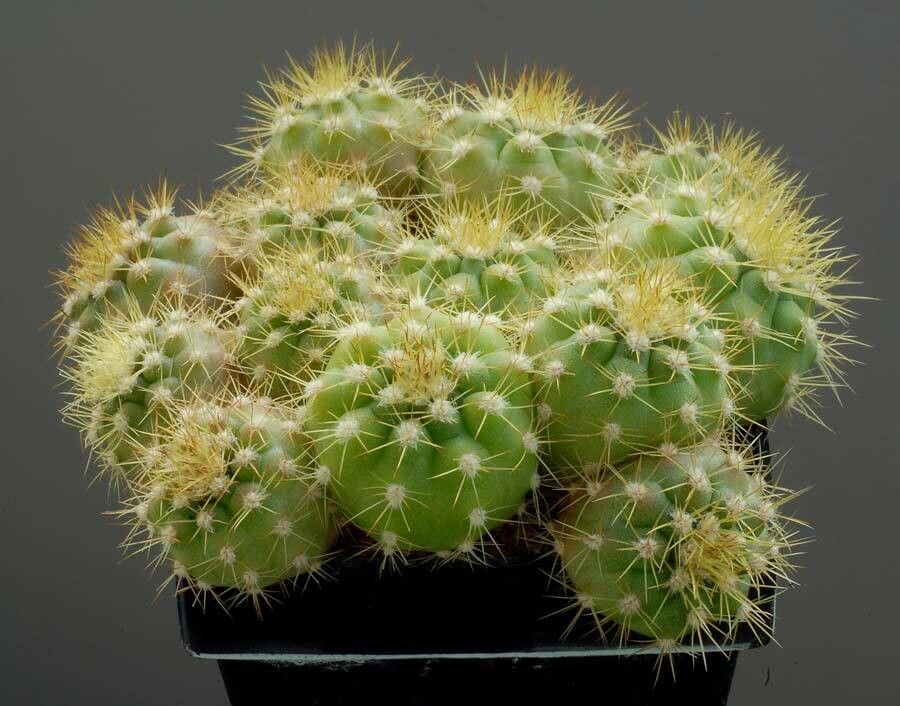
There’s something truly special about growing cacti. Their unique shapes, vibrant colors, and the sheer resilience they possess never cease to amaze me. Today, I want to talk about a particular gem: Gymnocalycium chacoense. This little cactus, with its textured ribs and often striking flower buds, is a real charmer that brings a touch of the desert to any windowsill. Propagating it isn’t just about getting more plants; it’s about connecting with nature, learning its rhythms, and experiencing the quiet thrill of bringing new life into existence. For many, Gymnocalycium chacoense is a wonderfully rewarding plant to propagate, even if you’re just starting out.
The Best Time to Start
The sweet spot for propagating most succulents, including our friend Gymnocalycium chacoense, is during its active growing season. For us in the Northern Hemisphere, this typically means late spring through early summer. You’ll know it’s time when the plant is showing signs of robust growth – perhaps new buds are forming or the plant itself feels firm and plump. Starting during this period gives your new cuttings the best chance to root and establish themselves before cooler weather sets in.
Supplies You’ll Need
Gathering your tools before you begin makes the whole process smoother. Here’s what I’ve found most helpful:
- Well-draining potting mix: A cactus-specific blend is ideal. I often mix my own with equal parts coarse sand, perlite, and a bit of peat or coco coir.
- Sharp, clean pruning shears or a sharp knife: We want clean cuts to prevent disease.
- Rooting hormone (optional but recommended): This can give your cuttings a significant boost.
- Clean pots or trays: Small nursery pots or shallow trays work well. Make sure they have drainage holes!
- A spray bottle: For gentle watering.
- A small brush or soft cloth: For cleaning off any potting mix.
- A small trowel or spoon: For scooping soil.
Propagation Methods
There are a couple of reliable ways to create new Gymnocalycium chacoense plants. I’ll walk you through them.
Stem Cuttings (or Offset Cuttings)
Many Gymnocalycium species produce little offsets, or “pups,” at their base. These are essentially mini-versions of the parent plant and are the easiest to propagate.
- The Clean Cut: Gently remove the offsets from the parent plant. If they’re still attached, use your sterilized pruning shears or knife to make a clean cut as close to the parent as possible. Try to minimize damage to both the parent and the offset. If the offset already has roots, that’s a bonus!
- The Callusing Stage: This is crucial. Place the newly cut offset in a warm, dry, and well-ventilated spot for at least 3-5 days, or even longer if the cutting is large. You want the cut end to dry out and form a callus. This prevents rot when you plant it.
- Planting Time: Once callused, you can plant your offset. Fill a small pot with your well-draining cactus mix. Make a little hole in the center and gently press the callused end of the offset into the soil. You don’t need to bury it deeply, just enough for it to stand upright.
- Initial Watering: Do not water immediately. Wait for about a week after planting. Then, water very lightly, just enough to moisten the soil. I prefer using a spray bottle for this.
Division (For Clump-Forming Plants)
If your Gymnocalycium is forming a nice clump of offsets, division can be a great way to get multiple new plants.
- Gently Excavate: Carefully remove the entire plant from its pot. Gently brush away excess soil from the root ball to clearly see where the offsets are joined.
- The Separation: Using your hands or a clean knife, carefully separate the offsets, ensuring each one has some roots attached. If they don’t have roots, treat them as stem cuttings and allow them to callus.
- Plant as Above: Plant each rooted division in its own pot with well-draining cactus mix. Again, wait a few days to a week before the first light watering.
The “Secret Sauce” (Pro Tips)
Want to give your cuttings an extra edge? Here are a few things I’ve learned over the years:
- Never let leaves touch the water in water propagation (though less common for Gymnocalycium, if you see it mentioned, avoid it): For cacti, and especially with Gymnocalycium, we avoid water propagation as they are very prone to rot in standing water. Stick to soil!
- Use bottom heat for faster roots: If you have a heated propagation mat, placing your pots on it can significantly speed up root formation, especially if temperatures are a bit cooler. It mimics the warmth of the desert floor.
- Don’t overwater, ever! This is the cardinal sin with succulents. It’s far better to underwater than overwater. New cuttings are especially vulnerable. Let the soil dry out almost completely between waterings.
Aftercare & Troubleshooting
Once your cuttings have rooted (you can gently tug and feel them stay put, or see new growth), you can transition them to more regular watering. Still, be cautious!
- Watering: Water only when the soil is completely dry. During their active growing season, this might be every couple of weeks. In winter, water even less, perhaps once a month or not at all if your environment is cool and dry. Always water from the bottom if possible, letting the pot absorb moisture.
- Light: Place your new plants in a bright location with indirect sunlight. Direct, scorching sun can be too much for tender new growth. As they mature, you can gradually introduce them to more direct light.
- Signs of Trouble: The most common issue is rot. If the cutting becomes mushy, discolored (often black or brown at the base), or just collapses, it’s likely rotted. This is usually due to overwatering or insufficient callusing. Sadly, rotted cuttings are usually unsalvageable. Another sign is shriveling, which can be underwatering, but sometimes a weakened cutting just loses its fight.
A Little Patience Goes a Long Way
There you have it! Propagating Gymnocalycium chacoense is a wonderfully achievable goal. Remember to be patient; nature moves at its own pace. Enjoy the process of nurturing these little guys, and before you know it, you’ll have a whole collection of these delightful desert dwellers. Happy propagating!
Resource:
https://identify.plantnet.org/k-world-flora/species/Gymnocalycium%20chacoense%20Amerh./data