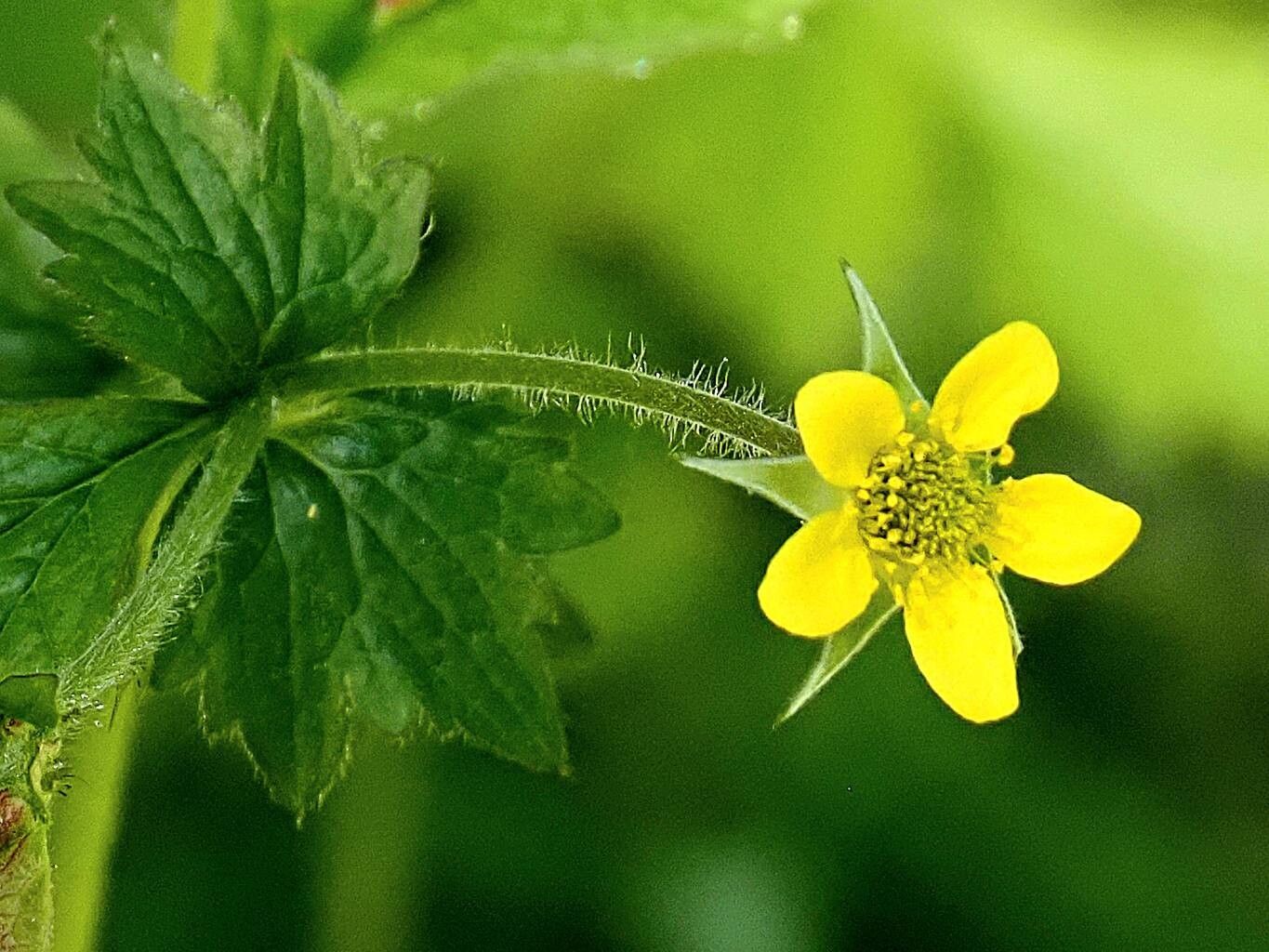
Hello, fellow garden enthusiasts! Today, I want to chat about a charming little plant that often gets overlooked but brings so much cheer to any garden: Geum urbanum, or what many of us know as Wood Avens. These tough little guys offer delicate, pretty flowers and are surprisingly resilient. If you’ve ever admired a patch of Wood Avens and wished you had more, you’re in luck! Propagating them is incredibly rewarding, and I’m happy to say, it’s a fantastic project for beginners. You’ll be amazed at how easy it is to fill your garden with these cheerful blooms.
The Best Time to Start
For Geum urbanum, timing is key to giving your new plants the best start. I find the early spring, as the plant is just waking up and before it puts all its energy into flowering, is the absolute best time. You can also have success with late summer or early autumn after the main flowering push has died down a bit. Just aim for a period when the weather is mild and not too hot or too cold.
Supplies You’ll Need
Gathering your supplies beforehand makes the whole process smoother. Here’s a little list to get you prepped:
- Sharp pruning shears or a clean knife: For making neat cuts.
- Small pots or trays: With drainage holes, of course!
- A good quality potting mix: I like a mix that’s well-draining, perhaps with some added perlite or grit. A standard seed-starting mix works wonderfully too.
- Rooting hormone (optional but helpful): This little powder can give cuttings an extra boost.
- Watering can with a fine rose attachment: To avoid disturbing delicate cuttings.
- Plastic bags or a propagator: To create a humid environment.
Propagation Methods
Geum urbanum is quite obliging and can be propagated in a couple of ways. I primarily use division, but stem cuttings have also proven quite reliable for me.
Method 1: Division (My Go-To)
This is probably the easiest way to get more Wood Avens, and it’s done while the plant is dormant or just emerging from dormancy.
- Gently excavate: Dig around the base of your established Geum plant with a trowel or spade. You don’t need to pull the whole thing out, just lift it enough to work with.
- Separate the clumps: You’ll notice the plant naturally forms clumps or has multiple shoots coming from a central root system. Carefully pull apart these clumps into smaller sections. If they’re a bit stubborn, you can use your clean knife or trowel to make a clean cut through the roots.
- Each division needs roots and shoots: Make sure each piece you separate has at least a couple of shoots and a decent portion of root attached.
- Replant immediately: Find a new spot in your garden that’s suitable for Geums (they’re pretty adaptable, but appreciate good drainage) and replant your divisions. Water them in well.
Method 2: Stem Cuttings (A Bit More Patience)
This method is great if you’re looking to increase your stock significantly or if you don’t have an established plant to divide.
- Take your cuttings: In the spring or early summer, look for young, non-flowering shoots, about 3-4 inches long. Using your sharp shears, make a clean cut just below a leaf node (where a leaf grows from the stem).
- Prepare the cuttings: Gently remove the lower leaves from the cutting, leaving just a few at the top. This prevents them from rotting in the soil.
- Apply rooting hormone (optional): Dip the cut end of the stem into rooting hormone, tapping off any excess.
- Pot them up: Fill your small pots with your prepared potting mix. Make a hole in the center with your finger or a dibber.
- Insert and firm: Place the cut end of the stem into the hole and gently firm the soil around it to ensure good contact. Don’t plant them too deep; just enough so they stand upright.
- Create humidity: Water them gently. Then, cover the pot with a plastic bag or place it in a propagator. This keeps the moisture levels high, which is crucial for cuttings. You can prop the bag up with a few sticks so it doesn’t touch the leaves.
The “Secret Sauce” (Pro Tips)
Here are a couple of my little secrets for getting those stubborn cuttings to root:
- Bottom heat is your friend: If you’re doing stem cuttings and have the setup, placing your pots on a heated propagator mat can speed up the rooting process considerably. It mimics the warmth of spring soil and encourages root development. It’s not strictly necessary for Geums, but it’s a real game-changer.
- Don’t overcrowd your cuttings: When you’re placing stem cuttings into a pot, give them a little personal space. Overcrowding can lead to poor air circulation and fungal issues. Better to use more pots with fewer cuttings than cram too many into one.
Aftercare & Troubleshooting
Once your divisions are planted or your cuttings have rooted, it’s time for gentle care.
- Watering: Keep the soil consistently moist but not waterlogged. For new divisions and cuttings, this means regular watering, especially when it’s dry. As they establish, you can ease up a bit.
- Light: Place your potted cuttings in a bright spot out of direct, harsh sunlight. Once divisions are in their permanent spot, they are usually quite happy with what the garden offers.
- Patience is key: It can take several weeks for cuttings to show signs of rooting. You’ll know they’re rooting when you see new leaf growth or can gently tug on the cutting and feel some resistance.
What if things go wrong? The most common issue with cuttings is rot. If you see your cuttings turning black and mushy, it’s usually a sign of too much moisture and/or not enough air circulation. Unfortunately, rotted cuttings are a lost cause, but don’t be discouraged! Just start again with fresh material and perhaps adjust your watering or ventilation.
Happy Gardening!
See? Propagating Geum urbanum is really quite straightforward. Don’t be afraid to experiment and learn from each attempt. Gardening is all about observation and a little bit of trial and error. Enjoy the satisfaction of creating new life for your garden, and soon you’ll have more of those lovely Wood Avens to brighten your days! Happy planting!
Resource:
https://identify.plantnet.org/k-world-flora/species/Geum%20urbanum%20L./data