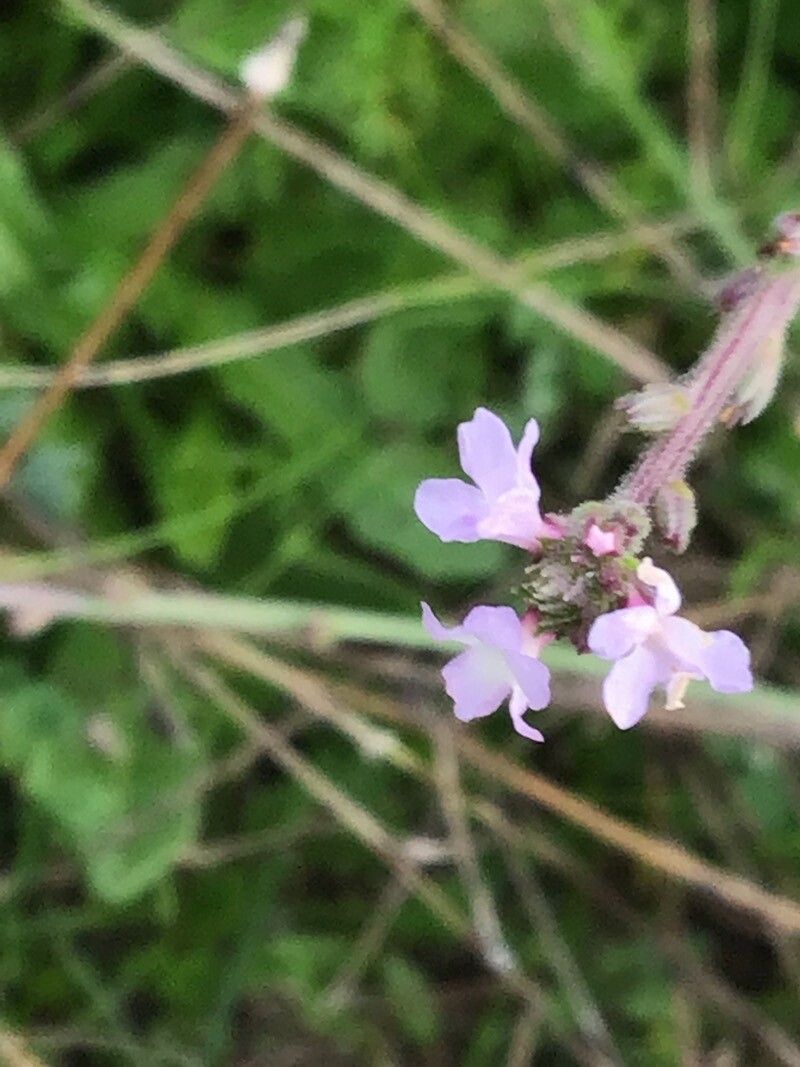
Hello fellow garden lovers! I’m so excited to talk to you today about a plant that has captured my heart: Verbena supina. This little gem is an absolute joy. Its trailing habit and vibrant blooms tumble over edges and fill in gaps beautifully, adding a touch of wild elegance to any garden pot or border. And the best part? Propagating it is incredibly rewarding, and dare I say, quite doable for beginners. It’s a fantastic way to multiply your favorite varieties and share the joy with friends.
The Best Time to Start
For the highest success rate with Verbena supina, I always recommend starting in the late spring or early summer. This is when the plant is actively growing and has plenty of energy to put into developing new roots. You’re looking for healthy, non-flowering stems – bright, green growth is your cue.
Supplies You’ll Need
Here’s what you’ll want to have on hand:
- Sharp pruning shears or clean scissors: For making clean cuts.
- A well-draining potting mix: I find a blend of peat moss, perlite, and a bit of compost works like a charm. Store-bought seedling mix is also a good option.
- Small pots or seed trays: Whatever you have that provides good drainage.
- Rooting hormone (optional but recommended): This really gives cuttings a helpful boost.
- A clear plastic bag or propagator lid: To create a humid environment.
- A spray bottle filled with clean water: For misting.
- Labels and a marker: To keep track of what you’ve planted.
Propagation Methods
I find that stem cuttings are the most reliable way to propagate Verbena supina. Here’s how I do it:
Stem Cuttings:
- Select your parent plant: Find a healthy, vigorous Verbena supina that is just starting to grow new shoots. Avoid any stems with flowers or buds right now.
- Take your cuttings: Using your clean pruning shears, snip off stem sections that are about 4-6 inches long. Make your cut just below a leaf node (where a leaf attaches to the stem).
- Prepare the cuttings: Gently remove the lower leaves from your cuttings, leaving just two or three at the very top. This prevents them from rotting in the soil and encourages the plant to direct energy into root formation.
- Apply rooting hormone (if using): Dip the cut end of each stem into your rooting hormone powder, tapping off any excess.
- Plant your cuttings: Fill your small pots with your prepared potting mix. Make a small hole in the center of the soil with a pencil or your finger. Carefully insert the cut end of each cutting into the hole, gently firming the soil around it.
- Water gently: Water the soil thoroughly but gently, ensuring it’s moist but not waterlogged.
The “Secret Sauce” (Pro Tips)
Now for a few things I’ve learned from years of trial and error that really make a difference!
- Don’t let the leaves touch the water (if you were considering water propagation): If you do try rooting in water, make sure the leaves aren’t submerged. They’ll rot quickly and can take the whole cutting down with them. For Verbena supina, soil is generally more successful.
- Bottom heat is your friend: Placing your pots on a heating mat designed for seedlings can significantly speed up root development. It mimics the warmth of spring soil and gives those roots an encouraging nudge.
- Think humidity, not soggy: While you want a humid environment, overwatering is the enemy of new cuttings. Mist your cuttings lightly every day or two, especially if you notice the soil drying out. The plastic bag or propagator lid will help retain that moisture.
Aftercare & Troubleshooting
Once your cuttings are planted, cover them with a clear plastic bag or a propagator lid. This creates a mini greenhouse effect, keeping the humidity high, which is crucial for preventing the cuttings from drying out before they can form roots. Place them in a bright spot with indirect sunlight. Direct sun can scorch those tender young stems.
You’ll know your cuttings have rooted when you see new growth appearing from the top, or when you gently tug on a stem and feel resistance. This usually takes 3-6 weeks, depending on the conditions. Once they have a good root system, you can remove the plastic cover gradually, letting them acclimate to normal humidity. Then, it’s time to pot them up into slightly larger containers.
The most common sign of failure is wilting and yellowing leaves that don’t recover, or even blackening at the stem base. This is usually a sign of overwatering and rot. If you see this, unfortunately, it’s usually best to discard the affected cutting and start again, being mindful of your watering.
Get Your Hands Dirty!
Growing new plants from cuttings is one of the most satisfying gardening experiences. It’s a tangible connection to the plant’s life cycle, and a wonderful way to fill your garden with beauty without spending a fortune. Be patient, enjoy the process, and soon you’ll be surrounded by even more of this lovely Verbena supina! Happy gardening!
Resource:
https://identify.plantnet.org/k-world-flora/species/Verbena%20supina%20L./data