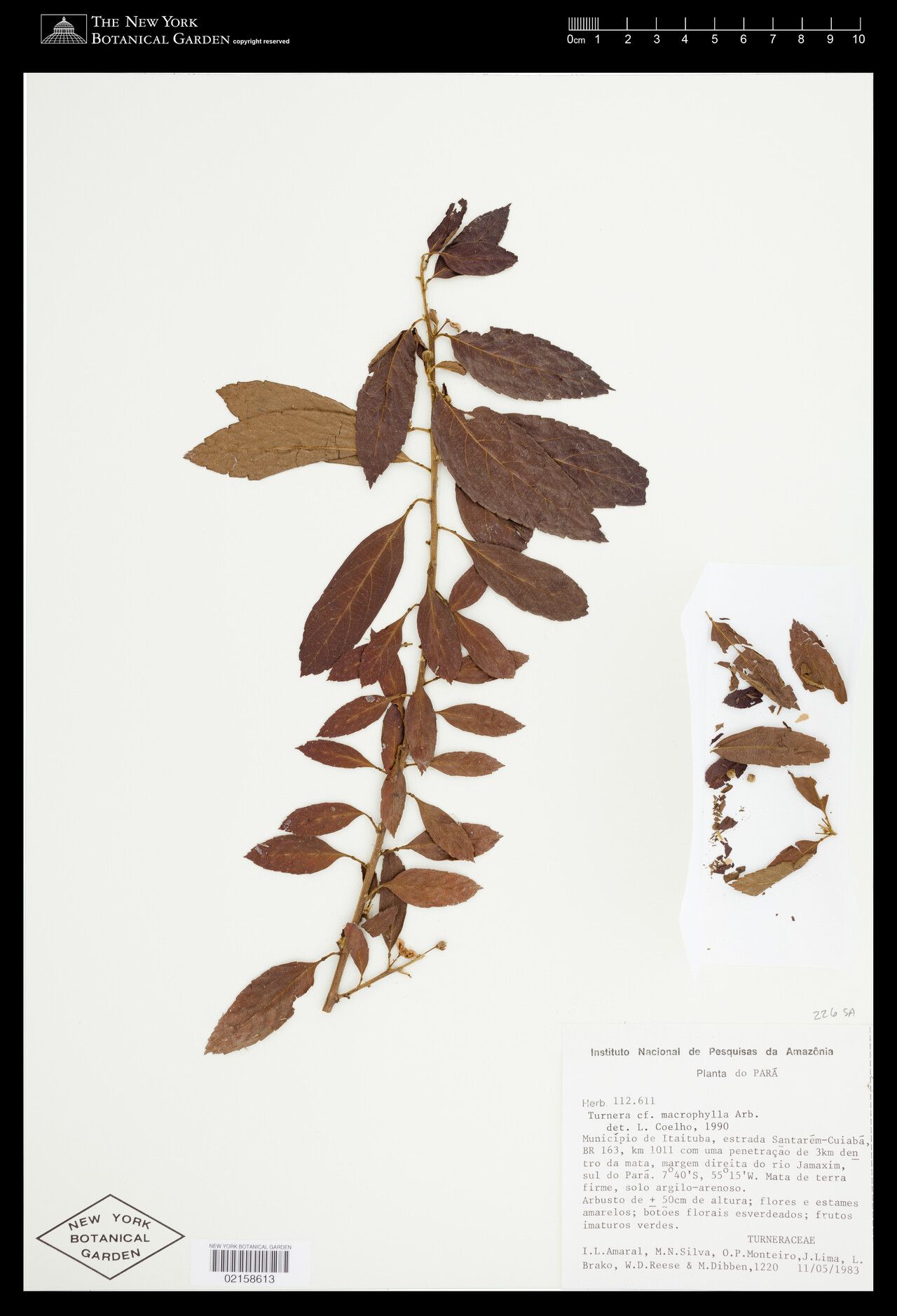
Hello, fellow plant lovers! Today, we’re diving into the wonderful world of propagating Turnera macrophylla. If you’ve ever admired its cheerful, bright yellow flowers that seem to bloom endlessly, you’re not alone. It’s a real showstopper in the garden, and the good news is, you can easily fill your landscape or pots with more of these beauties. For beginners, I’d say this one is moderately easy—with a little guidance, you’ll be successful!
The Best Time to Start
When it comes to getting new Turnera macrophylla plants going, spring and early summer are your prime time. This is when the plant is actively growing and has plenty of energy to put into developing roots. You’ll want to take your cuttings from healthy new growth that’s started to firm up just a bit, not the super soft, floppy tips.
Supplies You’ll Need
To set yourself up for success, gather these essentials:
- Sharp Pruning Shears or a Clean Knife: For making clean cuts.
- Rooting Hormone (Optional, but Recommended): A powder or gel to encourage root development.
- Potting Mix: A well-draining mix is key. I like a blend of perlite, peat moss, and a good quality potting soil.
- Small Pots or Seed Trays: With drainage holes!
- Clear Plastic Bags or a Propagator: To create a humid environment.
- Water: For misting and watering.
- Labels: So you remember what you planted where!
Propagation Methods
Let’s get our hands dirty! I find stem cuttings to be the most reliable method for Turnera macrophylla.
Stem Cuttings:
- Select Your Cuttings: In spring or early summer, choose healthy stems that are about 4-6 inches long. Look for stems that have at least a few sets of leaves and are starting to become somewhat woody, but still have some flexibility.
- Make the Cut: Using your clean shears or knife, make a clean cut just below a leaf node. This is where new roots will emerge.
- Prepare the Cutting: Gently remove the lower leaves, leaving only the top 2-3 sets of leaves. This prevents the lower leaves from rotting in the soil. You can also pinch off any flower buds that are present.
- Apply Rooting Hormone (Optional): Dip the cut end of the stem into rooting hormone, tapping off any excess. Follow the instructions on your specific product.
- Plant the Cuttings: Fill your small pots with your well-draining potting mix. Make a small hole in the center of each pot with a pencil or your finger. Insert the cut end of the stem into the hole, ensuring the leaf nodes that were below the soil line are covered. Gently firm the soil around the cutting.
- Provide Humidity: Water the soil gently. Then, cover the pots with a clear plastic bag or place them in a propagator. Make sure the plastic bag doesn’t touch the leaves! You can use small sticks or wire hoops to prop it up.
- Place Them Right: Put your pots in a warm spot that receives bright, indirect light. Avoid direct sun, which can scorch the young cuttings.
The “Secret Sauce”
Here are a couple of tricks I’ve learned over the years that can really boost your success rate:
- Bottom Heat is Your Friend: If you have the option, placing your pots on a heated propagation mat can make a world of difference. Warm soil encourages root development much faster. Just a gentle warmth, nothing too hot!
- Misting is Key, but Don’t Drown Them: Regularly mist the leaves inside the plastic tent or propagator. This keeps them hydrated while they wait for roots to form. However, be careful not to let the soil become waterlogged. A happy medium is best.
Aftercare & Troubleshooting
Once your cuttings have been in their humid environment for a few weeks, you’ll want to start checking for roots. You can do this gently by giving a slight tug on the stem. If you feel resistance, roots are forming!
- Gradual Acclimation: Once roots are established, you’ll need to gradually introduce them to normal conditions. Start by opening the plastic bag or propagator for a few hours each day, slowly increasing the time over a week or so.
- Watering: Once acclimated, water when the top inch of soil feels dry.
- Repotting: When the new plants have developed a good root system and are showing strong new growth (usually after about a month or two), you can carefully transplant them into larger pots or their final garden locations.
Common Pitfalls:
- Rotting: The most common culprit is too much moisture and poor drainage. Make sure your soil mix is airy and you aren’t overwatering. If a cutting turns black and mushy, it’s usually gone too far.
- Wilting: This can happen if the humidity isn’t high enough or if they haven’t developed roots yet. Ensure your propagation environment is humid.
Happy Propagating!
Propagating plants is such a rewarding way to connect with nature and see your garden grow. Be patient with your new Turnera macrophylla babies, give them a little extra care, and soon you’ll have a burst of sunshine to share. Enjoy the process!
Resource:
https://identify.plantnet.org/k-world-flora/species/Turnera%20macrophylla%20Urb./data