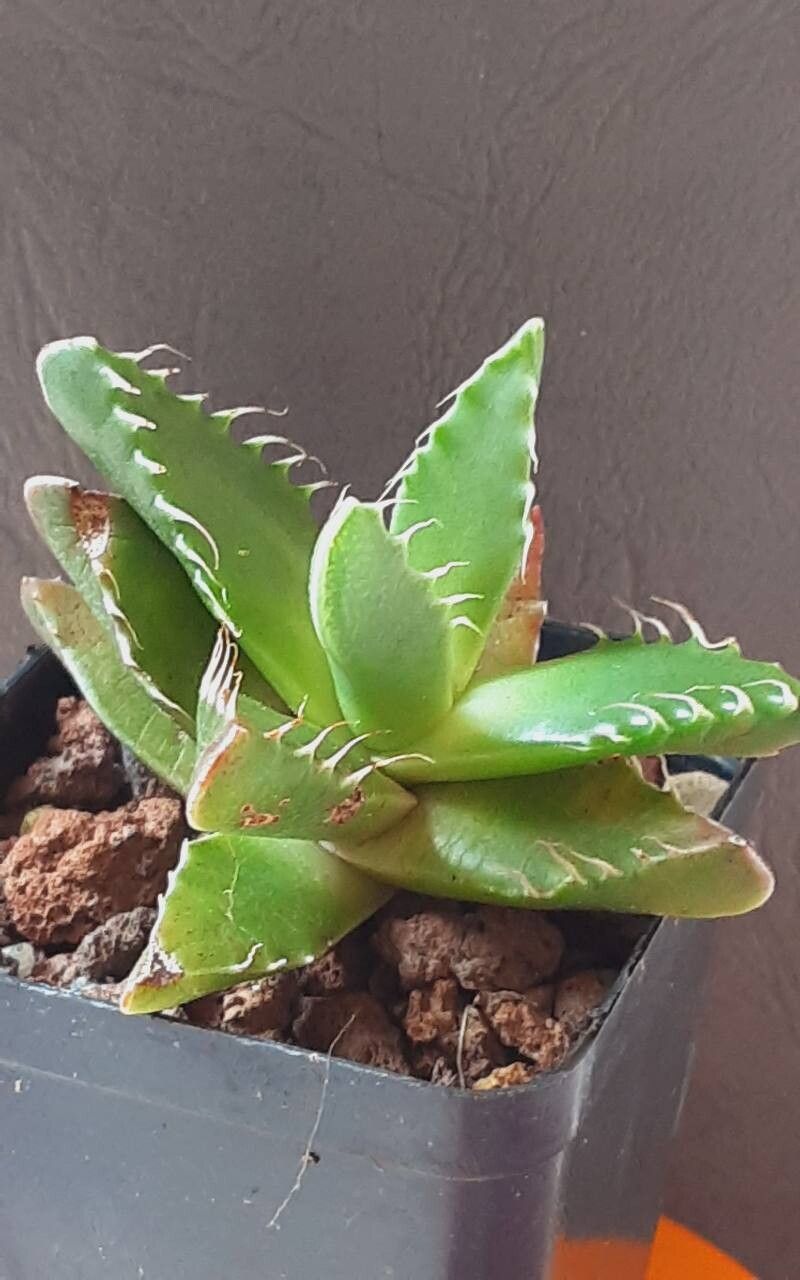
Oh, Faucaria! You’ve likely fallen for those fascinating, toothy jaws of Faucaria tigrina, haven’t you? They’re truly such a delight in a succulent collection. And the best part? They’re surprisingly cheerful to propagate. It’s incredibly rewarding to watch a tiny bit of plant transform into a whole new specimen. Don’t fret if you’re new to this; Faucaria is a wonderfully forgiving plant, making it a great one to start your propagation journey with.
The Best Time to Start
For Faucaria, early spring is your sweet spot. Think of it as waking up from their winter nap – that’s when they have the most energy to put into growing new roots. You can also have success in early summer, right before the really intense heat kicks in. Just make sure the plant is actively growing; you’ll see plump leaves and maybe even a few flowers.
Supplies You’ll Need
Before we dive in, let’s make sure you’re prepped. Here’s what I always have on hand:
- Well-draining succulent or cactus potting mix: This is non-negotiable for preventing rot. I often mix in a bit of perlite for extra aeration.
- Sharp, clean pruning shears or a knife: Sterilize them with rubbing alcohol to prevent disease.
- Rooting hormone (optional but helpful): A little sprinkle can speed things up.
- Small pots or a propagation tray: Make sure they have drainage holes!
- A spray bottle: For gentle watering once things are planted.
- Gravel or small pebbles (optional): For top dressing to help support the cuttings.
Propagation Methods
Faucaria is a master at making new plants, and the easiest way is through offsets, which are small baby plants that grow from the base of the mother plant.
- Gently remove the offset: Once an offset is about one-third to half the size of the mother plant, it’s usually ready. Carefully dig around the base of the offset with your fingers or a small trowel. If it’s still attached, use your sterilized shears to carefully cut it free, making sure to get a bit of root if possible.
- Let it callous: This is a crucial step! Place the offset in a dry, bright spot for 2-5 days. You want the cut end to dry out and form a protective scab. This prevents rot when you plant it.
- Planting the offset: Fill your small pot with your well-draining soil mix. Make a small indentation in the center and firmly plant the offset with its calloused end down. I like to gently firm the soil around it.
- Watering (after a few days): Don’t water immediately! Wait for about 3-5 days after planting. Then, give it a very light drink with your spray bottle, just enough to moisten the soil surface. You can gradually increase watering as it establishes.
You can also propagate Faucaria from leaf cuttings, though it’s a bit more hit-or-miss than offsets.
- Take a healthy leaf: Choose a plump, healthy leaf from the mother plant. Carefully twist or cut it from the stem, ensuring you get a clean break.
- Let it callous: Just like with offsets, you need to let the cut end dry and form a callous for a few days.
- Place on soil: Lay the calloused leaf on top of your well-draining soil mix. You don’t need to bury it.
- Misting: Lightly mist the soil surface every few days. Roots and eventually a new baby plant should emerge from the calloused end. This can take several weeks, so patience is key!
The “Secret Sauce” (Pro Tips)
Here are a couple of little tricks I’ve learned that can really boost your success:
- Don’t overwater, ever! This is probably the number one reason cuttings fail. Succulents are built to store water. When they’re trying to root, they’re extra susceptible to rot if their environment is too damp. Let the soil dry out between waterings.
- Bottom heat if you have it: If you’re propagating in cooler weather or indoors where it’s a bit chilly, a gentle heat mat placed underneath your propagation tray can make a huge difference. It mimics the warmth of spring and encourages faster root development.
Aftercare & Troubleshooting
Once you see tiny roots peeking out or small leaves forming on your cuttings, it’s time to treat them like the precious seedlings they are. Continue with bright, indirect light and allow the soil to dry out between waterings. As the new plant grows and becomes more robust, you can gradually introduce it to more direct sun, but always monitor it for signs of stress.
The biggest culprit for failure is rot. If your cutting turns mushy, black, or just seems to dissolve, it’s almost certainly from too much moisture. Unfortunately, there’s usually no coming back from severe rot. Sometimes, a cutting might just sit there, doing nothing, for a long time. That’s okay! Some plants are just slowpokes. If it looks healthy, give it more time.
A Encouraging Closing
Propagating Faucaria is a truly delightful way to expand your collection and share the joy of these unique succulents. Remember to be patient, observe your plants closely, and most importantly, enjoy the process. Happy propagating!
Resource:
https://identify.plantnet.org/k-world-flora/species/Faucaria%20tigrina%20(Haw.)%20Schwantes/data