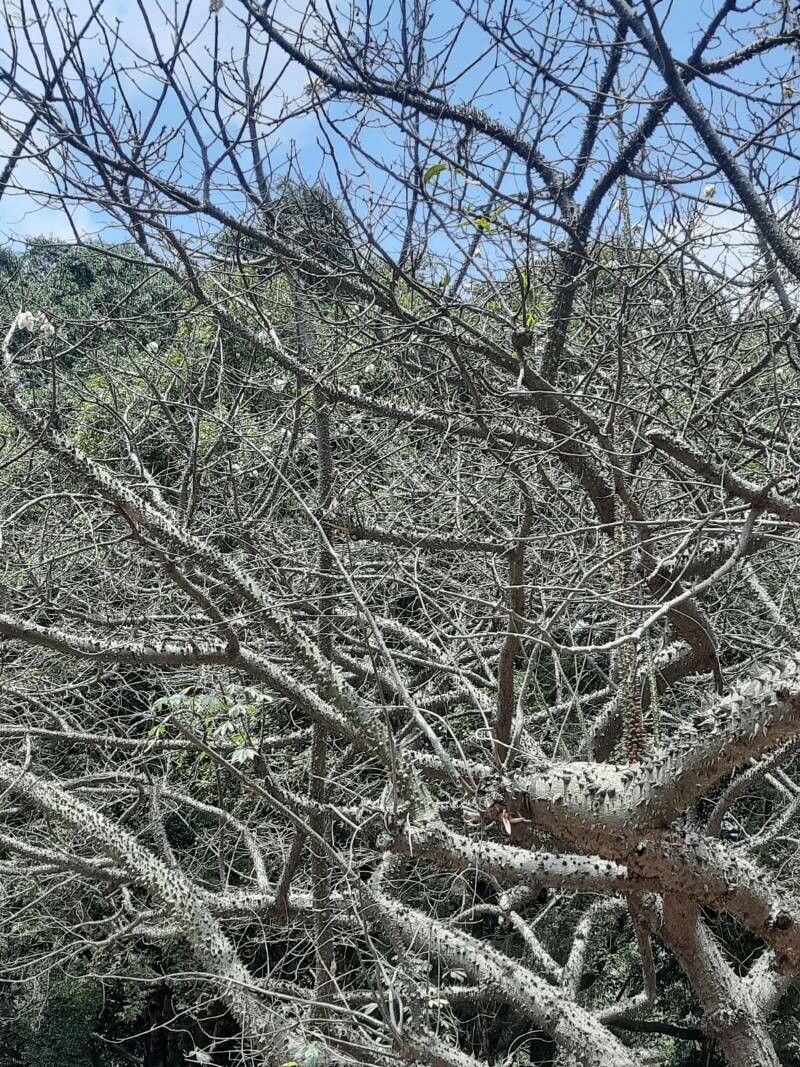
Growing a Ceiba Aesculifolia from Scratch: A Gardener’s Joy
There’s something truly special about coaxing a new plant to life from a tiny piece of another. And when that plant is a Ceiba aesculifolia – that beautiful, often prickly, and wonderfully architectural specimen – the reward feels even greater. My journey with these fascinating trees all started with a single cutting, and now I have a small forest of them. If you’ve admired their unique form and wondered how to get your own started, you’re in luck. Propagating Ceiba aesculifolia is absolutely achievable, though it does require a little patience and understanding.
When to Get Your Hands Dirty
For the best chance of success, I’ve found that starting your propagation efforts during the late spring or early summer is ideal. This is when the plant is actively growing and has plenty of energy to put into root development. Look for stems that are newly mature – not too soft and green, but not woody and old either. A stem that bends slightly before snapping is usually just right.
What You’ll Need for Propagation Success
Gathering your supplies before you begin will make the whole process smoother. Here’s what I always have on hand:
- Sharp, clean pruning shears or a knife: For making clean cuts that heal well.
- Rooting hormone (optional but highly recommended): Especially for Ceiba aesculifolia, this can significantly boost your success rate. Look for one with IBA.
- Well-draining potting mix: A cactus or succulent mix is perfect. You can also create your own by mixing equal parts perlite, coarse sand, and a good quality potting soil.
- Small pots or containers: About 4-6 inches in diameter with drainage holes.
- Plastic bags or a propagator lid: To create a humid microclimate.
- Watering can or spray bottle: For gentle watering.
Bringing Your Ceiba to Life: Propagation in Action
There are a few ways to go about this, but stem cuttings are typically the most effective for Ceiba aesculifolia.
Stem Cuttings: My Go-To Method
- Take your cutting: Using your sharp shears, take a cutting that’s about 6-8 inches long from a healthy Ceiba aesculifolia plant. Make your cut just below a leaf node (where a leaf attaches to the stem).
- Prepare the cutting: Gently remove the lower leaves from the cutting. If your cutting has any thorns, you might want to trim those away as well, being careful not to injure the stem.
- Apply rooting hormone: Dip the cut end of the stem into your rooting hormone, tapping off any excess.
- Plant the cutting: Make a hole in your well-draining potting mix with your finger or a pencil. Insert the cut end of the stem into the hole, ensuring at least two leaf nodes are buried. Firm the soil gently around the cutting.
- Create humidity: Water the soil lightly until it’s evenly moist. Then, cover the pot with a clear plastic bag or place it inside a propagator lid. This traps moisture and creates that essential humid environment.
The “Secret Sauce”: Insider Tips for Ceiba Success
After years of experimenting, I’ve picked up a few tricks that tend to make a big difference:
- Bottom Heat is Your Friend: Ceiba aesculifolia absolutely loves warmth. Placing your potted cuttings on a heating mat specifically designed for plants can dramatically speed up root formation. It mimics the warmth you’d find at the base of a mature plant.
- Don’t Overwater, but Keep it Moist: This is a balancing act. You want the soil to stay consistently moist, but never soggy. Overwatering is the quickest way to invite rot, which these plants are prone to. Allow the very top layer of soil to dry out slightly between waterings.
- Indirect Light is Key: Once your cuttings are planted, find a spot for them that receives bright, indirect sunlight. Direct sun can scorch young cuttings and dry out that precious humidity you’ve created.
Nurturing New Growth: Aftercare and What to Watch For
Once your Ceiba aesculifolia cuttings have started to show signs of growth – and this could take several weeks, so be patient! – it’s time for slightly different care.
- Gradual Acclimation: Slowly start to reduce the humidity by opening the plastic bag a little more each day or by lifting the propagator lid for longer periods. This lets the new plant get used to normal air conditions.
- Watering: Continue to water when the top inch of soil feels dry. You can start to water a bit more thoroughly now, but always ensure good drainage.
- Troubleshooting: The most common problem you might encounter is rot. If you notice the stem turning mushy or black at the soil line, it’s a sign of too much moisture and poor drainage. Unfortunately, this is often difficult to recover from. Wilting can also be a sign of underwatering, but it can also be a sign of root rot preventing water uptake, so check the soil moisture carefully. If your cutting simply doesn’t root, don’t be discouraged; try again with a fresh cutting and perhaps a slightly different approach.
The Joy of Growing
Propagating a Ceiba aesculifolia is a journey, and like any good journey, it’s about the experience as much as the destination. Enjoy the process of tending to your little cuttings, watch closely for any changes, and celebrate each tiny victory. Those first signs of new life are incredibly rewarding. Happy growing!
Resource: