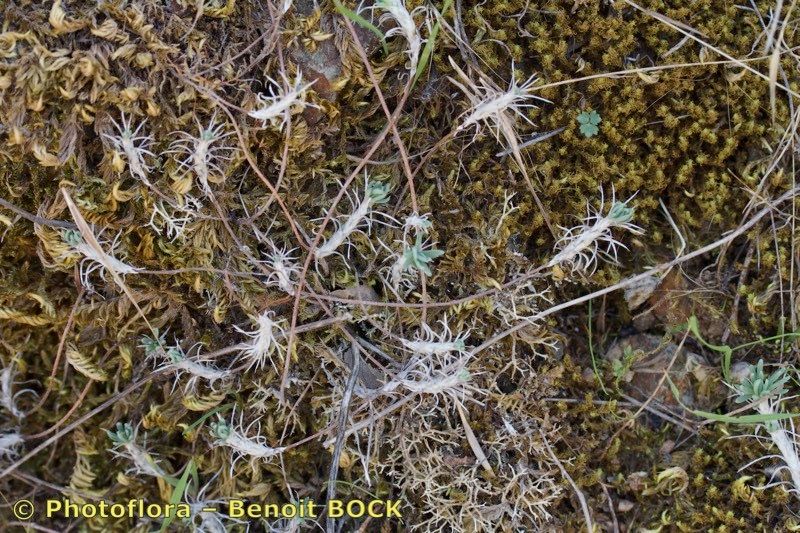
Oh, hello there! Grab a mug of your favorite brew, and let’s chat about a little gem I’m absolutely smitten with: Petrosea edum amplexicaule. If you’ve ever seen its cheerful, star-shaped yellow blooms carpeting a garden bed or spilling out of a pot, you know its charm. It’s like sunshine for your soul, and the best part? It’s surprisingly easy to multiply! If you’re just dipping your toes into the world of plant propagation, this is a wonderfully forgiving and rewarding project.
When to Get Your Hands Dirty
For Petrosea edum amplexicaule, I find spring is your best bet. That’s when the plant is really waking up from its winter slumber and starting to put on new growth. You’ll get the best, most vigorous cuttings then. Late spring or early summer can also work if your plant is already producing nice, firm stems. We’re looking for that sweet spot where the plant isn’t stressed by extreme heat or cold.
What You’ll Need to Get Started
Gathering your supplies makes the whole process smooth sailing. Here’s what I always have on hand:
- Sharp Pruning Shears or a Clean Knife: For making nice, clean cuts.
- Well-Draining Potting Mix: A blend specifically for succulents and cacti is perfect. You can also make your own by mixing potting soil with perlite or pumice (about a 50/50 ratio).
- Small Pots or Trays: Terracotta pots are great as they allow the soil to dry out faster, but plastic works too.
- Rooting Hormone (Optional, but helpful): A little boost can speed things up.
- Watering Can or Spray Bottle: For gentle moisture.
- Labels: Trust me, you’ll thank yourself later!
Let’s Get Propagating!
There are a couple of my favorite ways to make more of these beauties.
1. Taking Stem Cuttings: My Go-To Method
This is my absolute favorite for Petrosea edum amplexicaule. It’s quick and usually yields great results.
- Step 1: Select Your Stems. Look for healthy, non-flowering stems that are about 3-4 inches long. Gently twist or cut the stem cleanly just below a leaf node (where the leaves attach to the stem).
- Step 2: Prepare the Cuttings. Carefully remove the lower leaves from the bottom inch or so of the stem. This bit will go into the soil. If you have any flower buds, pinch them off – we want the plant’s energy to go into root development, not flowering.
- Step 3: Let Them Callus. This is a crucial step for succulents! Place your cuttings on a paper towel or a dry surface in a well-lit spot, away from direct sun, for 2-3 days. You’ll see a thin, dry scab form over the cut end. This prevents rot when you plant them.
- Step 4: Plant Them Up. Once callused, you can dip the cut end in rooting hormone, if using. Then, gently insert the callused end into your prepared, well-draining potting mix. Don’t pack the soil too tightly. You can place several cuttings in one pot, giving them a little space.
2. Water Propagation: A Fun Visual
This method is super satisfying because you can actually watch the roots grow!
- Step 1: Take Cuttings. Follow steps 1 and 2 above for preparing your stem cuttings.
- Step 2: Place in Water. This is where we deviate. Instead of letting them callus, you’ll place the leafless ends directly into a jar or glass of water. Make sure no leaves are submerged. Leaves sitting in water will rot and can take down the whole cutting.
- Step 3: Find a Bright Spot. Position the jar in a bright location with indirect sunlight.
- Step 4: Watch for Roots! Within a week or two, you should start seeing tiny white roots emerge from the cut end. Once the roots are about an inch long, you can transplant them into soil, following the planting step from the stem cutting method.
My “Secret Sauce” for Success
After years of tinkering, here are a couple of things that have really upped my success rate with succulents like this one.
First, don’t be afraid to let your cuttings dry out a bit when you first plant them. They’ve already stored water in their leaves, and soggy soil is their enemy. Wait for the soil to feel dry to the touch an inch or so down before watering lightly. Overwatering is the quickest way to lose a new cutting.
Second, if you have a seedling mat or can place your pots in a warm spot, that bottom heat can be a real game-changer. Succulents love warmth, and a gentle heat source encourages those roots to develop faster. Just ensure the air temperature isn’t too hot, as that can dry out the cuttings too quickly.
Aftercare and What to Watch For
Once your cuttings have developed a good root system (you can gently tug on them and feel some resistance), they’re ready to be treated like any other small Petrosea edum amplexicaule. Water them when the soil is dry, and give them bright, indirect light.
The main thing to watch out for is rot. If your cutting starts looking mushy, yellow, or black, it’s usually a sign of too much moisture or not enough airflow. Unfortunately, if it rots, it’s usually a lost cause, but don’t despair! Just try again with a fresh cutting and adjust your watering or callusing time. Sometimes, a cutting might just shrivel up and not do anything; this can happen, so have a few more on hand than you think you’ll need.
Keep Your Green Thumb Growing!
Propagating plants is such a rewarding experience. It’s not just about getting more plants; it’s about understanding the life cycle of your favorites and connecting with nature on a deeper level. Be patient with your new little plantlets, give them a little TLC, and before you know it, you’ll have a whole new collection to admire – or share! Happy gardening!
Resource:
https://identify.plantnet.org/k-world-flora/species/Petrosedum%20amplexicaule%20(DC.)%20Velayos/data