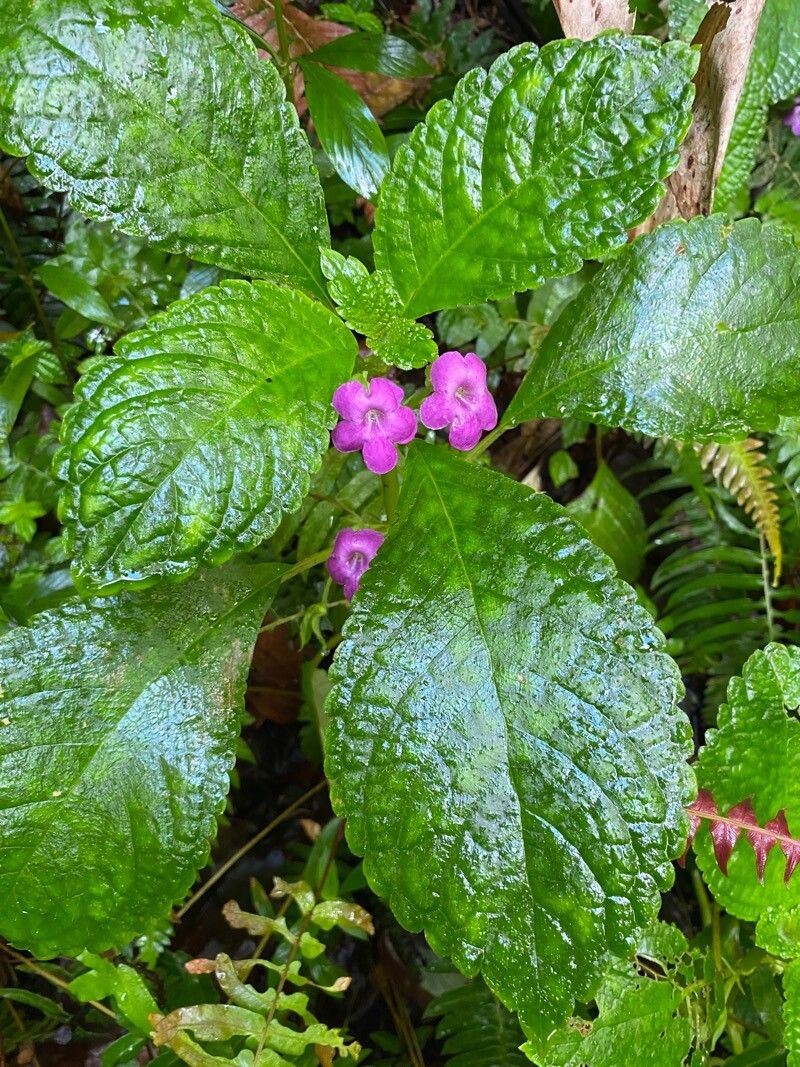
Oh, hello there, fellow plant lover! I’m so glad you’ve stopped by. Today, we’re diving into the wonderful world of Chrysothemis melittifolia, a plant that truly deserves a spot in your collection. Its vibrant, trumpet-shaped flowers are simply a joy to behold, and trust me, coaxing new life from your existing plants is one of the most satisfying gardening experiences you can have. And the best part? Chrysothemis melittifolia is surprisingly decently easy to propagate, even for those just starting on their plant journey.
The Best Time to Start
For the highest success rate with Chrysothemis melittifolia, I find that spring and early summer are absolutely ideal. This is when the plant is actively growing, pushing out new shoots with vigor. Starting your cuttings or divisions before the heat of mid-summer sets in gives them ample time to establish themselves before cooler weather arrives. Look for healthy, non-flowering stems as your starting material.
Supplies You’ll Need
Gathering your supplies beforehand makes the whole process so much smoother. Here’s what I always have on hand:
- Sharp, clean pruning shears or a sharp knife: For making clean cuts.
- A well-draining potting mix: I like a blend of equal parts peat moss or coco coir, perlite, and a good quality potting soil.
- Rooting hormone (optional but recommended): A powder or gel can significantly speed up root development.
- Small pots or seed trays: For your new cuttings or divisions. Make sure they have drainage holes!
- Plastic bags or a propagation dome: To create a humid environment.
- A watering can with a fine rose or a spray bottle: For gentle watering.
Propagation Methods
Chrysothemis melittifolia is quite forgiving and can be propagated in a couple of well-established ways.
Stem Cuttings
This is my go-to method for Chrysothemis melittifolia.
- Take your cuttings: Select a healthy stem that’s about 4-6 inches long. Look for a stem that has a few sets of leaves and is actively growing, but not flowering.
- Make the cut: Using your clean shears or knife, make a straight cut just below a leaf node (where a leaf attaches to the stem).
- Prepare the cutting: Gently remove the lower leaves, leaving just the top two or three. If the leaves are very large, you can even cut them in half to reduce water loss.
- Apply rooting hormone (optional): Dip the cut end of the stem into your rooting hormone, tapping off any excess.
- Pot them up: Fill your small pots with your prepared potting mix. Make a hole with your finger or a pencil and insert the cutting so the lowest leaf node is just at the soil surface. Gently firm the soil around it.
- Water and cover: Water the soil thoroughly until it drains from the bottom. Then, place the pot inside a plastic bag or cover it with a propagation dome to trap humidity.
Division
If your plant has become a little crowded in its pot, division is a fantastic way to multiply your collection and give your existing plant a boost.
- Remove the plant: Gently take your Chrysothemis melittifolia out of its pot.
- Inspect the root ball: You’ll often see that the plant has formed multiple crowns or offsets.
- Gently separate: With your fingers or a clean knife, carefully pull or cut the root ball apart into sections, ensuring each section has roots and at least one healthy stem with leaves.
- Pot them up: Pot each division into its own container using the same well-draining potting mix.
- Water them in: Water gently after potting.
The “Secret Sauce” (Pro Tips)
Here are a couple of things I’ve learned over the years that really make a difference:
- Bottom heat is your friend: Chrysothemis melittifolia absolutely loves warmth. Placing your pots on a heat mat designed for plants can dramatically speed up root formation. Don’t skip this if you can help it!
- Don’t let the leaves touch the water: If you’re doing water propagation (which is also possible, though I find stem cuttings in soil more reliable for this plant), make absolutely sure no leaves are submerged in the water. They’ll just rot. Aim to have only the cut stem in contact with the water, and change the water every few days to keep it fresh.
Aftercare & Troubleshooting
Once your cuttings or divisions are potted, it’s time for a little TLC.
- Keep them moist and humid: The soil should be kept consistently moist, but not soggy. The plastic bag or dome will help maintain that high humidity. Keep them in a bright spot, but out of direct, harsh sunlight.
- Check for roots: After a few weeks, you can gently tug on a cutting. If you feel resistance, roots have likely formed! You can also look for new leaf growth.
- Gradually acclimate: Once roots are established and you see good growth, it’s time to slowly acclimate them to lower humidity. Open the plastic bag or cone a little more each day for a week or so before removing it entirely.
- Troubleshooting: The most common issue you’ll encounter is rot. This usually happens due to overwatering or poor drainage. If you see a cutting turning black and mushy, it’s likely lost. If your plant looks limp and sad, check the soil moisture. Is it too dry? Too wet? Adjust accordingly. It’s better to err on the side of slightly too dry than too wet.
Enjoy the Process!
Watching a tiny cutting transform into a thriving new plant is such a rewarding experience. Be patient with your Chrysothemis melittifolia – sometimes they take their sweet time. Don’t get discouraged if a few don’t make it; that’s just part of gardening. Celebrate the successes, learn from any setbacks, and most importantly, enjoy the journey of bringing more beauty into your home. Happy propagating!
Resource: