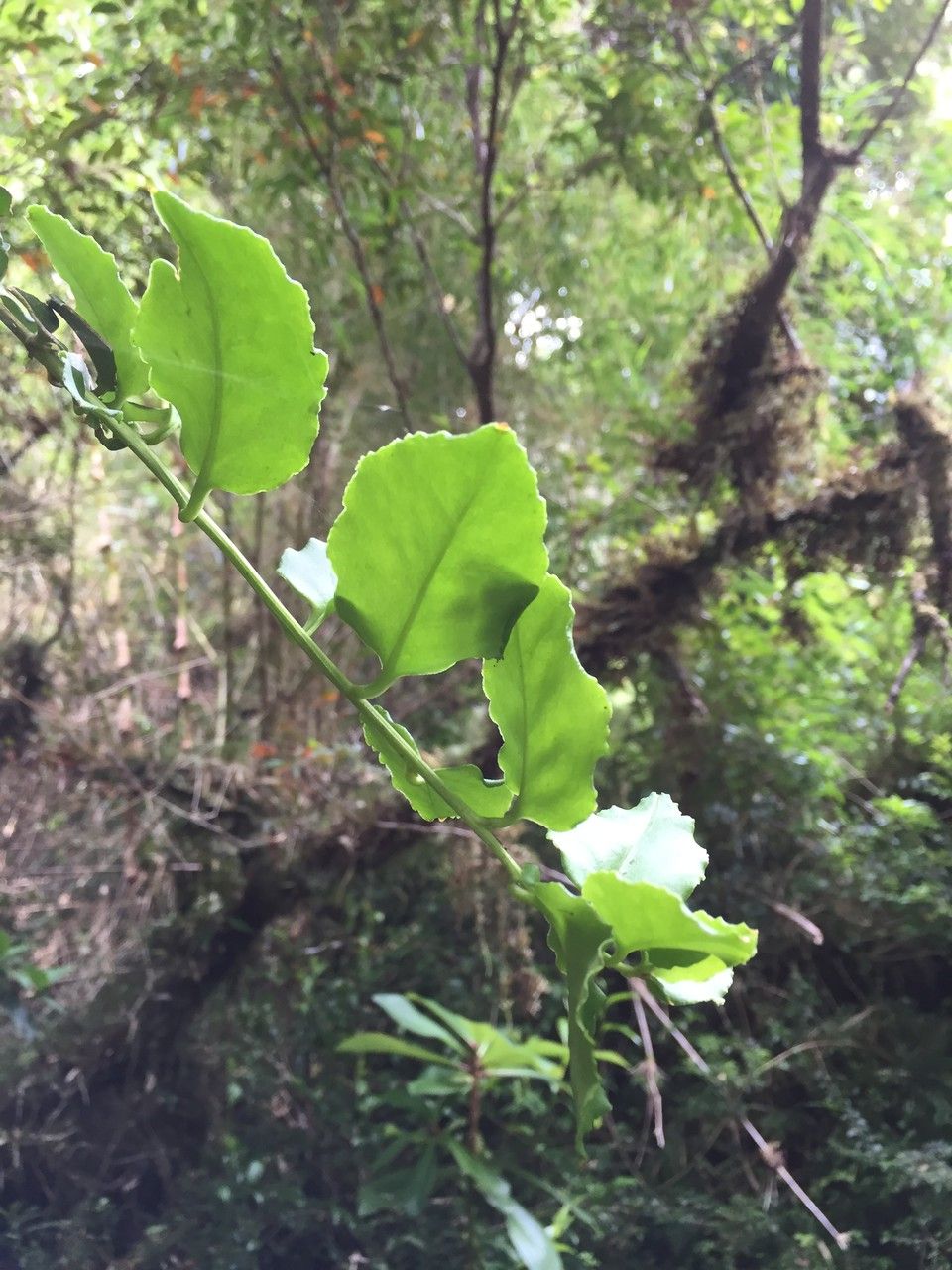
Oh, hello there! Pull up a chair and let’s chat about a plant that’s really captured my heart over the years: Ercilla syncarpellata. If you’re looking for a bit of glossy green to brighten up your shady corners or add a lovely trailing element to a hanging basket, this one is a real gem. Its lush, heart-shaped leaves are just so appealing, and honestly, the satisfaction of watching a tiny cutting transform into a thriving plant is just unparalleled. Now, I’ll be upfront – Ercilla can be a little bit particular about how it likes to be propagated, but don’t let that deter you! It’s a wonderful learning experience, and once you get the hang of it, you’ll be rewarded with plenty of new plants to share.
The Best Time to Start
For the highest chance of success with Ercilla syncarpellata, I always recommend working with it in the late spring or early summer. This is when the plant is really in its active growing phase. You’ll see fresh, new growth emerging, and these are the best stems to take for cuttings. They have the right balance of being soft enough to root easily but mature enough to have stored energy. Avoid taking cuttings when the plant is stressed, like during extreme heat or cold, or when it’s flowering heavily.
Supplies You’ll Need
Here’s a little kit to get you started:
- Sharp, clean pruning shears or a razor blade: For making nice, clean cuts.
- A small pot or propagation tray: With drainage holes, of course!
- Well-draining potting mix: I like a blend of peat moss or coco coir mixed with perlite or horticultural sand. About a 50/50 ratio usually does the trick.
- Rooting hormone (optional but recommended): This can give your cuttings a helpful boost. You can find powdered or gel forms.
- A clear plastic bag or propagation dome: To create a humid environment.
- Water: For keeping things hydrated.
- A watering can with a fine rose: For gentle watering.
Propagation Methods
My go-to method for Ercilla syncarpellata is stem cuttings. It’s the most reliable way to get new plants established.
-
Take Your Cuttings: On a healthy, actively growing stem, look for a section that has at least two or three leaf nodes (the point where a leaf attaches to the stem). Make a clean cut just below a leaf node using your sharp shears or blade. You’re aiming for cuttings that are about 3-5 inches long. Remove the lower leaves, leaving just one or two at the top. This prevents them from rotting in the soil.
-
Prepare for Rooting: If you’re using rooting hormone, dip the cut end of the stem into the powder or gel. Tap off any excess.
-
Plant Your Cuttings: Fill your pot or tray with your prepared potting mix. Make a small hole in the center with your finger or a pencil. Gently insert the cut end of the stem into the hole, ensuring the leaf nodes you removed are below the soil surface. Firm the soil around the stem.
-
Create a Humid Environment: Water the soil thoroughly but gently. Then, cover the pot with a clear plastic bag, securing it around the rim with a rubber band, or place it under a propagation dome. This will trap humidity, which is crucial for the cuttings until they develop roots.
-
Provide the Right Conditions: Place your pot in a spot with bright, indirect light. Avoid direct sunlight, as it can scorch the delicate cuttings and dry out the humidity dome too quickly. A warm location is also beneficial.
The “Secret Sauce” (Pro Tips)
Here are a few little tricks I’ve learned over the years that make a big difference:
- Don’t Let Those Leaves Touch the Water (if water propagating): While Ercilla can sometimes be rooted in water, I find stem cuttings in soil offer better long-term stability. If you do opt for water, make sure absolutely no leaves are submerged. They’ll just rot and invite disease.
- Bottom Heat is Your Friend: If you have a bit of space, placing your propagation tray on a gentle seedling heat mat can significantly speed up root development. It mimics the warmth of spring soil.
- Mist Regularly (Inside the Bag): Even with a humidity dome or bag, the moisture can sometimes escape. Give your cuttings a light misting with water every few days to keep the environment nice and humid.
Aftercare & Troubleshooting
Once you start seeing new leaf growth or feel a gentle tug when you lightly pull on a stem, that’s a good sign roots are forming! I usually wait a few weeks after seeing this before I try to transplant. Gradually acclimate your new plants to normal room humidity by opening the plastic bag or dome a little bit each day over a week.
The most common issue you might encounter is rot. If a cutting turns mushy and black, it’s likely rotted. This usually happens due to too much moisture combined with poor air circulation. If you see this, remove the affected cutting immediately to prevent it from spreading to others. Also, ensure your soil isn’t staying waterlogged; let the top inch of soil dry out slightly between waterings once roots have formed.
A Little Patience Goes a Long Way
Propagating plants is a journey, and with Ercilla syncarpellata, it’s a rewarding one. Don’t get discouraged if your first attempt isn’t perfect. Keep experimenting, observe your cuttings, and enjoy the process. Soon enough, you’ll be surrounded by beautiful new Ercilla plants, a testament to your green thumb and patience! Happy growing!
Resource:
https://identify.plantnet.org/k-world-flora/species/Ercilla%20syncarpellata%20Nowicke/data