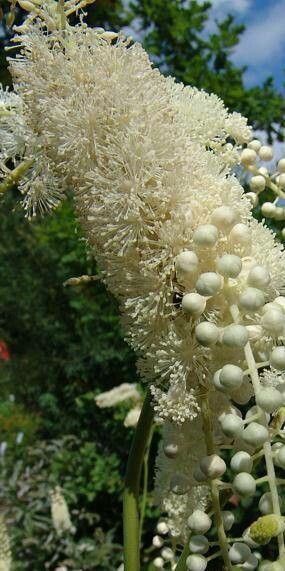
Ah, Actaea racemosa! Also known as Black Cohosh or by its more charming native name, Cimicifuga, this woodland beauty is such a rewarding plant to have in the garden. Those tall, elegant spires of fragrant white flowers in late summer are simply breathtaking, attracting all sorts of beneficial insects. If you’ve fallen in love with its graceful presence and want to spread that magic through your garden, propagating it is a fantastic idea. Now, I won’t sugarcoat it – Actaea racemosa can be a tad bit finicky for absolute beginners, but with a little patience and the right approach, it’s absolutely achievable. Think of it as a lovely challenge that pays off handsomely!
The Best Time to Start
For Actaea racemosa, late spring to early summer is generally your golden window. I like to aim for when the plant is actively growing but before it gets too hot. This typically means after the threat of frost has completely passed, but before the full heat of summer really sets in. You’re looking for fresh, vigorous new growth. For division, early spring, just as the soil is workable, is also an excellent time.
Supplies You’ll Need
Here’s what I always have on hand when I’m propagating:
- Sharp pruning shears or a clean knife: For making precise cuts and dividing.
- Potting mix: A good quality, well-draining potting mix is key. I often use a blend of peat moss, perlite, and a bit of compost. For divisions, a mix with good aeration is important.
- Rooting hormone (optional but recommended for cuttings): Look for a product containing IBA.
- Small pots or seed trays: Clean ones are a must!
- Watering can or mister: For gentle moisture.
- Plastic bags or propagation domes: To create a humid environment.
- Labels: Don’t forget to label your precious new babies!
- A trowel or soil knife: For dividing established clumps.
Propagation Methods
While Actaea racemosa isn’t the easiest plant for taking stem cuttings all the time, division is where it truly shines for home gardeners.
1. Division (My Preferred Method for Actaea Racemosa)
This is hands-down the most reliable way to propagate Actaea racemosa. It’s best done in early spring.
- Step 1: Prepare the Parent Plant. Water your Actaea racemosa the day before you plan to divide it. This makes the root ball easier to manage.
- Step 2: Gently Excavate. Carefully dig around the outside of the clump with your trowel or garden fork. You want to lift the entire plant out of the ground with as much of the root ball intact as possible.
- Step 3: Divide the Root Ball. Once the plant is out, you can usually see natural divisions. You can use your hands to carefully tease apart sections of the root ball if it’s not too dense. For tougher clumps, you might need to use a clean, sharp spade or even a sharp knife to cut through the roots. Each division must have at least one healthy bud (or crown shoot) and a good amount of root.
- Step 4: Replant Immediately. Get your divisions replanted as soon as possible. Dig planting holes in their new locations or in pots filled with your well-draining potting mix. Plant them at the same depth they were growing previously.
- Step 5: Water Thoroughly. Water in the divisions well to settle the soil and reduce transplant shock.
2. Stem Cuttings (A Bit More Advanced)
This method is more suited for late spring or early summer when you have actively growing stems.
- Step 1: Take Cuttings. Select a healthy, non-flowering stem. Using your sharp shears or knife, take cuttings that are 4-6 inches long. Make a clean cut just below a leaf node. Remove the lower leaves, leaving just a few at the top.
- Step 2: Apply Rooting Hormone (Optional). If you’re using rooting hormone, dip the cut end of the stem into the powder or gel. Tap off any excess.
- Step 3: Pot Up the Cuttings. Fill small pots with your well-draining potting mix. Make a hole with a pencil or your finger and insert the cutting. Gently firm the soil around the base of the cutting.
- Step 4: Create a Humid Environment. Water the cuttings gently. Then, cover the pot with a plastic bag or a clear propagation dome, making sure the leaves don’t touch the plastic.
- Step 5: Provide Warmth and Light. Place the pots in a bright location, but out of direct sunlight. Consistent moisture and humidity are crucial.
The “Secret Sauce” (Pro Tips)
- For Division: Don’t Overthink It. Actaea racemosa has a robust root system. If you’re struggling to see clear divisions, it’s okay to make a clean cut through a section of the crown, as long as each piece has buds and roots. They are tough plants!
- For Cuttings: Bottom Heat is Your Friend. If you’re attempting stem cuttings, placing your pots on a heated propagation mat can significantly speed up root formation. It mimics the warmth of spring soil and really gives those cuttings a good start.
- For Cuttings: Keep Those Leaves Dry! When misting or watering your cuttings in pots, try your best to avoid getting the leaves wet. Damp foliage in a humid environment can be a fast-track to fungal issues.
Aftercare & Troubleshooting
Once your divisions are planted or your cuttings have rooted (you’ll see new growth or feel resistance when you gently tug), they still need a bit of TLC.
- Keep them Moist: Continue to water your new plants regularly, especially during dry spells. Don’t let them dry out completely, but also avoid waterlogged conditions – that’s a recipe for rot.
- Gradual Acclimation: If your cuttings were under cover, gradually introduce them to open air over a week or so before planting them out permanently. This helps them adjust to lower humidity and fluctuating temperatures.
- Watch for Rot: The most common sign of failure is rot, which looks like mushy, brown stems or roots. This is usually due to overwatering or poor drainage. If you spot it, try to remove the affected parts immediately and improve drainage.
- Patience is Key: New divisions might look a bit rough for the first season. Don’t be discouraged. They need time to establish a strong root system.
A Encouraging Closing
Propagating Actaea racemosa is a wonderful way to fill your garden with these elegant beauties. Division is your best bet for success, and even cuttings can be rewarding with a little extra care. Remember to be patient, observe your plants, and enjoy the journey of new growth. Happy gardening!
Resource:
https://identify.plantnet.org/k-world-flora/species/Actaea%20racemosa%20L./data