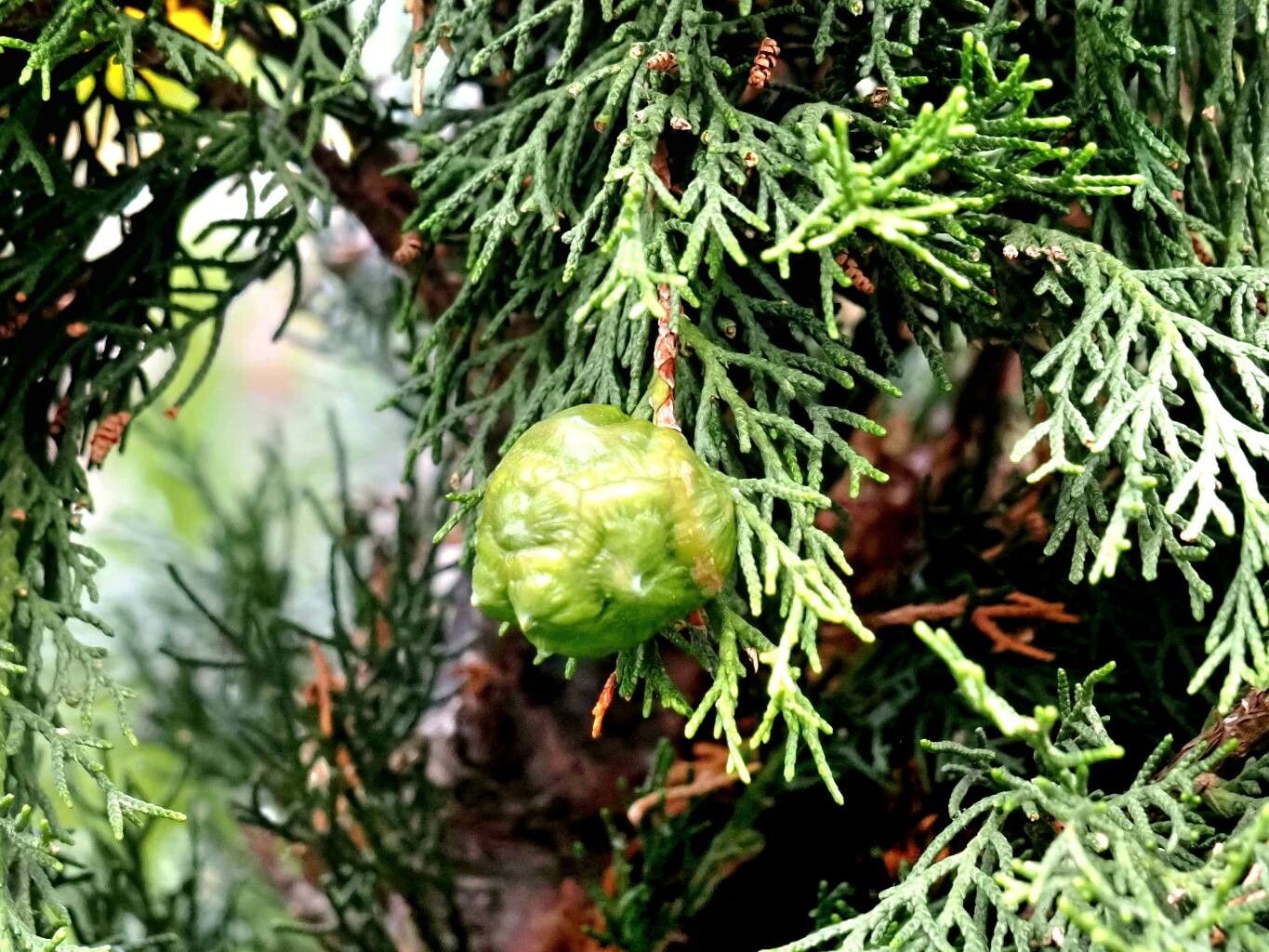
Hello fellow garden lovers! Today, we’re diving into the wonderful world of propagating a plant that truly brings a touch of classic elegance to any landscape: the Italian Cypress, or Cupressus sempervirens. Its stately, columnar form is simply breathtaking. There’s something incredibly satisfying about taking a tiny piece of this beautiful tree and nurturing it into a new life. For beginners, it might seem a tad intimidating at first, but with a little patience, you’ll find it’s a very achievable and rewarding project.
The Best Time to Start
When it comes to Italian Cypress, late spring to early summer is your sweet spot. This is when the plant is actively growing, and the new shoots are semi-hardwood. They have enough maturity to retain their structure but are still pliable enough to root. Trying to propagate from very soft, brand-new growth or old, woody stems usually brings less success.
Supplies You’ll Need
Gathering your tools beforehand makes the whole process smoother. Here’s what I usually have on hand:
- Sharp, clean pruning shears or a sharp knife: For making clean cuts.
- Rooting hormone (powder or gel): This is a great help, though not strictly mandatory.
- Well-draining potting mix: A blend of equal parts peat moss or coco coir, perlite, and a bit of coarse sand works wonders for me.
- Small pots or propagation trays: Cleaned thoroughly.
- Plastic bags or a clear propagator lid: To keep humidity high.
- Watering can or spray bottle: For gentle watering.
- Labels and a marker: So you don’t forget what you’ve planted!
Propagation Methods
We’ll focus on the most reliable method for Italian Cypress: stem cuttings.
- Taking the Cuttings: On a mild morning, select healthy, vigorous new growth that’s about 4-6 inches long. Feel the stem – you want it to be slightly firm but not overly brittle. Use your clean shears to make a clean cut just below a leaf node (where the leaves attach to the stem).
- Preparing the Cuttings: Gently strip off the lower leaves. You want to do this to prevent them from rotting when you bury them. If the leaves are still quite large, you can even trim them in half to reduce water loss.
- Applying Rooting Hormone: Dip the cut end of the stem into your rooting hormone, making sure the cut surface is evenly coated. Tap off any excess.
- Planting the Cuttings: Fill your clean pots with the well-draining potting mix. Make a small hole in the center of the mix with your finger or a pencil. Insert the prepared cutting into the hole, ensuring that the nodes where you removed the leaves are below the soil surface. Gently firm the soil around the stem.
- Watering and Covering: Water the potting mix gently until it’s evenly moist but not waterlogged. You want it to feel like a wrung-out sponge. Then, cover the pot with a clear plastic bag or place it inside a propagator lid, making sure the leaves don’t touch the plastic. This creates a humid environment essential for root development.
The “Secret Sauce” (Pro Tips)
Here are a few tricks I’ve learned over the years that really boost my success rates with trickier cuttings like cypress:
- Bottom Heat is Your Friend: Placing your pots on a gentle electric propagator mat can significantly speed up rooting. It keeps the soil at a consistently warm temperature, encouraging root growth. Just a low setting is perfect.
- Don’t Overwater! This is a common pitfall. Cypress cuttings are prone to rot if the soil stays too wet. It’s better to err on the side of slightly too dry than too wet. Let the top inch of soil dry out just a touch between waterings.
- Sterility is Key: Always use clean tools and pots. Any lingering bacteria or fungi can quickly take down your precious cuttings. I give my shears a quick wipe with rubbing alcohol between each cut, just in case.
Aftercare & Troubleshooting
Once your cuttings have started developing roots – you might see new tiny leaves unfurling or feel a gentle tug when you carefully pull on the stem – it’s time for a little adjustment. Slowly acclimate them to lower humidity by gradually opening the plastic bag or propagator lid over a week or two. Continue to water them when the top inch of soil feels dry.
The main thing to watch out for is rot. If you see stems turning black and mushy, or if the leaves suddenly wilt and go brown, it’s a sign of too much moisture and not enough air circulation. Unfortunately, there’s not much you can do once rot sets in, so prevention is the best medicine. If a few cuttings fail, don’t get discouraged. Gardening is always a learning experience!
A Closing Thought
Propagating Italian Cypress is a journey. Some take root quickly, others may take their sweet time. Be patient, observe your little charges closely, and celebrate every sign of progress. There’s such a thrill in watching that first tiny root emerge. Enjoy the process, and happy gardening!
Resource:
https://identify.plantnet.org/k-world-flora/species/Cupressus%20sempervirens%20L./data