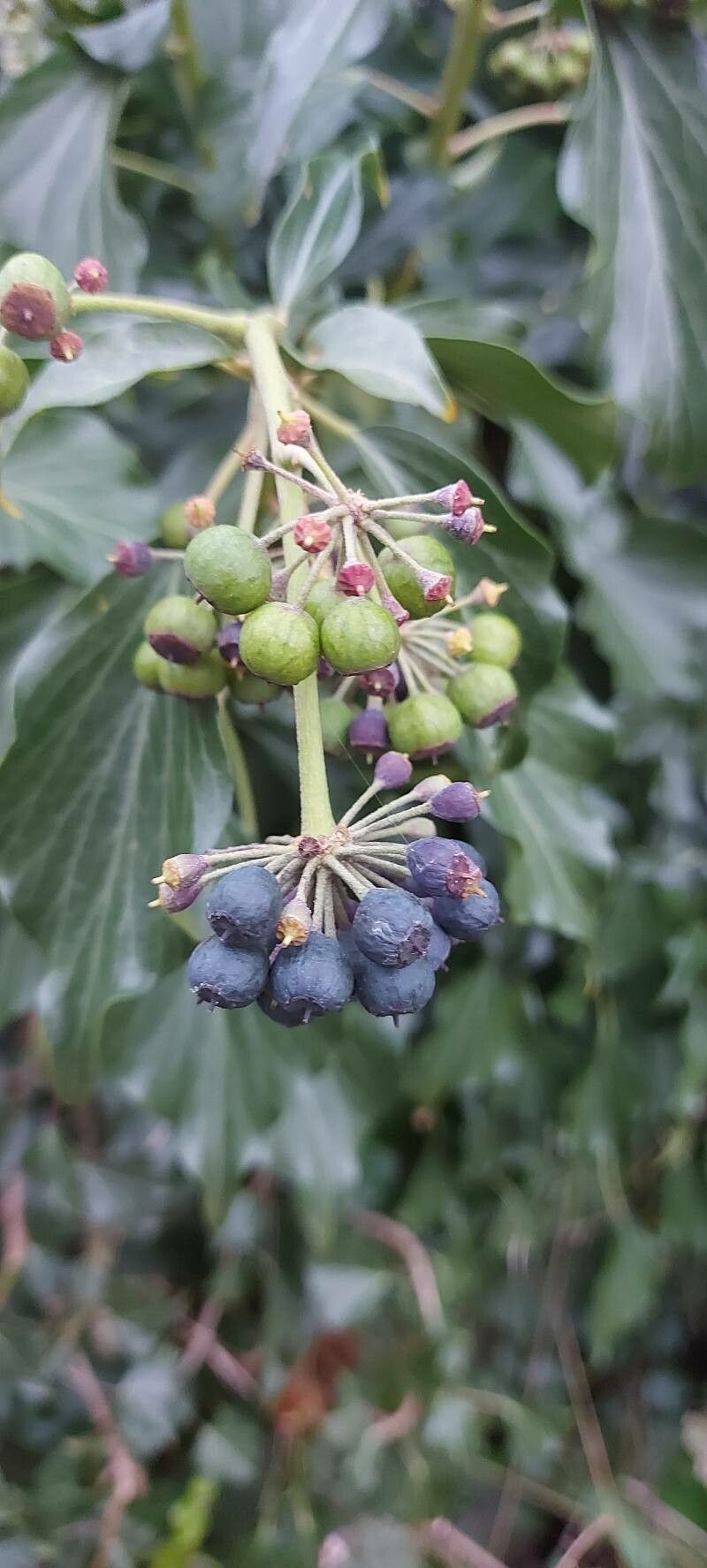
Cultivating More Charm: Your Guide to Propagating English Ivy (Hedera helix)
Ah, English Ivy! There’s something so deeply satisfying about its lush, trailing greenery. It drapes beautifully over pots, softens harsh corners, and even climbs with quiet determination. If you’re like me, and a little bit of extra ivy would make your home or garden even more delightful, then propagating it is a wonderful next step. And the best part? English ivy is a remarkably easy plant to propagate – a real joy for beginners and seasoned gardeners alike. Getting more of this beautiful plant for yourself, or to share with friends, is incredibly rewarding.
When the Garden is Calling: The Best Time to Start
For the most vigorous growth and highest success rates, aim to propagate your Hedera helix during its active growing season. This usually means late spring through mid-summer. You’re looking for healthy, new growth that’s still somewhat flexible, not the old, woody stems. This is when the plant has plenty of energy to put into forming new roots.
Gathering Your Gardening Gear: What You’ll Need
Don’t worry, you probably have most of these things already!
- Sharp Pruning Shears or Scissors: Cleanliness is key to preventing disease.
- Small Pots or Containers: Just big enough for your cuttings.
- Well-Draining Potting Mix: A good quality general potting mix, or a blend of potting soil and perlite/sand, works wonderfully.
- Rooting Hormone (Optional but Recommended): This little helper can speed up the process significantly.
- Clear Plastic Bag or Dome: To create a mini-greenhouse effect.
- Water: For a very simple propagation method.
- Permanent Marker: To label your pots!
The Magic of Multiples: Propagation Methods
English Ivy is quite forgiving, and you’ve got a couple of straightforward ways to create new plants:
Method 1: Stem Cuttings
This is my go-to method for ivy. It’s reliable and yields great results!
- Select your parent plant: Choose a healthy, actively growing English ivy.
- Take your cuttings: Using your clean pruning shears, cut healthy stems that are about 4-6 inches long. Make your cut just below a leaf node (the little bump where a leaf grows from the stem).
- Prepare the cuttings: Gently remove the lower leaves from the bottom half of each cutting. You want to expose the nodes, as this is where roots will form. Leave 2-3 leaves at the top.
- Apply rooting hormone (optional): Dip the cut end into your rooting hormone powder, tapping off any excess.
- Plant your cuttings: Fill your small pots with your prepared potting mix. Make a little hole in the center with your finger or a pencil. Insert the cut end of your ivy cutting into the hole, making sure the nodes are buried. Gently firm the soil around the stem.
- Water thoroughly: Water your cuttings until you see water drain from the bottom of the pot.
- Create humidity: Cover each pot with a clear plastic bag (making sure it doesn’t touch the leaves) or place them inside a clear plastic dome. This will help keep the humidity high, which is crucial for rooting.
- Find a good spot: Place your pots in a location with bright, indirect light. Avoid direct sun, which can scorch the tender cuttings.
Method 2: Water Propagation
If you want to see those roots grow, this is a fun one!
- Take cuttings: Follow steps 1 and 2 from the stem cutting method.
- Remove lower leaves: Just as before, remove the lower leaves.
- Place in water: Fill a clean jar or glass with water. Crucially, make sure no leaves will be submerged in the water. Only the bare stem should be in contact with the water.
- Change the water regularly: Change the water every few days to keep it fresh and prevent bacterial growth.
- Find a good spot: Place the jar in bright, indirect light.
- Wait for roots: You should start to see tiny white roots emerging from the nodes within a few weeks.
- Plant when ready: Once the roots are about an inch long, you can carefully transplant them into pots filled with potting mix, following step 5 from the stem cutting method. Water well and cover with a plastic bag for a few days to help them adjust.
The “Secret Sauce”: My Insider Tips
- Don’t let the leaves touch the water: I can’t stress this enough for water propagation. Submerged leaves will rot, and that can spread to the cutting and kill it before it even has a chance to root.
- Bottom heat is your friend: If you can, placing your pots on a gentle heating mat designed for seedlings can dramatically speed up root formation. Ivy loves a bit of warmth from below.
- Be patient with woody stems: Sometimes, if you have an older, slightly woodier piece of ivy, it might take longer to root. Don’t give up too soon! If it’s still firm and hasn’t rotted, it might just be a slow starter.
Tending Your Tiny Treasures: Aftercare & Troubleshooting
Once you see roots emerging from the bottom of your pot (you can gently tug on a cutting to feel resistance, or look for roots peeking out of the drainage holes), your new ivy is ready for a little more attention.
- Gradually remove humidity: Over the course of a week, slowly start to remove the plastic bag or dome. This helps your new plant acclimate to the drier air of your home.
- Water as needed: Keep the soil consistently moist but not waterlogged. Water when the top inch of soil feels dry to the touch.
- Fertilize lightly: Once the plant is actively growing in its new pot, you can start feeding it with a diluted all-purpose liquid fertilizer every 4-6 weeks during the growing season.
The most common sign of failure is rot. If your cuttings turn mushy, black, or smell funky, they’ve likely rotted. This usually happens due to too much moisture, poor air circulation, or dirty tools. If you see rot, it’s best to discard the affected cutting and start fresh, double-checking your watering and cleanliness.
Grow On, Green Thumb!
Propagating Hedera helix is a wonderfully simple way to expand your plant collection or share the green love. Remember to be patient, keep things clean, and provide a little bit of humidity, and you’ll be rewarded with beautiful new baby ivies in no time. Happy propagating!
Resource:
https://identify.plantnet.org/k-world-flora/species/Hedera%20helix%20L./data