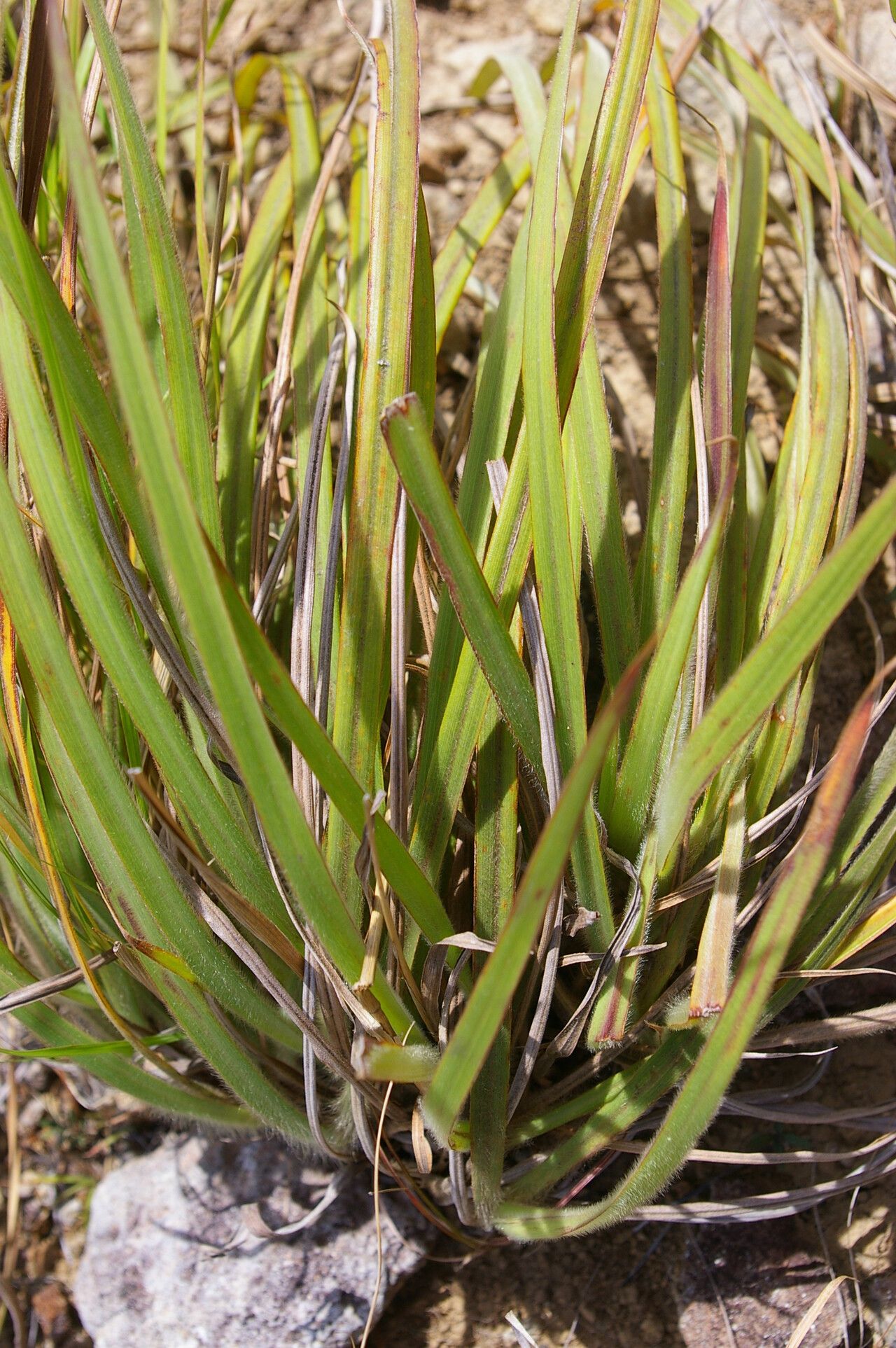
Hello, fellow garden enthusiasts! Today, we’re diving into the wonderful world of propagating Paspalum pectinatum. If you love that unique texture and graceful sway of this grass in your garden, you’re in for a treat. Growing more of it yourself is incredibly satisfying, and you know what? It’s surprisingly doable, even for those of you just starting out. I find it to be a rather forgiving plant when it comes to sharing its offspring, which is always a good sign for beginners.
The Best Time to Start
When it comes to getting the most bang for your propagation buck, spring and early summer are your golden windows. This is when the plant is actively growing and has plenty of energy to put into new roots. You can also have success with division in the fall, but if you’re going for cuttings, don’t miss that warm-weather window.
Supplies You’ll Need
Here’s what you’ll want to have on hand:
- Sharp pruning shears or a clean knife: For making precise cuts.
- Well-draining potting mix: I like a blend of equal parts peat moss or coco coir and perlite or coarse sand. This is key to preventing soggy roots.
- Small pots or trays: Whatever suits the size of your cuttings or divisions. Make sure they have drainage holes!
- Rooting hormone (optional but recommended for cuttings): A powder or gel will do.
- Watering can or spray bottle: For gentle watering.
- Labels: So you don’t forget what you’ve planted!
Propagation Methods
Let’s get our hands dirty! Paspalum pectinatum is most commonly propagated through division, and it’s wonderfully straightforward.
Division: A Gardener’s Best Friend
- Dig it up: With your trowel or spade, carefully dig around the base of your established Paspalum pectinatum plant. You want to lift as much of the root ball as possible without damaging it too much.
- Gently separate: Once out of the ground or pot, you can often gently pull the root ball apart with your hands. For tougher clumps, use a clean knife or your spade to cut through the roots and stems. Aim for sections that have both healthy-looking stems and a good amount of root material.
- Replant immediately: Get your new divisions into their pots with fresh potting mix or back into the ground right away. Water them in well to settle the soil.
While division is my go-to, I’ve also had success with stem cuttings if I’m feeling a bit adventurous or have a particularly lush specimen I want to multiply.
Stem Cuttings: A Little More Patience, But Worth It
- Take your cuttings: In spring or early summer, select healthy, actively growing stems. Using your sharp shears, cut stems that are about 4-6 inches long. Take them from just below a leaf node (the point where a leaf emerges from the stem). Remove any lower leaves that might rot if submerged.
- Dip in rooting hormone (optional): If you’re using rooting hormone, moisten the cut end of the stem slightly and dip it into the powder or gel, tapping off any excess.
- Plant your cuttings: Fill your small pots with your well-draining potting mix. Make a small hole with your finger or a pencil and insert the cut end of the stem. Firm the soil around it gently.
- Water lightly: Mist the soil surface or water very gently. You want the soil to be moist, not waterlogged.
The “Secret Sauce”: Pro Tips from My Garden Bench
- Don’t drown your cuttings: If you decide to try water propagation (though I find soil-based cuttings are more successful for Paspalum pectinatum), make sure the leaves do not touch the water. They’ll rot and turn mushy, which is the opposite of what we want!
- A little warmth goes a long way: Placing your pots with cuttings on a heat mat or in a warm spot can really speed up root formation. It mimics nature’s gentle warmth nicely.
- Humidity is your friend: For cuttings, popping a clear plastic bag over the pot (supported so it doesn’t crush the leaves) can create a mini-greenhouse effect, keeping humidity levels up and preventing the cuttings from drying out too quickly.
Aftercare & Troubleshooting
Once your divisions or cuttings have settled in, keep them in a bright, but not intensely hot, location. Water them when the top inch of soil feels dry. With divisions, you should see new growth within a few weeks. For cuttings, patience is key! You might not see significant movement for several weeks, or even a couple of months. You can gently tug on a cutting – if you feel resistance, that’s a good sign roots are forming.
The most common sign of trouble is rot. This usually happens from overwatering or poor drainage. If you see stems turning brown and mushy, or if cuttings simply refuse to root and start to decay, it’s time to pull them and try again, ensuring your soil is airy and you’re not keeping them too wet.
A Kind Word to the Budding Propagator
Don’t be discouraged if your first attempt isn’t absolutely perfect. Gardening is a journey, and propagation is a fantastic way to learn. Be patient with your new plants, observe them closely, and most importantly, enjoy the magic of growing something beautiful from something small. Happy propagating!
Resource:
https://identify.plantnet.org/k-world-flora/species/Paspalum%20pectinatum%20Nees/data