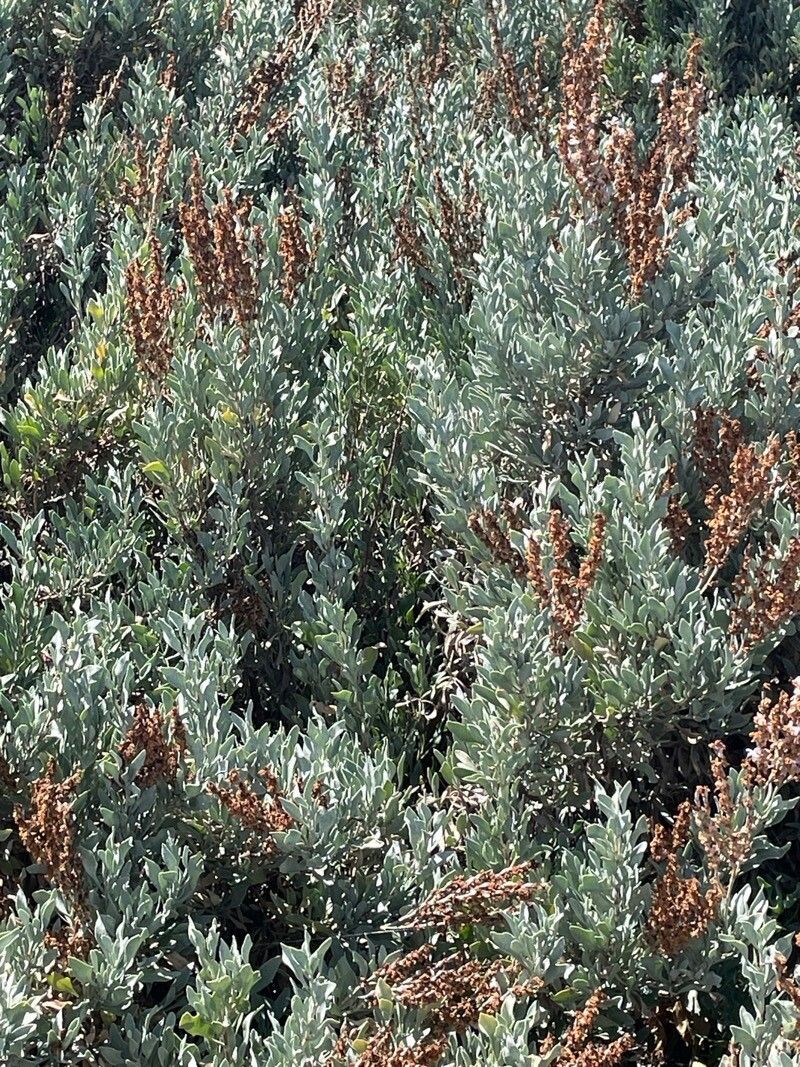
Hey there, fellow garden enthusiasts! If you’ve ever admired the silvery-grey foliage and tough-as-nails nature of Atriplex cinerea, or Coastal Saltbush, you’re in for a treat. This Australian native is a real stunner, looking gorgeous in coastal gardens or anywhere a hardy, drought-tolerant plant is needed. And guess what? Propagating it is incredibly rewarding. For beginners, I’d say it’s wonderfully forgiving. You’ll find yourself hooked!
The Best Time to Start
When it comes to getting new Atriplex cinerea going, spring and early summer are your absolute best friends. This is when the plant is actively growing and putting out lots of fresh, pliable new shoots. Waiting until the stems have started to harden off a bit, but are still flexible, is your golden window. Trying to propagate in the dead of winter is just asking for disappointment!
Supplies You’ll Need
Here’s what I always have on hand when I’m getting ready to multiply my saltbush:
- Sharp pruning shears or secateurs: Clean cuts are key.
- Rooting hormone powder or gel (optional but helpful): Gives cuttings a little boost.
- A well-draining potting mix: I like a blend of equal parts coarse sand, perlite, and peat moss. Or, a good quality seed-raising mix works too.
- Small pots or trays: Clean ones are always a must.
- Plastic bags or a propagator: To create a humid environment.
- Watering can with a fine rose: For gentle watering.
- Labels and a permanent marker: So you don’t forget what’s what!
Propagation Methods
Let’s get our hands dirty! For Atriplex cinerea, my go-to method is stem cuttings.
- Taking the Cuttings: Find some healthy, non-flowering stems. You want pieces about 10-15 cm (4-6 inches) long. Make a clean cut just below a leaf node (where a leaf attaches to the stem). This is where the magic happens for root formation.
- Preparing the Cuttings: Gently remove the lower leaves, leaving just a few at the top. If your cuttings are quite long, you can even trim those remaining leaves in half to reduce water loss.
- Dipping in Rooting Hormone (Optional): If you’re using rooting hormone, lightly dip the cut end of each cutting into the powder or gel. Tap off any excess.
- Planting the Cuttings: Fill your pots with your prepared, moist potting mix. Make a small hole with a pencil or your finger. Insert the cuttings, ensuring the cut end is well into the soil and that at least one leaf node is buried. Gently firm the soil around them.
- Creating Humidity: Water the pots gently. Then, cover the pots with a clear plastic bag, propping it up with stakes so it doesn’t touch the leaves, or place them in a propagator. This traps moisture and keeps the cuttings from drying out.
The “Secret Sauce” (Pro Tips)
After years of gardening, you pick up a few tricks! Here are my favorites for Atriplex cinerea:
- Don’t let the leaves touch the water: When you water, make sure the soil is moist but not waterlogged. If using a propagator tray, ensure no standing water is where the leaves of your cuttings will sit. This is a sure way to invite rot.
- Bottom heat makes a world of difference: If you can, place your pots on a heated propagator mat. This gentle warmth from below encourages root development much faster than ambient room temperature alone. It really speeds things up!
- Be patient with pruning: Sometimes, older, slightly tougher stems can still root. Don’t be afraid to try a few of those if your fresh, soft tip cuttings aren’t taking for some reason. Different parts of the plant have different hormonal triggers for rooting.
Aftercare & Troubleshooting
Once you start seeing tiny roots emerging from the drainage holes (this can take anywhere from 4-8 weeks, sometimes longer!), it’s time to start acclimatizing your new plants. Gradually increase ventilation by opening the plastic bag or propagator for longer periods each day. Give them a gentle watering whenever the top inch of soil feels dry.
The biggest thing to watch out for is rot. If your cuttings start to look mushy, turn black, or simply collapse, it’s usually a sign of too much moisture and poor drainage. Unfortunately, rotted cuttings are pretty much a lost cause, so it’s always best to start with more cuttings than you think you’ll need.
A Encouraging Closing
So there you have it! Propagating Atriplex cinerea is a wonderful way to get more of this resilient beauty for your garden. It might take a little patience, and you might have a few that don’t make it, but the joy of seeing those tiny roots form and watching your new plants grow is absolutely worth it. Happy propagating!
Resource:
https://identify.plantnet.org/k-world-flora/species/Atriplex%20cinerea%20Poir./data