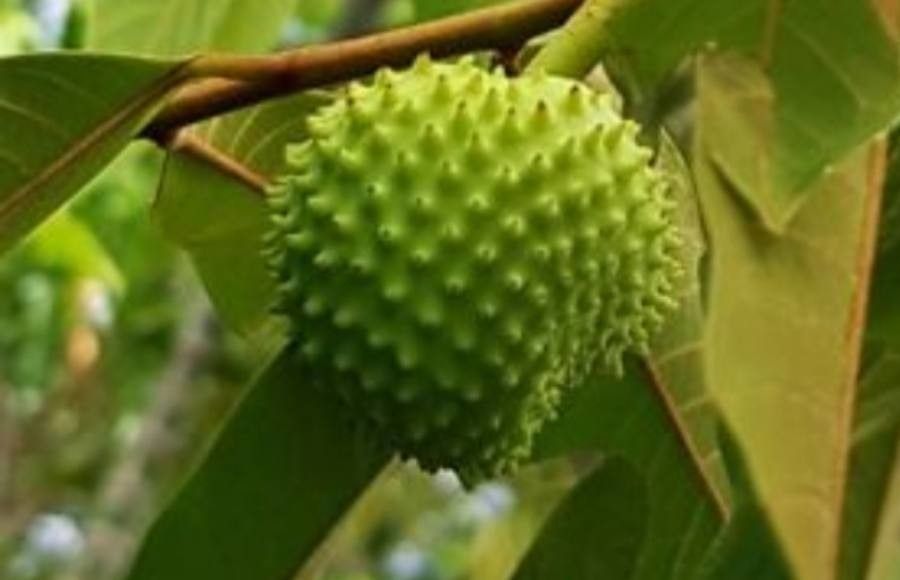
Hello fellow plant enthusiasts! If you’re drawn to the lush, tropical beauty of Annona paludosa, often called the “swamp custard apple,” you’re in for a treat. Its unique charm and the promise of delicious fruit make it a truly rewarding plant to grow. And the good news? Propagating it can be a wonderfully satisfying endeavor, though I’ll be honest, it might lean a little towards the “intermediate” side rather than a true beginner’s walk in the park. But with a little care and patience, you’ll be well on your way!
The Best Time to Start
For the highest success rates with Annona paludosa, spring and early summer are your best friends. This is when the plant is actively growing and has lots of energy to push out roots. Look for stems that are firm but still flexible – not too woody and not too soft. Think of a pencil in thickness, and snap a new shoot; it should have a nice “snap” to it.
Supplies You’ll Need
To get started on your propagation journey, gather these essentials:
- Sharp, clean pruning shears or a razor blade: Sterilize them with rubbing alcohol to prevent disease.
- A well-draining potting mix: I prefer a blend of peat moss or coir, perlite, and a little bit of sand. You want something that doesn’t hold too much moisture.
- Small pots or seed trays: Make sure they have drainage holes!
- Rooting hormone powder or gel: This isn’t strictly essential for all Annona species, but it can give your cuttings a significant boost.
- A clear plastic bag or a propagation dome: This will help create a humid environment for your cuttings.
- Watering can with a fine rose or a spray bottle.
- Optional: A heat mat.
Propagation Methods
Let’s dive into the most common and effective ways to multiply your Annona paludosa.
Stem Cuttings
This is my go-to method for Annona propagation.
- Take your cuttings: Select healthy, semi-hardwood stems from your mature plant. Aim for pieces about 4-6 inches long. Make your cuts just below a leaf node, which is where roots tend to form more readily.
- Prepare the cuttings: Gently remove the lower leaves, leaving just a few at the top. This prevents them from rotting in the soil. If the remaining leaves are very large, I like to cut them in half to reduce water loss.
- Apply rooting hormone: Dip the cut end of each stem into your rooting hormone powder or gel, ensuring it’s coated. Tap off any excess.
- Plant the cuttings: Fill your small pots with your prepared potting mix. Make a hole with a pencil or your finger and insert the cutting, firming the soil gently around it.
- Water gently: Water them in thoroughly but avoid waterlogging the soil.
- Create humidity: Place the pots inside a clear plastic bag, sealing it loosely at the top, or cover them with a propagation dome. You can also just loosely tent with a plastic bag.
- Provide light and warmth: Place the pots in a bright location that doesn’t receive direct, intense sunlight. A little warmth from a heat mat can really speed things up.
Water Propagation (Use with Caution!)
While some plants root beautifully in water, Annona paludosa can be a bit fussier. If you try this, be patient and pay close attention.
- Prepare the cuttings: Follow steps 1 and 2 from the stem cuttings method.
- Place in water: Put the cuttings in a clean jar or vase filled with room-temperature water.
- Change water regularly: This is crucial! Change the water every 2-3 days to keep it fresh and prevent bacterial growth.
- Monitor root development: You’re looking for small, white roots to emerge. Once they’re about an inch long, carefully transplant them into your well-draining potting mix as described in the stem cutting method, keeping the soil consistently moist for the first few weeks.
The “Secret Sauce” (Pro Tips)
Here are a couple of tricks I’ve learned over the years that can make a big difference:
- The “Heel” Trick: Sometimes, taking a cutting that includes a small piece of the parent stem, almost like a sliver of bark, can encourage faster rooting. It’s like giving the cutting a head start.
- Tap Water vs. Filtered: I’ve found that for Annona paludosa, using tap water that’s been left out for 24 hours to let the chlorine dissipate often works better than filtered water. It seems to have a beneficial mineral content for these tropical beauties.
- Bottom Heat is Your Friend: Seriously, if you can swing it, a gentle bottom heat from a seedling mat makes a world of difference. It encourages root formation from the soil up, giving your cuttings the energy they need.
Aftercare & Troubleshooting
Once you start seeing signs of life – new leaf growth is a great indicator – it’s time to ease them into their new lives.
- Gradual Acclimatization: Slowly remove the plastic bag or dome over a week or so to help your new plants adjust to normal humidity levels.
- Watering: Continue to keep the soil consistently moist but not soggy. Let the top inch of soil dry out slightly between waterings.
- Repotting: Once your baby Annona has a decent root system (you might see roots peeking out of the drainage holes), you can transplant it into a slightly larger pot with fresh potting mix.
Now, let’s talk about what might go wrong.
- Rotting Cuttings: If your cuttings turn mushy and black, it’s usually a sign of too much moisture and poor air circulation. Make sure your mix is well-draining and consider increasing ventilation.
- Wilting: A little wilting is normal after potting, but if it persists and the leaves look limp and yellow, it could be shock from transplanting or an issue with watering. Double-check moisture levels.
- No Roots: Patience is key! Some Annona can take several weeks, even a couple of months, to root. If you’ve done everything right and still see nothing after a good while, the cutting might have just not been viable. Don’t get discouraged!
A Warm Encouragement
Propagating any plant is a journey of observation and a little bit of educated guesswork. With Annona paludosa, the joy of multiplying your own tropical treasure is absolutely worth the effort. Don’t be afraid to experiment, and remember that each attempt teaches you something new. Enjoy the process, celebrate every little success, and happy growing!
Resource:
https://identify.plantnet.org/k-world-flora/species/Annona%20paludosa%20Aubl./data