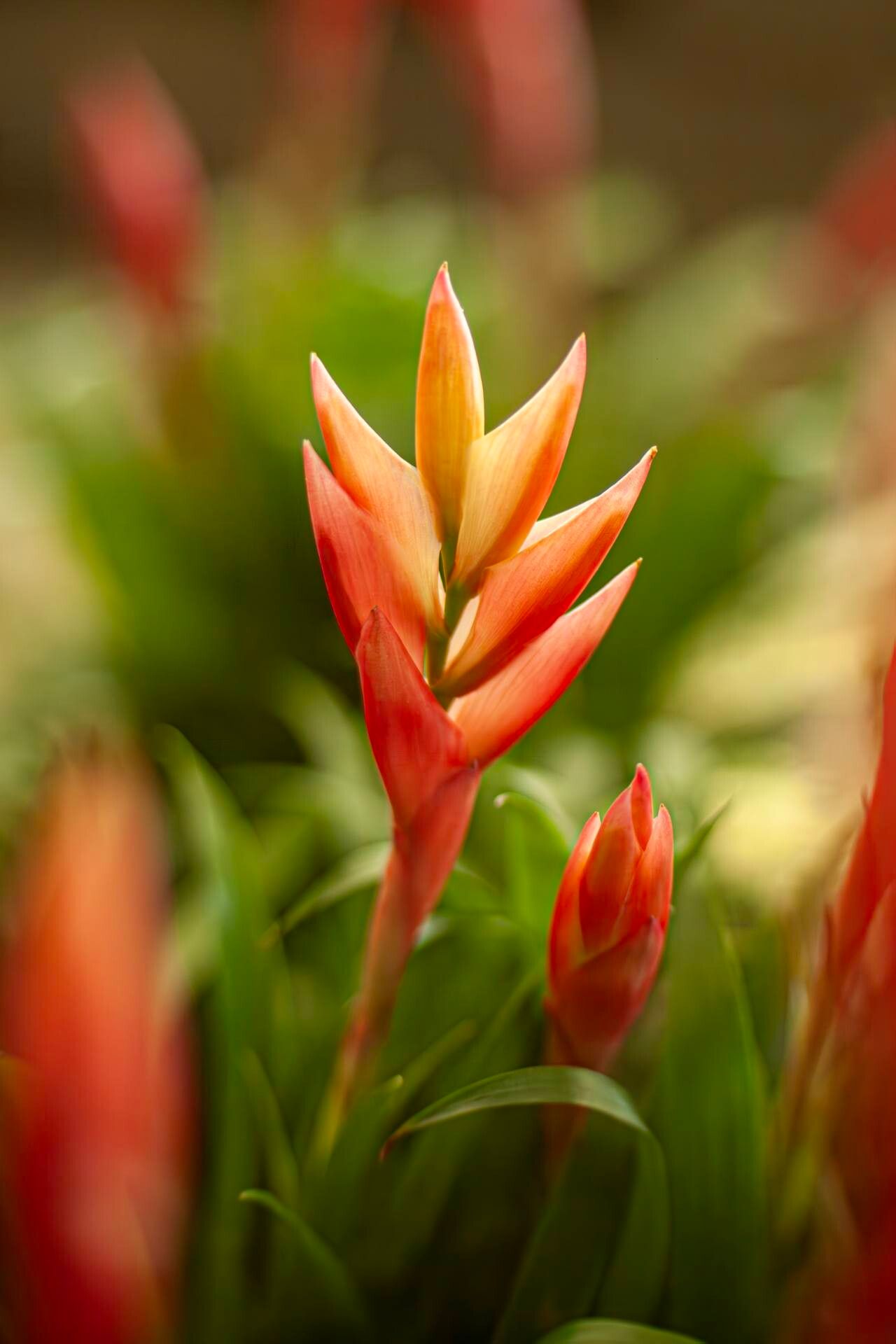
Oh, hello there! Come on in and pull up a chair. I’ve been just itching to talk about Machilus thunbergii with you. You might know it as Japanese Bay, or sometimes simply Machilus. It’s a gorgeous evergreen, with glossy, leathery leaves and a wonderfully fragrant wood – a truly delightful addition to any garden, if you ask me.
Propagating these beauties is a mission of love, and incredibly rewarding. Watching a tiny cutting transform into a thriving young tree? There’s really nothing quite like it. Now, I won’t lie and say it’s as easy as whipping up a batch of cuttings from a petunia, but it’s certainly achievable, especially if you follow a few key steps. Don’t be intimidated; think of it as a delightful gardening puzzle!
The Best Time to Start
Timing is everything in my book! For Machilus thunbergii, the golden window for propagation is typically in the early summer. Think late May through July, when the plant is actively growing and has plenty of energy to put into rooting. You’re looking for new, semi-hardwood growth. Young, flexible shoots that have started to firm up a bit but aren’t yet woody and brittle are your best bet. Avoid very soft, leafy tips, or old, tough wood.
Supplies You’ll Need
Gathering your tools before you begin makes the whole process so much smoother. Here’s what I usually have on hand:
- Sharp Pruning Shears or a Craft Knife: For clean cuts, which are crucial.
- Rooting Hormone: A good quality powder or gel will significantly boost your success rate.
- A Well-Draining Potting Mix: I love a blend of perlite, peat moss, and a bit of coarse sand. You want it to drain like a sieve. Avoid heavy garden soil.
- Small Pots or Trays: Clean pots are a must to prevent disease.
- Plastic Bags or a Propagator: To create a humid environment around your cuttings.
- A Soft Brush: For gently applying rooting hormone.
- Watering Can or Spray Bottle: For gentle watering.
Propagation Methods: Stem Cuttings
Stem cuttings are my go-to for Machilus thunbergii. It’s usually the most straightforward and successful method.
- Take Your Cuttings: On a cool, overcast morning (or in the late afternoon), select a healthy stem from your mother plant. Cut a piece about 4-6 inches long. Make your cut just below a leaf node – that’s where the roots are most likely to form.
- Prepare the Cuttings: Gently remove the lower leaves, leaving just 2-3 leaves at the top. If the remaining leaves are very large, you can trim them in half horizontally to reduce water loss.
- Apply Rooting Hormone: Dip the cut end of each stem into your rooting hormone, tapping off any excess. A light coating is all you need.
- Plant Your Cuttings: Fill your clean pots with your prepared potting mix. Make a small hole with a pencil or your finger, and carefully insert the cut end of the stem. Gently firm the soil around it to ensure good contact with the hormone and the soil.
- Water Gently: Water the soil thoroughly but gently. You don’t want to dislodge the cuttings.
The “Secret Sauce”
Over the years, I’ve learned a few little tricks that can make a big difference. These are the things that make me nod and think, “Ah yes, that’s why it worked!”
- Don’t let the leaves touch the water: If you’re propagating in water (though I find cuttings achieve better root systems in soil for Machilus), this is a golden rule. As soon as submerged leaves start to decay, they release ethylene gas, which tells the plant it’s time to die, not grow roots. Same goes for soil – if lower leaves are buried or bunching up, they can rot.
- Bottom Heat is Your Friend: Especially if your propagation area is a bit on the cool side, a bit of gentle bottom heat from a seedling heat mat can really encourage root development. It mimics the soil temperature in summer and gives those roots a nudge in the right direction. Just a few degrees warmer than your ambient temperature is perfect.
Aftercare & Troubleshooting
Once your cuttings are planted, it’s all about patience and providing the right conditions. Keep them in a bright spot, but out of direct, scorching sunlight. The key here is consistent moisture, but not waterlogged! Your plastic bag or propagator lid will help keep humidity high.
You’ll know roots are forming when you gently tug on a cutting and feel resistance. This can take anywhere from 4 weeks to a few months. Once you see good root development, you can start acclimating them to less humid conditions by opening the propagator or bag a little each day for a week. Then, pot them up into slightly larger individual pots.
The most common pitfall is rot. If a cutting turns brown and mushy, or you see grey mold, it’s usually a sign of too much moisture and not enough air circulation. Don’t be disheartened! It happens to everyone. Just discard the rotted cuttings and try again, perhaps with a less dense soil mix or more ventilation. Yellowing leaves can sometimes mean they’re missing nutrients, but often it’s just the plant adjusting. Focus on root development first.
A Little Encouragement
So there you have it! Propagating Machilus thunbergii is a journey, not a race. Be patient with your little green charges. Sometimes they take their sweet time, and that’s perfectly okay. Enjoy the process, learn from each attempt, and soon enough, you’ll have a little forest of your own delightful Machilus trees grown from your very own hands. Happy propagating!
Resource:
https://identify.plantnet.org/k-world-flora/species/Machilus%20thunbergii%20Siebold%20&%20Zucc./data