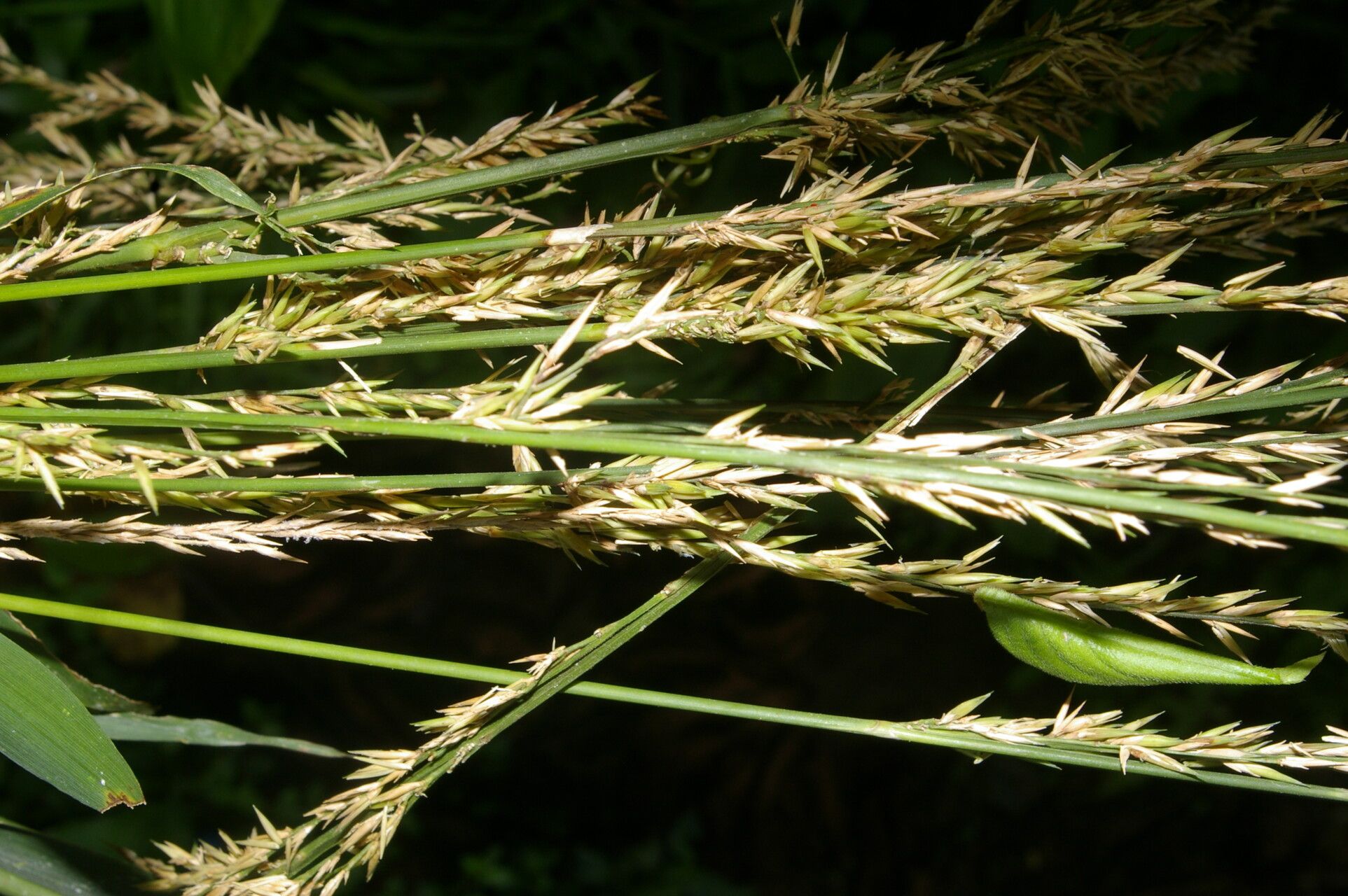
Oh, I’m so glad you’re interested in Chusquea patens! This graceful bamboo, with its elegant, upright canes and delicate foliage, brings such a lovely sense of calm and movement to any garden. It truly is a joy to watch it sway in the breeze. Propagating it yourself is incredibly rewarding. It’s not the absolute easiest plant to multiply for a total beginner, but with a little patience and these pointers, you’ll be well on your way to success.
The Best Time to Start
For Chusquea patens, I’ve found that the late spring or early summer is your golden window. This is when the plant is actively growing and has built up plenty of energy. You’ll be looking for new, vigorous shoots that are firm but not yet woody. Think of it as the plant’s “growth spurt” time – prime for taking cuttings.
Supplies You’ll Need
Here’s what I always have on hand when I’m propagating Chusquea:
- Clean, sharp pruning shears or secateurs: A dull tool will crush the delicate tissues, making it harder for the cutting to root.
- Rooting hormone powder or gel: This isn’t essential for every plant, but for bamboos, it definitely gives your cuttings a boost.
- A well-draining potting mix: I like to use a blend of equal parts perlite, coarse sand, and a good quality seed-starting mix. This provides aeration and prevents waterlogging, which is key.
- Small pots or trays: Clean containers are a must to prevent disease.
- A clear plastic bag or propagator lid: This helps maintain humidity, creating a mini greenhouse environment for your cuttings.
- Watering can with a fine rose: Gentle watering is crucial.
- (Optional but recommended) A heat mat: This can significantly speed up rooting by providing gentle warmth from below.
Propagation Methods
Let’s dive into the most reliable ways to multiply your Chusquea patens.
Stem Cuttings: The Most Common Route
This is my go-to method.
- Select your cutting: Look for a healthy, non-flowering stem that’s about 6-12 inches long. You want a section with at least two to three nodes (the points where leaves emerge).
- Make the cut: Using your clean shears, make a clean cut just below a node. This is where new roots are most likely to form. Remove the bottom leaves, leaving just one or two at the very top. If the leaves are large, you can even cut them in half to reduce water loss.
- Apply rooting hormone: Dip the cut end of the stem into your rooting hormone, tapping off any excess. This helps stimulate root development.
- Plant your cutting: Fill your small pots with your prepared potting mix. Make a small hole with your finger or a pencil, and gently insert the cutting, ensuring the nodes are below the soil surface. Firm the soil gently around the stem.
- Water gently: Water thoroughly but carefully, so you don’t dislodge the cutting.
- Create humidity: Place the pot inside a clear plastic bag or cover it with a propagator lid. Make sure the leaves aren’t touching the plastic if possible.
- Find a warm, bright spot: Place your cuttings in a location that gets bright, indirect light. Avoid direct sun, which can scorch the young cuttings.
Division: For a Mature Plant
If your Chusquea patens is already a good size and starting to look a bit crowded, division is an excellent option.
- Prepare the plant: Water your mature plant a day or two before you plan to divide it. This helps the root ball stay intact.
- Remove from pot (or root ball): Carefully tip the plant out of its pot or, if in the ground, dig around the root ball and gently lift it out.
- Gently tease apart: Examine the root ball. You’re looking for natural divisions where you can gently separate sections of the plant, ensuring each section has both roots and some stems or culms. You can use your hands, or if it’s very dense, a clean, sharp spade or knife might be needed.
- Pot up: Pot each division into its own container with fresh, well-draining potting mix, just as you would a newly purchased plant.
- Water and provide shade: Water well and place the newly divided plants in a spot with partial shade for a few weeks to help them recover.
The “Secret Sauce” (Pro Tips)
Here are a couple of things I’ve learned over the years that really make a difference.
- Avoid direct contact with water: When doing stem cuttings, if your leaves or stems are submerged in standing water (like if you were trying water propagation, which is less common for bamboos), it can lead to rot. For stem cuttings in soil, just ensure the leaves themselves aren’t wicking moisture from a waterlogged base. Keep the soil moist, not soggy.
- Bottom heat is your friend: For stem cuttings, placing your pots on a gentle heat mat set to around 70-75°F (21-24°C) can dramatically speed up root formation. It mimics the warmth of spring soil.
Aftercare & Troubleshooting
Once you see signs of new growth, like tiny leaves emerging or the cutting perking up significantly, that’s a great indicator that roots are forming.
- Gradually acclimate: Start by opening the plastic bag or propagator lid for a few hours each day, slowly increasing the time over a week or two. This helps the new plant adjust to normal humidity levels.
- Keep it moist, not wet: Continue to water regularly, but again, don’t let it sit in water. The new roots are delicate and susceptible to rot.
- Watch for rot: The biggest enemy is fungal rot. If your cutting turns black and mushy, it’s likely a goner. This usually happens due to overwatering, poor drainage, or insufficient air circulation. If you see any signs on a stem, it’s best to discard it to prevent it from affecting other cuttings.
- Be patient: Rooting can take anywhere from 4 to 8 weeks, sometimes even longer. Don’t be tempted to pull them up to check for roots; trust the process!
A Encouraging Closing
Gardening is all about patience and observation, isn’t it? Propagating Chusquea patens is a wonderful way to get to know your plant more intimately and to share its beauty with others. Don’t be discouraged if your first attempts aren’t perfect. Every gardener has lost a cutting or two! Just keep trying, enjoy the process of nurturing these new little lives, and before you know it, you’ll have a whole grove of your own. Happy propagating!
Resource:
https://identify.plantnet.org/k-world-flora/species/Chusquea%20patens%20L.G.Clark/data