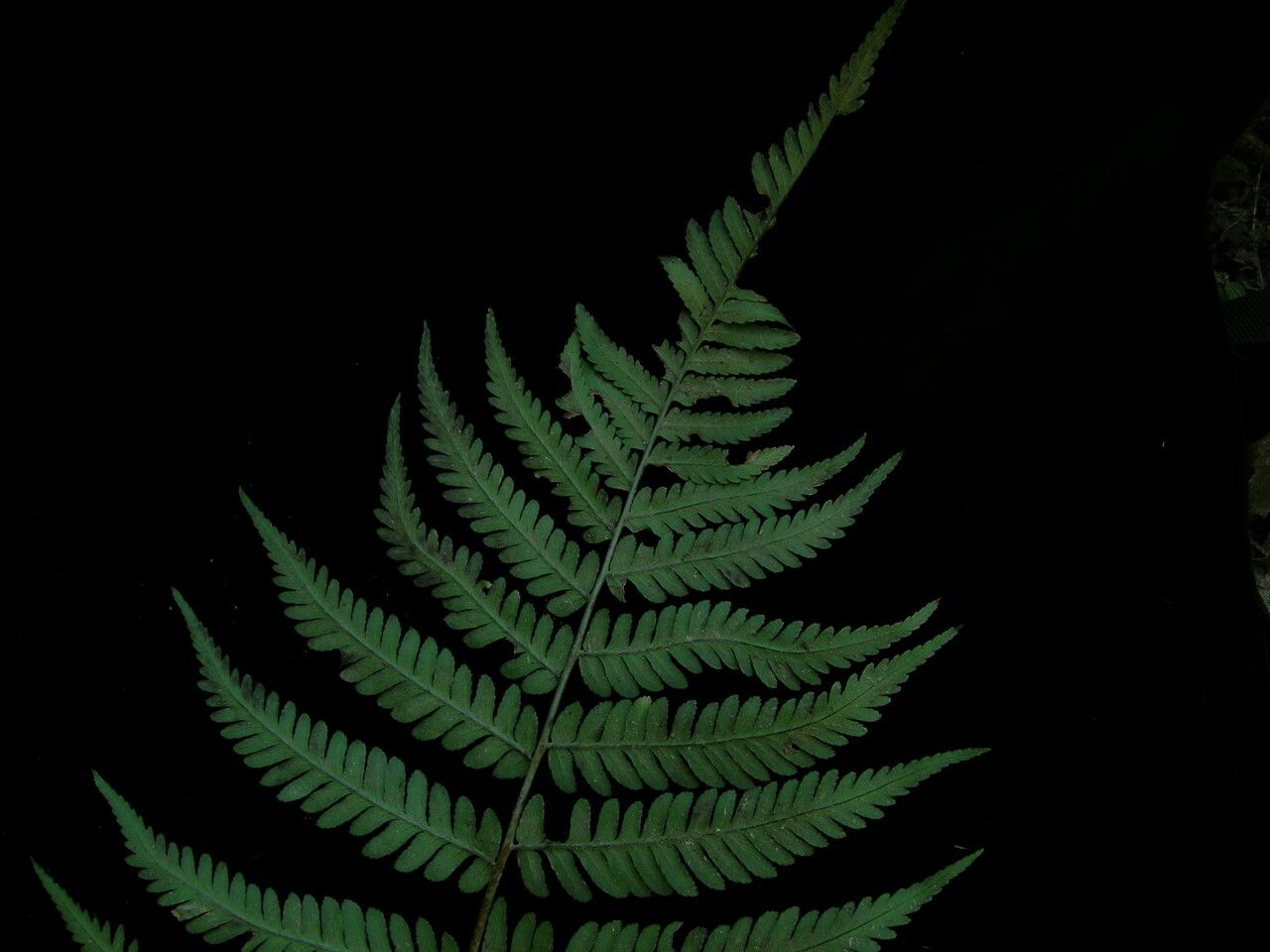
Hey there, fellow plant lovers! I’m so excited to chat with you today about a fern that’s truly captured my heart: Dryopteris cochleata, sometimes affectionately called the cochlea fern. It’s got these beautifully architectural fronds, a deep, glossy green, and a certain elegance that just makes you smile. Plus, the thrill of growing your own from scratch? Absolutely makes it worthwhile.
Now, is Dryopteris cochleata a beginner-friendly propagation project? To be honest, it leans a little towards the intermediate side. It’s not incredibly fussy, but getting it just right rewards a bit of patience and observation. But don’t let that deter you! With a little guidance, you can absolutely coax new life from your existing plants.
The Best Time to Start
For Dryopteris cochleata, the absolute sweet spot for propagation is spring, as new growth is really starting to emerge. You want to catch your fern when it’s actively pushing out energy to grow. This often means late March through May, depending on your climate. Trying to propagate when the plant is dormant will yield much lower success rates, so just wait for that first hint of vibrant green unfurling.
Supplies You’ll Need
Here’s what I always have on hand when I’m getting ready to propagate ferns:
- Sharp Pruning Shears or a Clean Knife: Essential for making clean cuts.
- Rooting Hormone (Optional but Recommended): A powder or gel can significantly boost your chances.
- Well-Draining Potting Mix: I usually go with a mix of equal parts peat moss, perlite, and a general potting soil. For ferns, a bit of extra perlite is always a good idea.
- Small Pots or Seed Trays: Whatever you have that’s a good size for individual divisions or cuttings. Make sure they have drainage holes!
- Watering Can or Spray Bottle: Gentle watering is key.
- Plastic Bag or Clear Dome: To create a humid microclimate.
- Labels and a Permanent Marker: So you don’t forget what you planted where!
Propagation Methods
Dryopteris cochleata is primarily propagated through division, which is my personal favorite for this fern.
Division: The Most Reliable Way
This is essentially splitting your existing fern into smaller, manageable pieces, each with its own roots and at least one healthy frond.
- Gently Remove the Parent Plant: Carefully take your Dryopteris cochleata out of its pot. If it’s large, you might need to tip the pot and gently tap it.
- Inspect the Root Ball: Loosen any tightly bound roots. You’re looking for natural breaks where the plant seems to want to separate.
- Divide with Care: Using your clean hands or a gentle wiggle and pull, try to separate the root ball into sections. If it’s stubborn, a sharp, clean knife or trowel can help make a decisive cut. Each division should have a good chunk of roots and at least one or two healthy-looking fronds.
- Pot Up Your Divisions: Fill your small pots with your well-draining potting mix. Make a little hole in the center and place your new division in, ensuring the crown (where the fronds emerge from the roots) is at soil level.
- Water Thoroughly: Water gently but thoroughly until water drains from the bottom. This helps settle the soil around the roots.
Sporulation (Less Common for Home Gardeners)
While ferns reproduce via spores, this method is a bit more niche and takes significantly longer. You’ll need to collect mature spores from the underside of a frond, sterilize them, and sow them on a sterile medium in a very controlled environment. For Dryopteris cochleata, division is far more straightforward and quicker for getting new plants.
The “Secret Sauce” (Pro Tips)
- Don’t Bury the Crown: This is crucial for divisions. The crown is where new growth emerges. If you plant it too deep, it’s prone to rot. Keep it right at the soil surface.
- Embrace the Humidity: Ferns love moisture, and so do their cuttings when rooting. After potting your divisions, I like to tent a clear plastic bag loosely over the pot or place the pots inside a humidity dome. This creates a lovely, steamy environment that encourages root development and prevents the fronds from drying out. Just make sure it’s not so tight that it traps stagnant air.
- The Gentle Touch Post-Division: After dividing, your new plants will be a bit stressed. Avoid direct sunlight, which can scorch their delicate new growth. Bright, indirect light is perfect. Also, hold off on any feeding for at least 4-6 weeks until they’ve clearly established themselves.
Aftercare & Troubleshooting
Once your divisions are potted up, keep that humidity high and the soil consistently moist, but not waterlogged. You should start to see signs of new growth, like tiny unfurling fiddleheads, within a few weeks to a couple of months.
The biggest challenge you might face is rot. If you see your fronds turning yellow and mushy, or the base of the plant becoming soft and brown, it’s usually a sign of too much moisture and not enough air circulation. In this case, you might need to pull the division, trim away any rotten parts, and repot in fresh, drier mix, then adjust your watering schedule. Another sign of distress can be wilting, but with ferns, give them a chance to perk up in their humid environment before assuming the worst.
A Little Patience Goes a Long Way
Propagating Dryopteris cochleata is a rewarding journey. Observe your plant, provide it with the right conditions, and trust the process. Each new frond that unfurls from a division you’ve made is a little triumph. So grab your tools, get your hands a little dirty, and enjoy the magic of growing more of these beauties! Happy gardening!
Resource:
https://identify.plantnet.org/k-world-flora/species/Dryopteris%20cochleata%20(D.Don)%20C.Chr./data