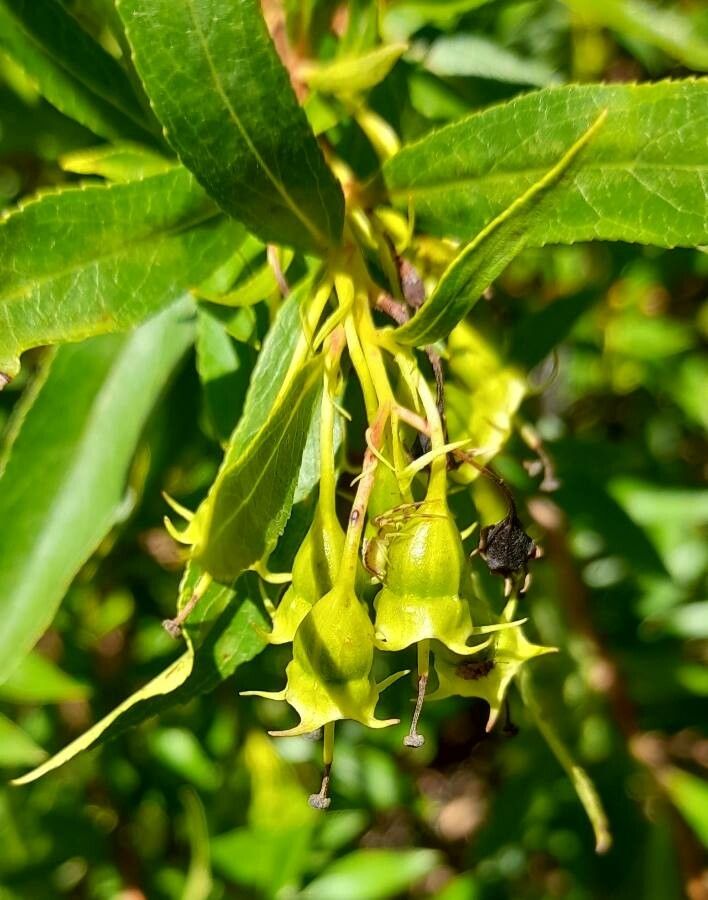
Oh, Escallonia cordobensis! Isn’t it just a darling? I’ve always loved its glossy, leathery leaves and those delicate pink blossoms that seem to just burst with charm. And the scent! It’s subtle but so lovely on a warm day. If you’ve got one of these beauties in your garden, you know how special they are. The thought of creating more of them yourself? That’s truly rewarding. It’s also a fantastic way to ensure you always have a bit of that Escallonia magic around.
For those of you just dipping your toes into the wonderful world of plant propagation, you’ll be happy to hear that Escallonia cordobensis is generally quite accommodating. It’s not one of those finicky plants that requires a degree in botany to get started. I’d say it’s a pretty good plant for beginners to practice their green thumb with!
The Best Time to Start
When do these lovelies feel most like having babies? For Escallonia, I find the late spring to early summer is your golden window. This is when the plant is in its active growing phase, and the new growth is tender enough to root easily, but firm enough to hold its shape. You want to be looking for stems that have grown this season – they’ll snap cleanly rather than bend. Avoid trying to propagate from old, woody growth; that’s a recipe for disappointment.
Supplies You’ll Need
Gathering your tools before you begin makes the whole process so much smoother. Here’s what I usually have on hand:
- Sharp Pruning Shears or a Craft Knife: For clean cuts. Dull tools can crush stems, making it harder for them to root.
- Small Pots or Seed Starting Trays: Clean ones are a must! I prefer terracotta for good drainage, but plastic works well too.
- Well-Draining Potting Mix: A good quality seed starting mix or a blend of perlite and peat moss (about a 1:1 ratio) works wonders. You want it to drain freely so the cuttings don’t sit in soggy soil.
- Rooting Hormone (Optional but Recommended): This little helper significantly increases your chances of success. Powder or gel works fine.
- Plastic Bags or a Propagator: To create a humid environment for your cuttings.
- Water Mister: For keeping the leaves and soil moist.
- Labels and a Permanent Marker: To keep track of what you’ve planted and when.
Propagation Methods
Escallonia cordobensis is wonderfully amenable to stem cuttings. It’s my go-to method, and I’ve found it yields the best results.
- Take Your Cuttings: Head out to your Escallonia in late spring or early summer. Look for healthy, non-flowering shoots from the current year’s growth. You want pieces that are about 4-6 inches long. Make your cut just below a leaf node (where the leaf attaches to the stem). A clean cut is key here!
- Prepare the Cuttings: Gently remove the leaves from the bottom half of each cutting. You don’t want any leaves submerged in the soil or water, as they’ll just rot. If your cuttings have any flowers or flower buds, pinch those off too. They’re energy drainers!
- Apply Rooting Hormone (if using): Dip the cut end of each stem into your rooting hormone, tapping off any excess. This gives them a little boost!
- Plant Your Cuttings: Fill your small pots or trays with your prepared, moist potting mix. Make a small hole with your finger or a pencil. Insert the cut end of each cutting into the hole, ensuring it’s firm and upright. Gently firm the soil around the base of the cutting.
- Create a Humid Environment: This is important! Water your cuttings gently with your mister. Then, cover the pots with a clear plastic bag or place them inside a propagator. You want to trap moisture around the leaves. Make sure the leaves aren’t touching the plastic if possible; you can use little sticks to prop it up.
- Find the Right Spot: Place your pots in a bright spot that receives indirect sunlight. Direct sun will scorch those tender cuttings. A warm windowsill is usually perfect.
Water Propagation: While I prefer soil for Escallonia, you can try water propagation. For this, you’d still prepare the cuttings as above, but instead of planting them in soil, place the bottom few inches in a jar or glass of clean water. Crucially, ensure that no leaves are touching the water. Change the water every few days to keep it fresh. Once you see roots forming (usually after a few weeks), you can then pot them up into soil as you would a soil-propagated cutting.
The “Secret Sauce” (Pro Tips)
Now, for a couple of little tricks I’ve learned over the years that can make a big difference:
- Bottom Heat is Your Friend: If you have a space that’s a bit cooler, or you want to speed things up, placing your pots on a gentle seedling heat mat can really encourage root development. Just make sure it’s not too hot – think of it as a warm hug, not a sauna!
- Don’t Disturb Them Too Soon: I know it’s tempting to poke and prod to see if there are roots, but resist! Wait at least 4-6 weeks before gently tugging on a cutting. If you feel resistance, that’s a good sign roots are forming. If it pulls out easily, it hasn’t rooted yet.
- Cleanliness is Next to Godliness: I can’t stress this enough. Make sure your tools, pots, and even your hands are squeaky clean before you start, especially when dealing with cuttings. This prevents the introduction of any nasty bacteria or fungi that can cause rot.
Aftercare & Troubleshooting
Once you gently feel that resistance when tugging on your cutting, or you can see roots poking out the bottom of the pot, congratulations! Your Escallonia has rooted.
Continue to keep the soil consistently moist but not waterlogged. You can gradually start to acclimate your new plants to drier air by opening the plastic bag or propagator for longer periods over a week or two. Once they seem robust and are growing new leaves, you can transplant them into slightly larger pots or their final garden location.
What if things go wrong? The most common culprit is rot. If your cutting turns black and mushy, it’s likely been too wet or has developed a fungal infection. This is usually a sign that the conditions were too damp, or perhaps the soil wasn’t draining well enough. Don’t be discouraged; just tidy up, clean your pots, and try again with fresh cuttings and a slightly drier mix. Sometimes, a cutting just won’t take, and that’s okay. It’s all part of the learning curve!
A Encouraging Closing
So there you have it! Propagating Escallonia cordobensis is a rewarding journey, and with a little patience and these tips, you’ll be well on your way to filling your garden with these delightful plants. Enjoy the process, celebrate every little success, and don’t be afraid to experiment. Happy gardening!
Resource: