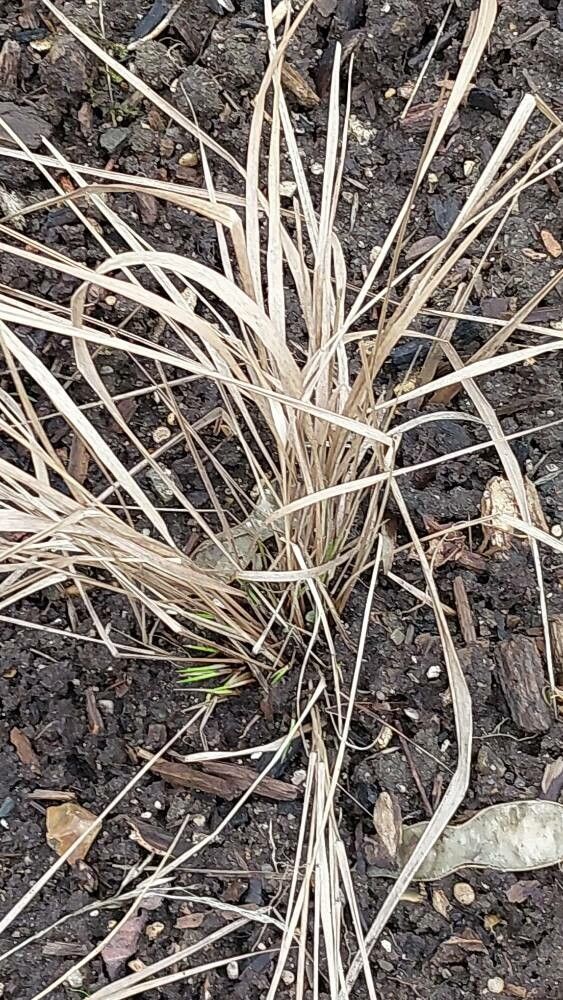
Oh, Achnatherum pekinense, isn’t it just a marvel? I still remember the first time I saw it gracing a garden, its delicate, feathery plumes dancing in the breeze. It brings such an elegant, almost ethereal quality to any space. And the best part? Growing more of this beauty from your existing plants is so incredibly satisfying.
If you’re new to the wonderful world of plant propagation, I have great news: Achnatherum pekinense is generally quite forgiving. While all plants have their quirks, this one tends to be a pretty good sport, making it a lovely choice for those just dipping their toes into the propagation pond.
The Best Time to Start
For the highest success rate, I always aim to begin propagating Achnatherum pekinense in late spring or early summer. This is when the plant is actively growing and has plenty of energy to put into developing new roots. You’ll want to work with healthy, vigorous specimens. Avoid trying to propagate from plants that look stressed or are just waking up for the season.
Supplies You’ll Need
To get your propagation station set up, here’s a handy list of what you’ll want to have on hand:
- Sharp, clean pruning shears or a sharp knife: Essential for clean cuts to avoid damaging the plant.
- Rooting hormone (optional but recommended for cuttings): This little helper can significantly boost your chances of root development.
- Appropriate potting mix: A well-draining mix is key. I like to use a blend of equal parts peat moss (or coco coir) and perlite, with a touch of compost.
- Small pots or propagation trays: Clean containers are a must to prevent disease.
- Watering can with a fine rose or spray bottle: Gentle watering is crucial.
- Plastic bags or propagation dome (optional): To create a humid environment for cuttings.
- Marker and labels: To keep track of what you’ve planted and when.
Propagation Methods
Achnatherum pekinense is most commonly and successfully propagated through division. While you could try stem cuttings, division is the most straightforward and reliable method for this particular grass.
Division: The Surefire Way
This is where you’ll get the most bang for your buck with Achnatherum pekinense. It’s essentially like giving your plant a little haircut and a fresh start.
-
Dig Up the Plant: In your chosen propagation window (late spring/early summer), dig up the entire Achnatherum pekinense clump. Gently loosen the soil around the edges of the root ball.
-
Clean the Roots: Carefully shake off excess soil from the roots. This makes it easier to see where the natural divisions are.
-
Divide the Clumps: This is the fun part! You can do this by hand, gently pulling the root ball apart. If the roots are a bit stubborn, use your clean pruning shears or a sharp trowel to cut through the root mass. Aim for divisions that are roughly fist-sized and have both roots and some top growth.
-
Replant Immediately: Don’t let your divisions sit around drying out. Immediately replant them into your prepared pots or directly into their new garden spots. Make sure they have plenty of space to grow.
-
Water Thoroughly: Give your newly divided plants a good, long soak to settle the soil and help reduce transplant shock.
The “Secret Sauce” (Pro Tips)
Now, let’s talk about those little tricks that make all the difference.
- My absolute favorite tip for division is to always look for healthy, undamaged roots on your divisions. If a section looks weak or diseased, it’s better to discard it. You’re aiming for strong new plants, so start with the best you’ve got.
- When replanting, especially if they’re going straight into the ground, give them a little extra buffer space than you might normally. This allows air to circulate better around the roots and helps prevent any early fungal issues.
- For divisions, I find that a light mulch after planting can really help retain moisture and keep them from drying out too quickly. Just be sure to keep the mulch a little away from the crown of the plant.
Aftercare & Troubleshooting
Once your new Achnatherum pekinense divisions are planted, consistent care is key.
- Watering: Keep the soil consistently moist but not waterlogged for the first few weeks. As they establish, you can gradually let them dry out a bit more between waterings, just like mature plants.
- Sunlight: Place your potted divisions in a spot that receives bright, indirect light. If they’re planted in the ground, ensure they’re in the appropriate sunlight conditions for Achnatherum pekinense (which is usually full sun).
- Signs of Trouble: The most common issue you might encounter is rot, often due to overwatering or poor drainage. If you see wilting that doesn’t perk up after watering, or mushy, discolored bases, you might have a rot problem. Remove affected parts immediately and ensure better drainage. Some browning of the tips can happen from transplant shock, but if it’s extensive and the plant looks generally unhappy, reassess your watering and light.
A Little Patience, A Lot of Reward
Watching a new plant unfurl its leaves and grow strong is one of the greatest joys in gardening. Be patient with your propagated Achnatherum pekinense. It might take a little time for them to fully settle in and show their true grace. But trust me, the feeling of success and having more of that beautiful feathery grass to enjoy is absolutely worth every moment. Happy propagating!
Resource:
https://identify.plantnet.org/k-world-flora/species/Achnatherum%20pekinense%20(Hance)%20Ohwi/data