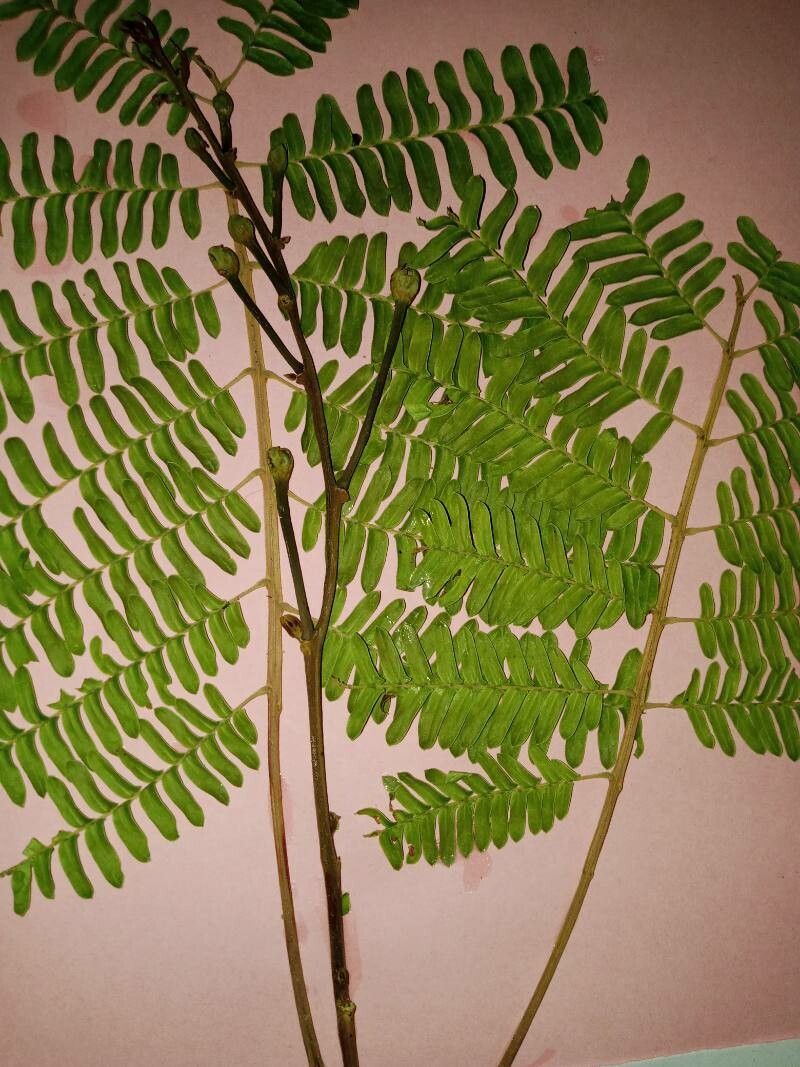
Oh, hello there! Come on in, have a seat. Let’s chat about a plant that’s truly captured my heart over the years: Combretum mooreanum. You know, the one with those absolutely stunning, vibrant orange-red flowers that just light up the garden. Growing more of these beauties from scratch? It’s incredibly satisfying, like nurturing a little bit of sunshine into existence. Now, I’ll be honest, Combretum mooreanum can be a tad particular, so while it’s doable for a beginner, prepare for a bit of a learning curve. But don’t let that deter you – with a little patience, you’ll be celebrating your own successes.
The Best Time to Start
For the highest chance of success, I always recommend focusing your propagation efforts during the active growing season. Think late spring or early summer. The plant is brimming with energy then, and the cuttings have a better chance of rooting quickly before the cooler weather sets in. You’re essentially borrowing that vigor.
Supplies You’ll Need
Here’s what you’ll want to have on hand before you get your hands dirty:
- Sharp Pruning Shears or a Sharp Knife: Cleanliness is key to preventing disease.
- Rooting Hormone: This is a real game-changer, especially for plants that can be a little reluctant to root.
- Potting Mix: A blend that drains well is crucial. I usually mix equal parts perlite and peat moss or a good quality seed-starting mix.
- Small Pots or Seed Trays: Whatever you have available, as long as they have drainage holes.
- Plastic Bags or a Propagation Dome: To create a humid environment.
- Watering Can with a Fine Rose: For gentle watering.
Propagation Methods
The most reliable way I’ve found to propagate Combretum mooreanum is through stem cuttings. It’s straightforward once you get the hang of it.
- Take Your Cuttings: In late spring or early summer, select healthy, non-flowering stems. Look for stems that are somewhat mature but still flexible – about pencil thickness is ideal. Using your sharp shears, take cuttings that are about 4-6 inches long. Make your cut just below a leaf node (where a leaf attaches to the stem).
- Prepare the Cuttings: Gently remove the lower leaves from the cutting, leaving just a couple of at the very top. This prevents them from rotting once you plant them.
- Apply Rooting Hormone: Dip the cut end of each stem into your rooting hormone. Give it a gentle tap to remove any excess.
- Plant the Cuttings: Fill your pots with your well-draining potting mix. Make a small hole in the center of the soil with your finger or a pencil. Insert the treated end of the cutting into the hole, making sure the nodes where you removed the leaves are buried in the soil. Gently firm the soil around the cutting.
- Create a Humid Environment: Water the soil thoroughly until it drains from the bottom. Then, cover the pots with a plastic bag, securing it with a rubber band, or place them under a propagation dome. This traps moisture and humidity, which is vital for root development.
The “Secret Sauce” (Pro Tips)
Now, for a couple of little tricks I’ve picked up over the years:
- Bottom Heat is Your Friend: If you can, place your cuttings on a heat mat designed for propagation. This little bit of warmth from below signals the plant to start producing roots more effectively. It’s not absolutely essential, but it definitely speeds things up.
- Don’t Let Those Leaves Touch the Soil: I know I mentioned it before, but it’s so important! Any leaves in contact with the soil are a prime spot for rot. Prune them off ruthlessly if they’re getting close.
- Air It Out Occasionally: While humidity is key, you don’t want stagnant air. Lift the plastic bag or open the dome for about 10-15 minutes each day to allow for some air circulation. This helps prevent fungal issues.
Aftercare & Troubleshooting
Once you see new growth appearing, that’s a good sign your cuttings are starting to establish themselves. You can gradually remove the plastic bag or dome over a few days to acclimatize them to normal humidity. Continue to water regularly, keeping the soil consistently moist but not waterlogged. You’ll know they’re properly rooted when you gently tug on them and feel resistance.
Now, what if things go wrong? The most common issue I see is rot. If your cuttings look mushy, black, or develop mold, it’s usually a sign that the environment is too wet or not well-ventilated enough. Unfortunately, if they rot, they’re usually a goner. Don’t get discouraged; just try again with fresh cuttings!
A Encouraging Closing
Propagating plants is a journey, and sometimes a bit of trial and error is part of the fun. Be patient with your Combretum mooreanum. Give them warmth, consistent moisture, and good light, and celebrate those tiny new beginnings. You’re creating life, and that’s a wonderful thing. Happy gardening!
Resource:
https://identify.plantnet.org/k-world-flora/species/Combretum%20mooreanum%20Exell/data