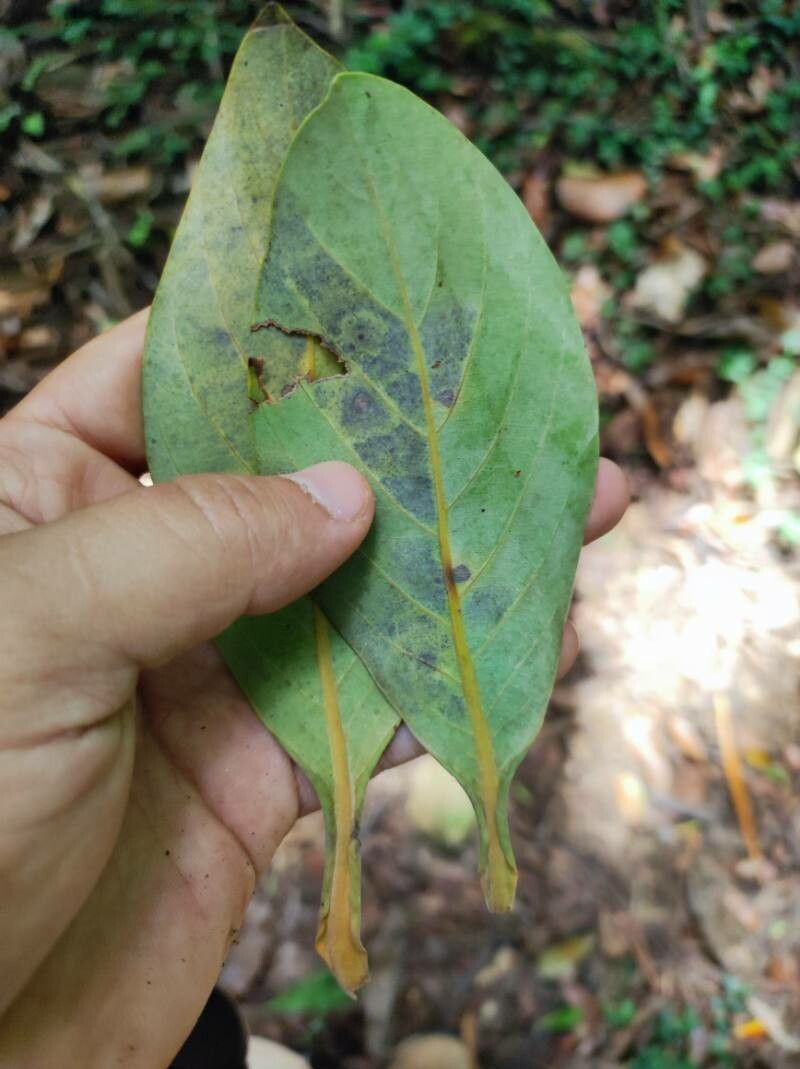
Hey there, fellow garden enthusiasts! I’m so excited to dive into a truly special plant with you today: Ocotea glaucosericea. If you’re captivated by its lush, silvery foliage and that subtle, delightful aroma it releases, then you’re in for a treat. Propagating this beauty is a fantastic way to fill your garden with more of its magic, or even share a piece with a friend. Now, I’ll be honest, Ocotea glaucosericea can be a bit of a diva when it comes to starting new plants. It’s not typically a beginner’s easiest starter, but with a little patience and attention, you absolutely can achieve success. The reward of seeing that tiny cutting develop into a robust new plant? Priceless.
The Best Time to Start
For the highest chance of success with Ocotea glaucosericea, I’ve found that late spring to early summer is your sweet spot. This is when the plant is in its most vigorous growth phase. You want to be taking cuttings from healthy, new, semi-hardwood growth. Think of it as gently snapping a young, but not entirely floppy, stem. Avoid any woody, old stems or brand-new, very soft shoots. That perfect in-between stage is what we’re aiming for.
Supplies You’ll Need
Before we get our hands dirty, let’s gather our essentials. It’s always good to have everything ready to go so you can work efficiently:
- Sharp Pruning Shears or a Knife: Cleanliness is key for preventing disease.
- Rooting Hormone: A powder or gel will give your cuttings a significant boost.
- A Well-Draining Potting Mix: I like a blend of perlite, coco coir, and a bit of seed-starting compost. You want it airy but also able to hold some moisture. Avoid heavy garden soil.
- Small Pots or Seedling Trays: Make sure they have drainage holes!
- Plastic Bags or a Clear Dome Lid: To create a humid environment.
- Watering Can with a Fine Rose: For gentle watering.
- Optional: Heat Mat: This can significantly speed up root development.
Propagation Methods
While Ocotea glaucosericea isn’t typically propagated by seed in casual gardening, stem cuttings are your go-to method. Let’s walk through it.
Stem Cuttings:
- Take the Cutting: Select a healthy stem that’s about 4-6 inches long. Make a clean cut just below a leaf node (where a leaf attaches to the stem). Remove the lower leaves, leaving just a few at the very top. This prevents them from rotting in the soil.
- Apply Rooting Hormone: Dip the cut end of the stem into your rooting hormone, coating it well. Tap off any excess. This step is crucial for this particular plant.
- Plant the Cutting: Fill your small pots with your prepared potting mix. Make a small hole with your finger or a dibber. Gently insert the cutting into the hole, ensuring the part with the rooting hormone is covered by the soil. Firm the soil gently around the cutting.
- Water Gently: Water thoroughly until you see water draining from the bottom of the pot.
- Create Humidity: Place the potted cutting inside a clear plastic bag, sealing it loosely, or cover it with a clear dome lid. You want to create a mini-greenhouse effect to keep humidity high around the leaves.
The “Secret Sauce” (Pro Tips)
Now for those little tricks that can make all the difference:
- Don’t Over-Water: This is a big one with cuttings. While they need moisture, soggy soil is a fast track to rot. Let the top inch of soil dry out slightly between waterings.
- Bottom Heat is Your Friend: If you have a heat mat, use it! Warming the soil from below encourages root formation much faster than room temperature alone, especially if your room is on the cooler side.
- Good Air Circulation (Eventually): Once your cuttings start to root, it’s important to gradually introduce them to normal air. Once a week, open the plastic bag for a few hours to get them used to it. This prevents fungal issues.
Aftercare & Troubleshooting
Once you see new leaf growth on your cuttings, that’s a fantastic sign that roots are forming! Don’t be too eager to pull it up and check, though. Give it a gentle tug – if there’s resistance, the roots are there.
If you notice your leaves wilting and turning yellow, or if the stem starts to feel mushy and rot away, these are signs of things going wrong. This is usually due to overwatering or a lack of airflow. If you suspect rot, unfortunately, that cutting is likely lost. Clean your pots thoroughly before trying again.
When your cuttings have a healthy root system and are showing good top growth, you can pot them up into slightly larger containers with your regular potting mix. They’ll still need some care, keeping them consistently moist but not waterlogged, and gradually acclimating them to more open air and eventually their permanent spot in the garden.
So there you have it! Propagating Ocotea glaucosericea might take a bit of practice, but the satisfaction of nurturing a new plant from a tiny piece of its parent is such a rewarding part of gardening. Be patient with yourself, observe your cuttings closely, and enjoy the journey. Happy growing!
Resource:
https://identify.plantnet.org/k-world-flora/species/Ocotea%20glaucosericea%20Rohwer/data