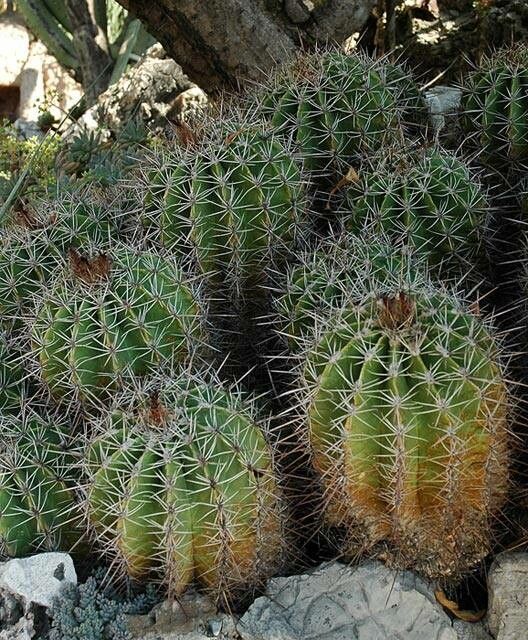
Hello fellow plant enthusiasts! It’s so lovely to have you here on the blog today. We’re going to dive into something truly special: propagating Ferocactus flavovirens. You know, those gorgeous barrel cacti with their vibrant colors and impressive stature? They bring such a wonderful sense of the desert to our homes and gardens. Growing them from scratch is immensely satisfying, a little project that feels like you’re unlocking a secret of nature. For beginners, I’d say Ferocactus flavovirens is a moderate challenge. It’s not as fuss-free as some succulents, but with a little care and attention, you’ll be rewarded with new life.
The Best Time to Start
My personal favorite time to get started with propagation is during the active growing season. For most cacti, this means late spring through early summer. The days are longer, the temperatures are warmer, and the plant has plenty of energy to put into healing and rooting. You’ll find that cuttings taken during this period are much more eager to establish themselves.
Supplies You’ll Need
Here’s what I always have on hand when it’s time to propagate:
- Sharp, sterilized pruning shears or a clean knife: You want to make a clean cut to prevent disease.
- Rooting hormone powder (optional, but helpful): It gives cuttings a little boost.
- A well-draining soil mix: I love a mix of equal parts perlite, coarse sand, and commercial cactus/succulent mix. It’s crucial for preventing rot.
- Pots or trays: Terracotta pots are great because they breathe well.
- A spray bottle: For gentle watering.
- Gravel or small stones: To place on top of the soil.
- Labels or markers: To keep track of your new babies!
Propagation Methods
For Ferocactus flavovirens, the most reliable method is usually stem cuttings, though sometimes you might see offsets (pups) appear at the base.
Stem Cuttings:
- Select a healthy mature stem: Look for a section of the cactus that appears robust and free from any signs of stress or disease.
- Make the cut: Using your sterilized tool, make a clean, decisive cut away from the main body of the cactus. Try to get a section that’s at least a few inches long.
- Allow it to callus: This is a SUPER important step. You need to let the cut end of the cactus dry out and form a callous. Place the cutting in a bright, well-ventilated spot for 7-14 days, or even longer for larger pieces. The cut surface should look dry and sealed.
- Plant the cutting: Once calloused, dip the cut end in rooting hormone (if using). Then, gently insert the calloused end into your prepared, dry potting mix. You don’t need to bury it deep, just enough so it stands upright.
- Wait for roots: Place the potted cutting in a bright location, but avoid direct, intense sun for the first few weeks. Do not water immediately. Wait at least another week before giving it a very light watering. You’re looking for signs of new growth or resistance when gently tugged.
Offsets (Pups):
Sometimes, Ferocactus flavovirens will produce small offshoots at its base.
- Gently separate the offset: When the offset is a decent size (at least an inch or two), carefully try to gently twist or cut it away from the mother plant. Use a sterilized knife if you need to cut.
- Allow to callus: Just like stem cuttings, let the cut surface of the offset dry and callus for a week or two.
- Plant and care: Plant the calloused offset in its own small pot filled with your well-draining mix. Treat it the same way you would a stem cutting—bright, indirect light and minimal watering until you see signs of rooting.
The “Secret Sauce” – Pro Tips
Here are a few little tricks I’ve picked up over the years that make a difference:
- Don’t overwater – ever! This is the cardinal sin of cactus propagation. If you’re unsure, wait a day or two longer. A slightly thirsty cactus is far better than a rotten one.
- Bottom heat is your friend: If you’re propagating indoors and it’s not super warm, placing your pots on a gentle seedling heat mat can significantly speed up root development. Just make sure it’s on a low setting.
- The gravel layer is more than just pretty: Placing a layer of small gravel or stones on top of the soil around your cutting helps to prevent water from sitting directly against the plant’s base, reducing the risk of rot.
Aftercare & Troubleshooting
Once your cuttings or offsets show signs of rooting (new growth, or they feel firm and don’t wiggle easily), you can start watering them a bit more regularly, but still sparingly. Water thoroughly, then let the soil dry out completely before watering again. Keep them in bright, but indirect light until they are well-established.
The main issue you’ll face is rot. If your cutting or offset turns mushy, dark, and smelly, it’s a sign of rot. Unfortunately, at this point, it’s usually beyond saving. This usually happens from too much moisture, not allowing enough callousing time, or using a soil mix that drains poorly. Prevention is key!
A Word of Encouragement
Propagating Ferocactus flavovirens is a journey. There might be a few hiccups along the way, and that’s perfectly okay. Be patient, observe your cuttings closely, and celebrate every tiny sign of success. The satisfaction of nurturing a new life from a piece of a beloved plant is truly special. Happy propagating!
Resource: