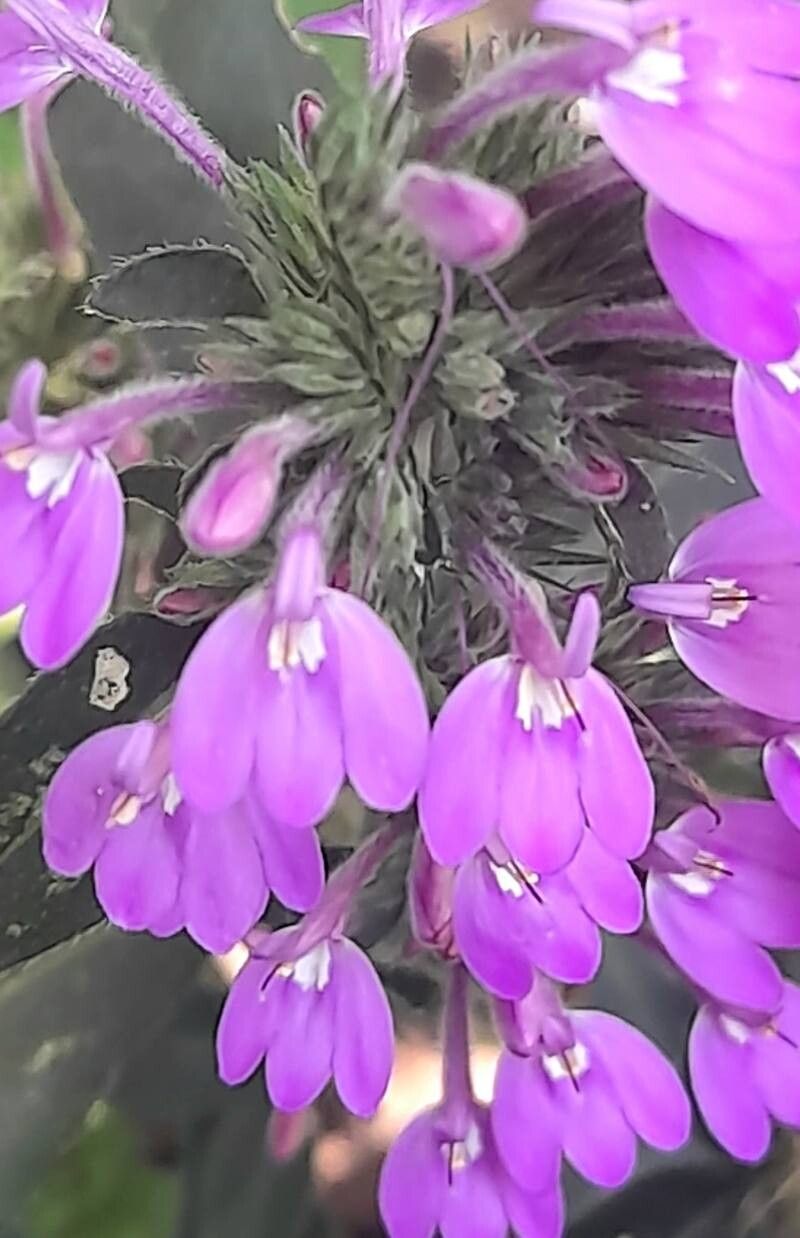
Grow More of Those Lovely Justicia goudotii!
Oh, I just adore Justicia goudotii. If you’ve ever seen its delicate, bell-shaped flowers cascading in shades of white and pale pink, you know exactly what I mean. It’s a real charmer, and the beauty of it is, you can have even more of them! Propagating this plant is one of those gardening joys where a little effort can yield a whole lot of green. And the good news for my beginner friends? You’ll find this one quite forgiving.
When to Get Your Hands Dirty
For Justicia goudotii, the sweet spot for propagation is typically in the late spring or early summer. This is when the plant is actively growing, full of vigor, and frankly, just ready to create new life. You want to take cuttings from healthy, new growth, not from woody old stems. Think of it as taking pieces of a young, energetic plant, not a tired old one.
Your Propagation Toolkit
Here’s what you’ll want to have on hand before you start:
- Sharp Pruning Shears or a Clean Knife: For making clean cuts.
- Potting Mix: A good, well-draining mix is crucial. I often use a blend of 50% peat moss or coco coir and 50% perlite or coarse sand.
- Rooing Hormone (Optional but Recommended): This gives your cuttings an extra boost. I like to use a powdered or gel form.
- Small Pots or Seed Trays: For your new little plants. Make sure they have drainage holes!
- Clear Plastic Bags or a Propagator: To maintain humidity.
- Watering Can with a Fine Rose or Spray Bottle: For gentle watering.
Let’s Grow Some More!
I usually have the best luck with stem cuttings for Justicia goudotii. It’s straightforward and effective.
- Select Your Cuttings: Look for healthy stems that are not flowering. You want to find a piece of stem that has new growth at the tip but is firm, not floppy. Aim for cuttings that are about 4-6 inches long.
- Make the Cut: Using your sharp shears or knife, make a clean cut just below a leaf node. A leaf node is where a leaf attaches to the stem. This is where new roots will emerge.
- Prepare the Cutting: Gently remove the lower leaves from your cutting, leaving just a few at the very top. This reduces moisture loss and prevents leaves from rotting in the soil.
- Apply Rooting Hormone (If Using): Dip the cut end of the stem into your rooting hormone, tapping off any excess.
- Plant Your Cutting: Make a hole in your prepared potting mix with your finger or a pencil. Gently insert the cut end of the stem into the hole, ensuring the leaf nodes are below the soil surface. Firm the soil gently around the cutting.
- Water Gently: Water the potting mix thoroughly but gently, making sure not to disturb the cutting.
The “Secret Sauce” – My Little Insider Tips
After years of playing with plants, I’ve learned a few things that really make a difference.
First, when you pot up your cuttings, make sure none of the leaves are touching the soil. If they start to rot in the damp soil, they can take your whole cutting down with them. It’s a simple thing, but it’s saved many a promising plant for me!
Second, providing a bit of bottom heat is a game-changer, especially if your house is a bit cool. I often pop my little pots on a heating mat designed for seedlings. It encourages root development from below much faster. You don’t want it too hot, just a gentle warmth.
Aftercare & Keeping Them Happy
Once your cuttings are planted, the goal is to keep them in a warm, bright spot out of direct sunlight. They need consistent moisture but not soggy feet. That’s why that good drainage is so important.
Covering your pots with a clear plastic bag or placing them in a propagator will create a humid environment, which is key for cuttings to root. Just make sure to open the bag or propagator for a few minutes each day to allow for air circulation and prevent fungal issues.
You’ll know your cutting is rooting when you see new leaf growth emerging from the top. If you’re unsure, give the cutting a very gentle tug. If you feel resistance, roots have formed! This can take anywhere from 3 to 6 weeks, sometimes longer.
Troubleshooting: The most common issue is rot. If you see your cutting turning mushy or black, it’s likely getting too much water or not enough air. If this happens, you might need to discard it and start again, focusing on better drainage and air circulation.
Keep Growing!
Propagating plants like Justicia goudotii is such a rewarding part of gardening. It connects you to the cycles of nature and gives you the joy of sharing your passion with others. Be patient with your cuttings, give them a little TLC, and you’ll soon have a whole collection of these delightful bloomers. Happy growing!
Resource:
https://identify.plantnet.org/k-world-flora/species/Justicia%20goudotii%20V.A.W.Graham/data