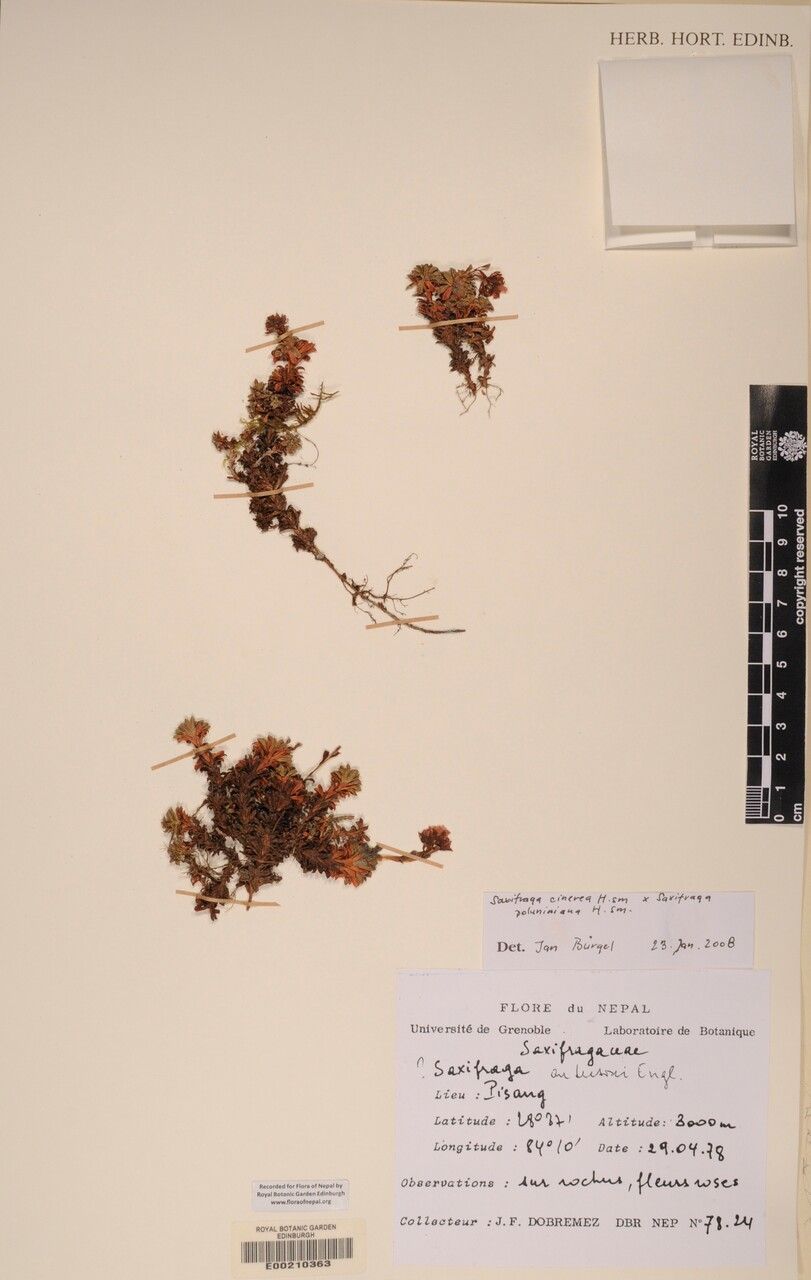
Hey there, fellow garden enthusiasts! Today, we’re diving into the wonderful world of Saxifraga cinerea, a plant that truly brings a touch of delicate charm to any garden. I’ve been growing these beauties for two decades now, and their intricate rosettes and lovely blooms always bring a smile to my face. Propagating them is such a rewarding endeavor, and I’m thrilled to share my secrets with you. Don’t worry, while they have a bit of a delicate nature, they’re actually quite manageable, even for those just dipping their toes into propagation.
The Best Time to Start
For Saxifraga cinerea, the sweet spot for propagation is generally late spring to early summer. This is when the plant is actively growing and has plenty of energy to put into developing new roots. You’ll be looking for healthy, mature rosettes that have started to form little offsets or “babies.”
Supplies You’ll Need
Gathering your tools beforehand makes the whole process so much smoother. Here’s what I always keep handy:
- Sharp, clean pruning shears or a sharp knife: For making precise cuts.
- Well-draining potting mix: A blend of equal parts perlite, coarse sand, and a good quality potting soil works wonders. I sometimes add a touch of horticultural grit too.
- Small pots or trays: Terracotta or plastic pots are fine, just ensure they have drainage holes.
- Rooting hormone (optional but helpful): This little boost can speed things up considerably for some plants.
- Watering can with a fine rose or a mister: For gentle watering.
- Labels: So you don’t forget what you’ve planted where!
- A sunny, bright spot: Protected from harsh midday sun.
Propagation Methods
Saxifraga cinerea is wonderfully versatile, and I find the easiest and most successful method is by offsets (or pups).
- Identify the Offsets: Look around the base of your mature Saxifraga cinerea plant. You’ll often see smaller rosettes forming. These are your baby plants, or offsets.
- Gently Separate: Using your clean pruning shears or knife, carefully prune away the offset from the parent plant, making sure to get a bit of its own root system if possible. It’s best to do this during a dry spell so the wound heals quickly.
- Allow to Callus (The Secret Sauce Hint!): This is a crucial step I learned early on. Lay the separated offsets on a dry paper towel in a bright, airy spot for 24-48 hours. This allows the cut end to dry out and form a callus, which helps prevent rot when you plant them.
- Planting: Fill your small pots with your well-draining potting mix. Make a small hole in the center and gently tuck the callused end of the offset into the soil. You want the base of the rosette to be just above the soil line.
- Water Lightly: Water gently around the base of the new offset. The soil should be slightly moist, not soggy.
- Provide Bright, Indirect Light: Place your newly potted offsets in a location that receives bright, indirect sunlight. Avoid direct, harsh sun, which can scorch delicate new growth.
The “Secret Sauce” (Pro Tips)
I’ve learned a few tricks over the years that really make a difference:
- Don’t Overwater: This is probably the most common killer of young propagations. Saxifraga cinerea prefers to be on the drier side, especially when establishing. Let the soil dry out between waterings. I often give the pot a light lift; if it feels light, it’s time.
- Bottom Heat is Your Friend: If you have a heat mat, placing your pots on it can significantly speed up root development. It mimics natural spring warmth and really encourages those roots to spread.
- Gentle Airflow: Good air circulation is key in preventing fungal issues. If you’re propagating indoors, an oscillating fan on a very low setting can help.
Aftercare & Troubleshooting
Once you see signs of new growth or feel a little tug when gently pulling on the rosette, you know roots are forming! Continue to water sparingly, allowing the soil to dry out between waterings. As the plant grows stronger, you can gradually introduce it to a bit more direct sunlight.
The most common issue you might encounter is rot, which usually stems from overwatering or poor drainage. If you notice a rosette turning mushy and black, it’s likely too far gone. Remove it immediately to prevent it from spreading to other plants. Yellowing leaves can sometimes indicate too much direct sun, while wilting might mean it’s just thirsty. Learn to read your plant – it’s telling you what it needs!
A Encouraging Closing
Propagating Saxifraga cinerea is a journey, and like any good garden adventure, it’s about patience and observation. Don’t be discouraged if your first few attempts aren’t perfect; every gardener has faced a few setbacks! Enjoy the process, celebrate each new tiny rosette that takes hold, and soon you’ll have a small army of these charming plants to enjoy. Happy propagating!
Resource:
https://identify.plantnet.org/k-world-flora/species/Saxifraga%20cinerea%20Harry%20Sm./data