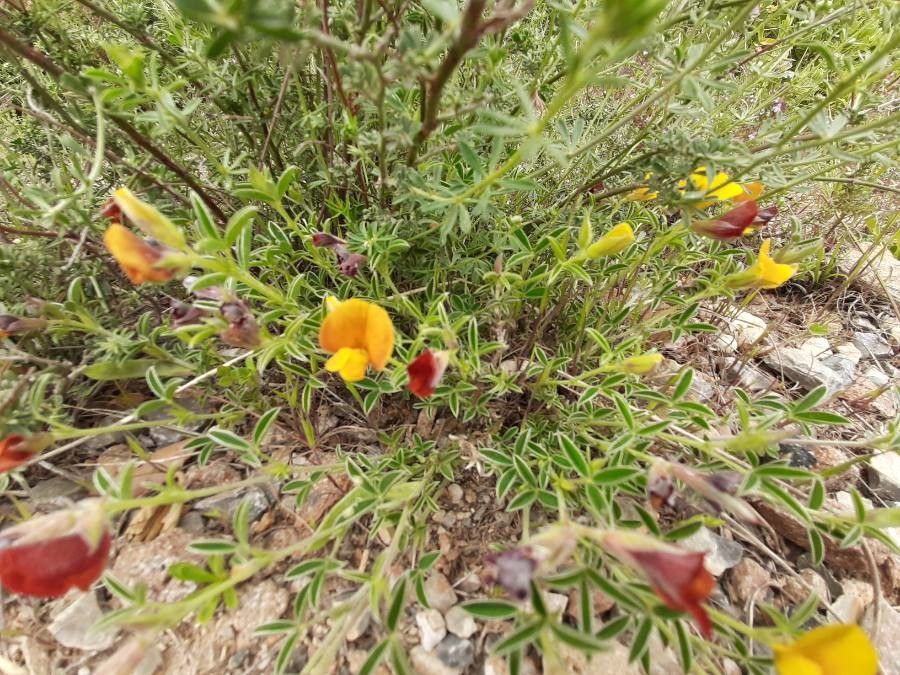
Hello there, fellow plant lovers! It’s so wonderful to connect with you today. You know, there are some plants that just have a way of capturing our hearts, and for me, Lotus conjugatus is certainly one of them. Its delicate, almost ethereal beauty, with those unique, heart-shaped leaves, makes it a showstopper in any collection. And the joy of nurturing a brand-new plant from a tiny piece of its parent? Pure garden magic!
Now, I’ll be honest with you. While Lotus conjugatus isn’t necessarily a plant you can just toss a cutting into a glass of water and expect miracles, it’s absolutely achievable with a little understanding and patience. It’s a rewarding project, but perhaps best suited for those who have a little gardening experience under their belt – or a wonderfully adventurous spirit!
The Best Time to Start
For the highest success rate with Lotus conjugatus, I find the late spring to early summer is your sweet spot. This is when the plant is actively growing and has plenty of energy to put into developing new roots. Aim to propagate from healthy, vigorous stems that are at least a few inches long and have a few leaves.
Supplies You’ll Need
Here’s what you’ll want to have on hand to give your cuttings the best possible start:
- Sharp Pruning Shears or a Clean Knife: For making clean cuts that are less prone to disease.
- Rooting Hormone (Optional but helpful): A powder or gel can really give your cuttings a boost.
- A Well-Draining Potting Mix: I like a blend of equal parts peat moss, perlite, and a little bit of compost. You want good aeration.
- Small Pots or Trays: Clean pots are key to preventing disease.
- Clear Plastic Bags or a Propagator: To create a humid environment.
- Water: For hydration and potentially water propagation.
Propagation Methods
Lotus conjugatus is best propagated through stem cuttings or, with careful attention, can be attempted in water.
Stem Cuttings
- Firstly, select a healthy stem from your established plant. Using your clean shears, make a clean cut just below a leaf node. A node is that little bump on the stem where a leaf grows out. This is where the magic happens!
- Remove the lowest leaves from the cutting, leaving just a couple of leaves at the top. This prevents them from rotting in the soil.
- If you’re using rooting hormone, dip the cut end into the powder or gel. Give it a gentle tap to remove any excess.
- Now, fill your small pot with your well-draining potting mix. Make a small hole in the center with your finger or a pencil.
- Gently insert the cutting into the hole, ensuring the leaf nodes are below the soil surface. Firm the soil gently around the stem.
- Water the pot thoroughly until water drains from the bottom.
- To create that crucial humid environment, cover the pot with a clear plastic bag or place it inside a propagator. Make sure the leaves don’t touch the sides of the bag if you can help it. You can use stakes to keep the bag elevated.
- Place the pot in a warm spot with bright, indirect light. Avoid direct sun, which can scorch your tender new cuttings.
- Keep the soil consistently moist but not waterlogged. You might need to mist it occasionally or lift the bag to let some air exchange.
Water Propagation (Handle with Care!)
This method might seem simpler, but it requires a bit more vigilance.
- Prepare your cutting just as you would for stem cuttings, making a clean cut below a leaf node and removing lower leaves.
- Fill a clean jar or glass with fresh, room-temperature water.
- Place the cutting in the water, ensuring that the leaf nodes are submerged, but crucially, no leaves are touching the water. Leaves submerged in water will rot quickly, and that’s exactly what we want to avoid.
- Place the jar in a location with bright, indirect light.
- Change the water every other day to keep it fresh and oxygenated. This is vital for preventing algae growth and rot.
- You’ll be looking for tiny white roots to start forming from the nodes. This can take a few weeks.
The “Secret Sauce” (Pro Tips)
Here are a couple of little tricks I’ve learned over the years that can make a big difference:
- Bottom Heat is Your Friend: If you can, providing a little gentle warmth from below really encourages root development. A seedling heat mat on a low setting works wonders. It’s like a cozy little spa day for your cuttings!
- Don’t Rush the Transplant: When propagating in soil, be patient! I often wait until I see new leaf growth appearing from the cutting itself before I even think about gently tugging on it to check for roots. A bit of resistance is a good sign. Likewise, with water propagation, wait until the roots are at least an inch or two long before attempting to pot them.
Aftercare & Troubleshooting
Once you see evidence of roots – whether it’s tentative tugs on your soil cuttings or visible roots in water – it’s time for a little extra TLC.
- For Soil Cuttings: Gradually acclimate your new plants to lower humidity. You can start by opening the plastic bag for short periods each day, slowly increasing the duration. Once they seem robust, remove the bag entirely. Continue to water as needed, letting the top inch of soil dry out slightly between waterings.
- For Water Cuttings: Once you have a good root system, gently transplant them into your well-draining potting mix. Handle those delicate roots with care! Treat them much like you would a newly potted soil cutting.
The most common issue you’ll encounter is rot. This usually happens from too much moisture, poor air circulation, or dirty tools. If you see your cutting turning black and mushy, sadly, it’s likely a sign decomposition has set in. Don’t get discouraged! Simply discard the affected cutting, clean your tools and pot thoroughly, and try again with fresh material. Sometimes, a cutting just isn’t destined to root, and that’s okay.
A Encouraging Closing
Propagating plants, especially those with such personality as Lotus conjugatus, is a journey. There will be successes, and there will be times when things don’t quite go as planned. The key is to embrace the process, learn from each attempt, and celebrate every tiny victory – like that first hint of a new root or that hopeful little leaf unfurling. So, grab your shears, get your hands a little dirty, and enjoy the wonderful reward of creating more beauty for your garden! Happy propagating!
Resource:
https://identify.plantnet.org/k-world-flora/species/Lotus%20conjugatus%20L./data