Hello fellow plant lovers!
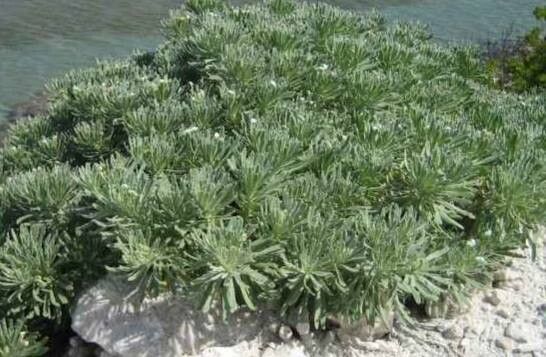
Today, we’re diving into a real gem: Tournefortia gnaphalodes, also fondly known by its common names like seaside heliotrope or woolly heliotrope. If you’re drawn to plants with that charming, slightly wild, coastal vibe, you’re going to adore this one. Its delicate, silvery-grey foliage and clusters of tiny, fragrant white flowers are just lovely. And guess what? Propagating it is surprisingly rewarding. While it’s not the absolute easiest plant for a complete beginner, with a little patience and these tips, you’ll be well on your way!
The Best Time to Start
For the highest success rate with Tournefortia gnaphalodes, I find late spring to early summer is your sweet spot. This is when the plant is actively growing after a winter rest. You’re looking for healthy, non-flowering stems that have a bit of flexibility but aren’t brand new and wispy. Think of it as taking a cutting from a stem that’s “hardwood” but still green.
Supplies You’ll Need
Here’s what I like to have on hand:
- Sharp pruning shears or a clean, sharp knife: For making clean cuts.
- A well-draining potting mix: I usually mix about 50% peat moss or coco coir with 50% perlite or coarse sand. Don’t use plain garden soil; it compacts too much.
- Small pots or trays: Clean ones are key to preventing disease.
- Rooting hormone (optional but recommended): This gives your cuttings a helpful boost. Look for one with a good balance of auxin.
- Cleer plastic bag or a clear propagtion dome: To create a humid microclimate.
- Watering can or spray bottle: For gentle watering.
Propagation Methods
I’ve found the most reliable way to grow more Tournefortia gnaphalodes is through stem cuttings.
- Take Your Cuttings: Using your sharp shears or knife, select a healthy stem. Cut a piece about 4-6 inches long. Make your cut just below a leaf node (where a leaf attaches to the stem). Remove the lower leaves, leaving just a few at the top. This is important! Leaves will draw moisture from the cutting which it can’t yet replace.
- Prepare the Cutting: If you’re using rooting hormone, dip the cut end of the stem into the powder. Give it a gentle tap to remove any excess.
- Plant Your Cuttings: Fill your clean pots with your well-draining mix. Make a small hole in the center with your finger or a pencil. Gently insert the cut end of your Tournefortia cutting into the hole, ensuring the nodes where you removed leaves are buried. Firm the soil gently around the stem to ensure good contact.
- Water Gently: Water the potting mix thoroughly but gently. It should be moist but not waterlogged. A good way to do this is to water from the bottom of the pot if possible.
- Create Humidity: Place your potted cuttings into a clear plastic bag, sealing it loosely, or cover them with a clear propagation dome. This traps in humidity, which is crucial for cuttings that can’t yet take up water through roots.
The “Secret Sauce” (Pro Tips)
Here are a couple of things I’ve learned over the years that make a big difference:
- Bottom Heat is Your Friend: Placing your pots on a seed starting heat mat can dramatically speed up root development. Tournefortia appreciate a little warmth from below, especially in cooler conditions.
- Don’t Over-Water the Cuttings: While humidity is key, soggy soil is the fastest way to invite rot. You want the soil to feel consistently moist, not wet. Check it by gently pressing your finger into the soil. If it feels dry an inch down, it’s time to water.
Aftercare & Troubleshooting
Once your cuttings are potted and covered, place them in a bright spot, but out of direct, harsh sunlight. Direct sun can scorch the delicate cuttings. You’ll want to peek under the plastic or dome regularly to check on moisture levels and ensure good air circulation to prevent mold.
After a few weeks to a couple of months, you should start to see signs of new growth at the top – tiny leaves unfurling. This is a great sign! You can also give a gentle tug. If you feel resistance, that means roots have formed.
Now comes the exciting part: gradually acclimate your new plant to normal conditions. Start by opening the plastic bag or dome for a few hours each day, slowly increasing the time. Once it’s looking happy and sturdy, you can remove it entirely. Continue to water when the top inch of soil feels dry.
Troubleshooting? The most common issue you’ll face is rot. If your cutting turns black and mushy, it’s likely succumbed to rot. This is usually due to overwatering or poor drainage. Don’t despair if one or two fail; that’s part of the learning process! Just clean out the pot and try again.
A Encouraging Closing
Propagating plants is such a fulfilling journey. It connects you to the cycle of life and results in a lovely new plant to share or enjoy in your own garden. Be patient with your Tournefortia cuttings. Not every attempt will be a roaring success, but with a little practice and these tips, you’ll soon have a small jungle of your own. Happy growing!
Resource: