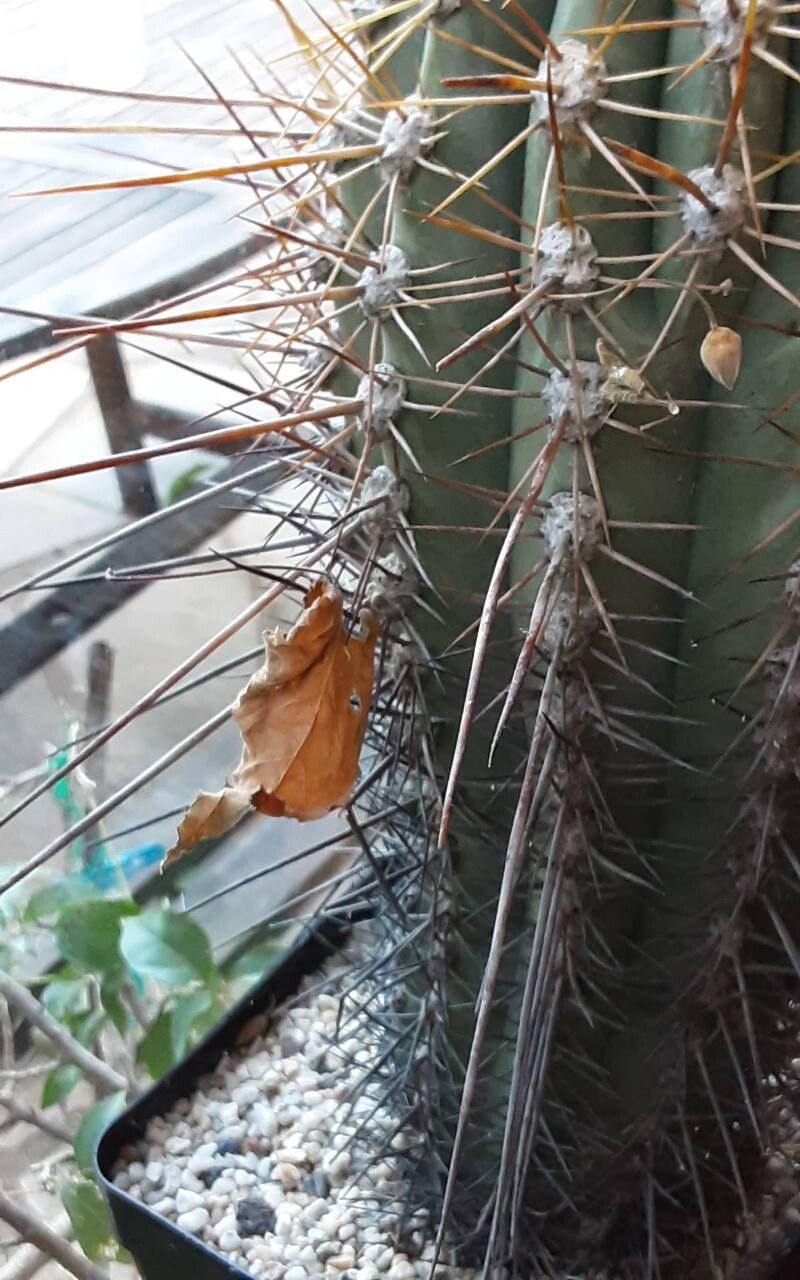
Hello fellow garden enthusiasts! It’s wonderful to connect with you again from my little corner of green. Today, we’re diving into the fascinating world of Weberbauerocereus cephalomacrostibas, a cactus that truly captivates with its unique beauty. Its striking ribbed structure and creamy, fragrant flowers are a real treasure to behold in the garden or on a sunny windowsill.
Propagating these beauties might seem a bit daunting at first glance, but trust me, it’s incredibly rewarding. Watching a tiny piece of a mature plant transform into a whole new life is pure magic. While not the absolute easiest cactus for a complete beginner, with a little patience and these tips, you’ll be well on your way to success with Weberbauerocereus cephalomacrostibas.
The Best Time to Start
For the highest chance of success, I always find that initiating propagation during the active growing season is key. Think spring and early summer. This is when the plant has energy reserves to heal after division or to put out roots from cuttings. You’ll notice new growth is happening enthusiastically, and that’s your cue! Avoid trying this when the plant is dormant in cooler months.
Supplies You’ll Need
Gathering your supplies beforehand makes the whole process smoother. Here’s what I usually have on hand:
- Well-draining potting mix: A cactus and succulent blend is perfect. You can also create your own by mixing equal parts of coarse sand, perlite, and coco coir or peat moss.
- Sharp, sterilized pruning shears or a clean knife: For clean cuts that promote healing and reduce disease risk.
- Rooting hormone (optional but recommended): Especially helpful for cuttings to encourage faster root development. A powder or gel will do.
- Small pots or trays: For starting your new plants. Make sure they have drainage holes!
- Watering can or spray bottle: For gentle watering.
- Newspaper or cardboard: To protect your hands from spines when handling the cactus.
- Labels and a marker: To keep track of your propagation efforts.
Propagation Methods
There are a couple of reliable ways to multiply your Weberbauerocereus cephalomacrostibas. I’ve had great success with stem cuttings.
Stem Cuttings:
- Select a healthy branch: Look for a mature, healthy stem section that’s at least 4-6 inches long.
- Make the cut: Using your sterilized shears or knife, make a clean cut at the base of the chosen stem.
- Allow it to callous: This is CRUCIAL. Lay the cutting in a dry, well-ventilated spot away from direct sunlight for 2-7 days, or until the cut end has dried and formed a firm callus. This prevents rot.
- Apply rooting hormone (optional): Once calloused, dip the cut end into your rooting hormone, tapping off any excess.
- Plant the cutting: Fill your small pot with your well-draining mix. Make a small hole in the center and gently insert the calloused end of the cutting about an inch deep.
- Water sparingly: Give it a very light watering or mist. You don’t want to saturate the soil.
The “Secret Sauce” (Pro Tips)
Here are a few things I’ve learned over the years that make a real difference:
- The “Dirty” Pot Trick: When planting cuttings, I often use a pot already containing some soil from another established cactus. There are beneficial microbes in established cactus soil that can help the new cutting establish faster and fend off any little nasties. It’s a subtle but effective boost!
- Bottom Heat is Your Friend: If you can, place your pots on a gentle warming mat. This provides consistent, subtle warmth to the base of the cutting, stimulating root growth without drying out the aerial parts. It’s like giving it a cozy greenhouse blanket.
- Patience with Watering: Resist the urge to overwater! Cacti are masters of water conservation. Wait until the soil is almost completely dry before watering again. A slight shriveling of the cutting can actually be a sign it’s trying to develop roots to find water.
Aftercare & Troubleshooting
Once your cuttings have developed roots (you can gently tug on them – if there’s resistance, they’ve rooted!), continue to water sparingly. Think of it as nurturing a very sensitive baby. Graduall y introduce them to more light, but avoid harsh, direct sun initially.
The most common problem you’ll encounter is rot. If you notice your cutting turning black, mushy, or developing a foul smell, it’s likely rotted. This usually means too much moisture. If caught early, you might be able to cut away the rotted part and try again, ensuring a better callousing period and much less water. Another sign of struggle is if the cutting remains soft and shriveled for weeks without any sign of rooting. This could be a sign that the cutting was too old, too young, or the conditions weren’t right. Don’t get discouraged; just try again with another cutting!
A Closing Thought
Propagating plants is a journey, not a race. Be patient with your Weberbauerocereus cephalomacrostibas cuttings. Enjoy the process, learn from each attempt, and celebrate the small victories. Soon, you’ll have more of these spectacular cacti to admire and share. Happy gardening, friends!
Resource: