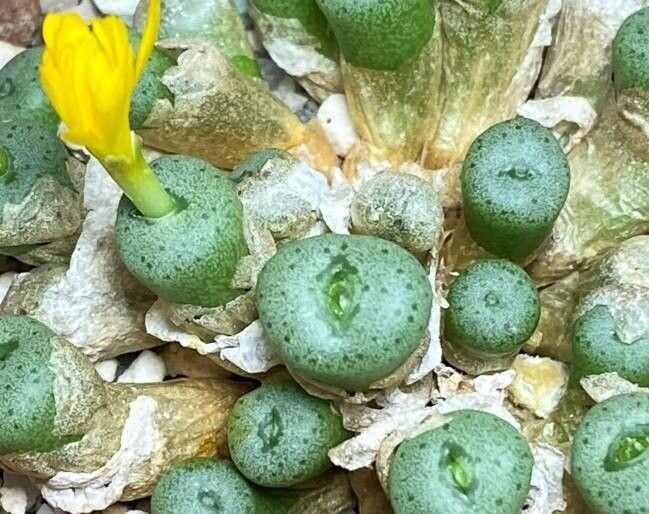
Oh, hello there! I’m so glad you’ve stopped by. Today, we’re going to dive into the wonderfully quirky world of Conophytum auriflorum. If you’re not familiar with them, imagine tiny, living jewels that pack a punch of sunshine yellow blooms. They’re truly fascinating little succulents, and propagating them is a hobby that brings a special kind of joy. It’s not the easiest plant to start with for absolute beginners, but with a little patience and these tips, you’ll be well on your way to success.
The Best Time to Start
For Conophytum auriflorum, the real sweet spot for propagation is during their active growing season. This is generally in the late spring or early summer, after they’ve finished their dormancy period. You’ll see them plump up and looking generally perky. This is when they have the most energy to put into forming new roots. Trying to propagate too late in the year, when they’re heading towards dormancy, can make things a bit trickier.
Supplies You’ll Need
Glad you asked! Having the right tools makes all the difference. Here’s what I always have on hand:
- Well-draining soil mix: I usually use a blend of equal parts pumice or perlite and fine gravel, with a tiny bit of organic potting soil. Think gritty!
- Sharp pruning shears or a clean knife: For making clean cuts.
- Rooting hormone (optional but helpful): A powder or liquid can give cuttings a boost.
- Small pots or trays: Terra cotta is great because it breathes.
- Watering can with a fine rose or a spray bottle: For gentle watering.
- A warm, bright spot: But avoid direct, harsh sun when they’re just starting out.
Propagation Methods
Conophytum auriflorum primarily propagates through division, which is my favorite method because it often gives you a head start.
Division:
This is the most straightforward way to multiply your Conophytum. When your plant has naturally formed multiple heads or offsets, it’s time to divide.
- Gently remove the plant from its pot. Be careful not to damage the delicate roots.
- Inspect the clump. You’ll see where the individual bodies are attached.
- Carefully separate the offsets. You can do this with your fingers, or if they’re tightly joined, use your clean pruning shears or knife to make a neat cut. Make sure each offset has at least a few roots attached.
- Allow the cut surfaces to callus. This is a crucial step to prevent rot. Place the separated offsets in a dry, shady spot for a day or two until a dry, protective layer forms over the cut.
- Pot them up. Plant each offset in its own small pot filled with your gritty soil mix. Don’t water immediately. Wait a few days to a week.
While you can technically try taking leaf cuttings, Conophytum auriflorum isn’t particularly known for rooting easily from single leaves like some other succulents. Division is really your best bet for consistent success.
The “Secret Sauce” (Pro Tips)
Here are a couple of things I’ve learned over the years that can really help:
- Don’t overthink the water. When you do water your newly divided plants, be very, very sparing. They are prone to rot, especially if their cut surfaces aren’t fully callused or if the soil stays too wet. I often wait a full week after potting before giving them their first tiny drink.
- Think like a desert dweller. These plants thrive in environments with excellent air circulation. Placing your pots where there’s a gentle breeze, even indoors, can make a world of difference in preventing fungal issues and promoting healthy root development. Think open windows, or just slightly ajar on a warm day.
Aftercare & Troubleshooting
Once you see your divided offsets looking plump and perhaps starting to plump up a bit more, that’s a great sign they’re establishing roots! Water very lightly when the soil is completely dry. You’ll know it’s time to water when the bodies feel a little less firm.
The biggest heartbreak you might encounter is rot. If you see your Conophytum becoming mushy, dark, or translucent, it’s a sign of too much moisture. Unfortunately, once rot sets in, it’s very hard to save them. Prevention is key here – good drainage, careful watering, and air circulation are your best friends. If you catch it early, you might be able to cut away the rotted parts and let the healthy sections dry out completely before attempting to re-pot.
A Little Encouragement
Propagating Conophytum auriflorum is a journey of observation and patience. Don’t be discouraged if your first attempt isn’t perfect. Each plant is a little personality, and learning their needs is part of the fun. Enjoy watching those little gems grow and multiply – it’s a truly rewarding feeling! Happy gardening!
Resource:
https://identify.plantnet.org/k-world-flora/species/Conophytum%20auriflorum%20Tischer/data