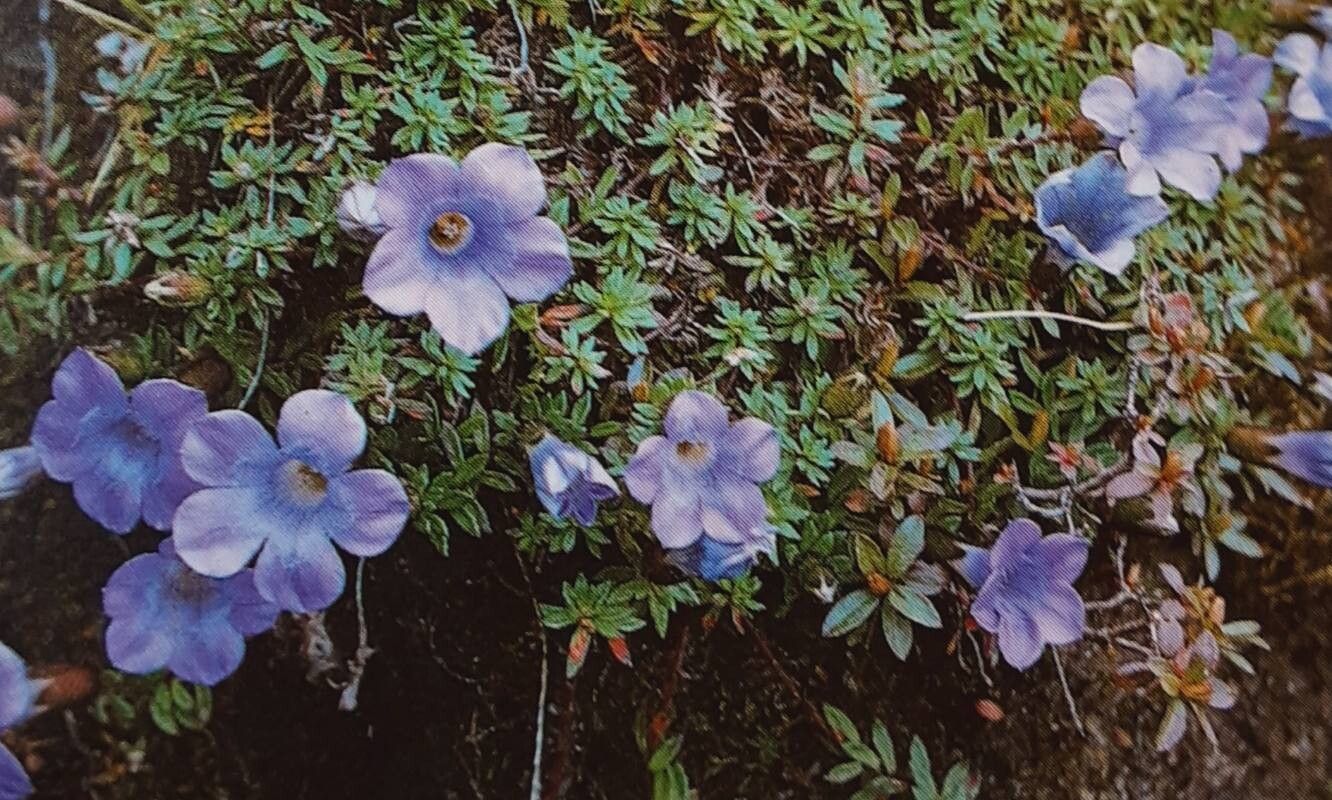
Hello fellow garden enthusiasts! I’m so excited to chat with you today about a truly special plant: Cyananthus microphyllus. If you love delicate, bell-shaped flowers and a carpet of lovely foliage, you’re in for a treat. This little gem, often called the “miniature bellflower,” is a delight in rock gardens and borders, bringing a splash of soft color that just sings of spring and summer. Propagating it yourself is incredibly satisfying, and while it might seem a little bit fiddly at first, I promise it’s absolutely achievable. Think of it as a fun challenge that rewards you with more gorgeousness to spread around your garden or share with friends.
The Best Time to Start
For the highest success rate with Cyananthus microphyllus, I always recommend starting in late spring or early summer. This is when the plant is actively growing and has plenty of energy to put into developing new roots. You want to be taking cuttings or dividing the plant when it’s not stressed by extreme heat or drought. Think of it as giving your new babies the best possible start in life.
Supplies You’ll Need
To set yourself up for success, gather these essentials:
- Sharp, clean pruning shears or a sharp knife: Crucial for making clean cuts that heal well.
- A good quality potting mix: I often use a mix of peat moss, perlite, and a little bit of compost for excellent drainage. For Cyananthus, good drainage is key.
- Rooting hormone (optional but recommended): This helps to encourage root development, especially for trickier cuttings. I prefer a powder formula.
- Small pots or seed trays: Clean ones are a must to prevent disease.
- A spray bottle: For keeping things consistently moist without waterlogging.
- Labels: So you don’t forget what you planted where!
- A clear plastic bag or propagator lid: To create a humid environment.
Propagation Methods
There are a couple of wonderful ways to multiply your Cyananthus microphyllus. I find both stem cuttings and division to be quite effective.
Stem Cuttings
This is my go-to method for a reason. It’s efficient and you can get a good number of new plants from a single parent.
- Select your cuttings: Look for non-flowering, healthy shoots that are about 4-6 inches long. Snap off a piece gently or make a clean cut just below a leaf node (where a leaf attaches to the stem).
- Prepare the cuttings: Gently remove the lower leaves from the cutting. You want to leave just a few leaves at the top to help with photosynthesis. If the leaves are quite large, you can even trim them in half to reduce water loss.
- Dip in rooting hormone: If you’re using rooting hormone, dip the cut end of the stem into it. Tap off any excess.
- Plant your cuttings: Fill your small pots with your prepared potting mix. Make a small hole with your finger or a pencil and insert the cutting. Gently firm the soil around it.
- Water gently: Give them a light watering to settle the soil.
- Create humidity: Place the potted cuttings in a clear plastic bag or cover them with a propagator lid. This will trap moisture and create the humid microclimate they need to root.
Division
Cyananthus microphyllus forms nice clumps, making it a great candidate for division.
- Gently unearth the plant: In late spring or early summer, carefully dig up the entire clump.
- Separate the divisions: With clean hands or a trowel, gently pull apart the root ball into smaller sections. Each section should have healthy roots and some foliage. If the root ball is very dense, you might need to use a clean knife to carefully slice through it.
- Replant immediately: Pot up the divisions into their own pots filled with your potting mix, or replant them directly into their new garden spots.
- Water well: Give them a good soak to help them settle in.
The “Secret Sauce” (Pro Tips)
Here are a few things I’ve learned over the years that really make a difference:
- Bottom Heat is Your Friend: For stem cuttings, placing your pots on a heated seed tray can significantly speed up rooting. It mimics the warmth of spring and encourages those roots to form faster. You don’t need it to be super hot, just a gentle warmth.
- Don’t Drown Your Cuttings: While humidity is crucial, you don’t want the soil to be waterlogged. Soggy conditions are an invitation for rot. Check the moisture level with your finger; it should feel damp, not soaking wet.
- Patience is a Virtue, But Watch for Green Shoots: When propagating, it’s easy to get impatient. Instead of constantly digging around to check for roots, look for signs of new growth at the top of the cutting. That bright green, new leaf is usually a strong indicator that roots are forming below.
Aftercare & Troubleshooting
Once your cuttings have rooted (you’ll know when you see new growth or feel a bit of resistance when you gently tug), it’s time to transition them.
- Gradual Acclimatization: Slowly remove the plastic bag or propagator lid over a week or so. This helps them get used to drier air.
- Move to Brighter Light: Gradually move them to a brighter location, but avoid direct, harsh sunlight for the first few weeks.
- Watering: Continue to water when the top inch of soil feels dry.
- Feeding: Once they’re established and showing good growth, you can start feeding them with a diluted liquid fertilizer every few weeks during the growing season.
Now, what if things go wrong? The most common culprit for failure is rot. If a cutting turns mushy and black, it’s likely rotted. This usually happens due to overwatering or poor air circulation. If you see this, remove the affected cutting immediately to prevent it from spreading. If your cuttings just seem to be wilting and not showing any signs of root development after a few weeks, they might not have taken. Don’t be discouraged! Gardening is all about trial and error.
A Encouraging Closing
Growing your own Cyananthus microphyllus from cuttings or divisions is a wonderfully rewarding experience. It connects you deeply with the plant and its life cycle. Remember to be patient, observe your plants closely, and don’t be afraid to try again if your first attempt isn’t perfect. That’s how we all learn! Happy propagating, and enjoy the beautiful blooms you’ll soon have in abundance.
Resource:
https://identify.plantnet.org/k-world-flora/species/Cyananthus%20microphyllus%20Edgew./data