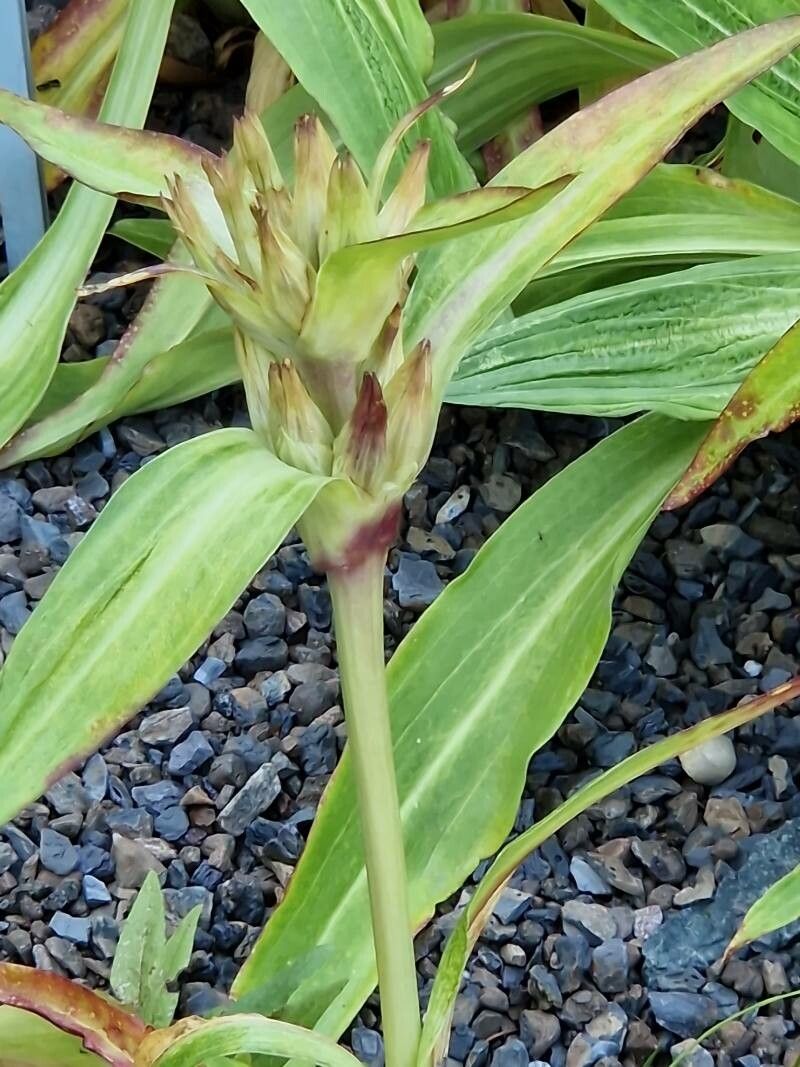
Oh, hello! It’s so lovely to have you join me in my little corner of the garden. Today, we’re going to talk about a plant that truly captures the essence of wild meadows and crisp autumn air: the White Gentian, or Gentiana alba.
My Love Affair with White Gentian
There’s something so special about these starry, pure white blossoms. They bloom late in the season, offering a final, breathtaking display when many other flowers are nodding their heads in farewell. Seeing them unfurl, like tiny miracles against the fading green, always fills me with such a sense of accomplishment. If you’re looking to expand your appreciation for native flora or simply want to add a touch of ethereal beauty to your garden, propagating White Gentian is a journey well worth taking. Now, I’ll be honest, it’s not the absolute easiest plant for a complete novice to propagate, but with a little patience and these tips, I’m confident you can coax new life from your existing beauties!
When to Get Your Hands Dirty
The absolute sweet spot for propagating White Gentian is early spring, right as the plant is waking up from its winter slumber. You want to catch it before it gets too vigorous with new top growth. Alternatively, if you’re looking at division, doing it in the fall after flowering can also work well. Just be sure the plant has had time to finish its blooming show!
What You’ll Need for Success
Gathering your supplies before you start makes the whole process feel much smoother. Here’s what I always have on hand:
- Sharp, clean pruning shears or a sharp knife: For making clean cuts that heal quickly.
- Well-draining potting mix: A good blend for us is typically 50% peat moss or coco coir and 50% perlite or coarse sand. You want to avoid anything that holds too much moisture.
- Small pots or trays: Even yogurt cups with drainage holes poked in the bottom work wonderfully!
- Rooting hormone (optional but helpful): A powdered form is easy to use.
- Watering can with a fine rose: To water gently without disturbing delicate cuttings.
- A sunny windowsill or a protected outdoor spot: Depending on your climate and the time of year.
- Patience! This is the most important tool of all.
Gentle Ways to Propagate
White Gentian can be propagated in a couple of ways. Division is often the most straightforward for home gardeners.
Method 1: Division – Sharing the Wealth
This method is best done in early spring or fall.
- Dig carefully: Gently excavate your established White Gentian plant, taking care not to damage the roots. You can use a garden fork for this.
- Examine the root ball: Look for natural divisions where the plant has grown outward. You might see clumps or sections that can be easily separated.
- Make the cut: Using a sharp knife or trowel, carefully divide the root ball into smaller sections. Aim for each section to have at least a few healthy roots and some crown buds (tiny bumps where new shoots will emerge).
- Replant immediately: Pot up your new divisions in your well-draining mix. Water them in gently and place them in a semi-shady spot for the first few weeks.
Method 2: Stem Cuttings – A Bit More Finesse
This is a good option in late spring or early summer when the plant is actively growing.
- Take cuttings: Select healthy, non-flowering shoots that are about 4-6 inches long. Make a clean cut just below a leaf node (where a leaf attaches to the stem).
- Prepare the cutting: Gently remove the lower leaves, leaving just a couple at the very top. This prevents them from rotting in the soil.
- Apply rooting hormone (if using): Dip the cut end into your rooting hormone powder, tapping off any excess.
- Plant the cuttings: Insert the cut end into your prepared potting mix, pushing it about an inch deep.
- Water gently: Give the cuttings a light watering to settle the soil around them.
- Provide humidity: I like to cover the pots or tray with a clear plastic bag or lid to create a mini-greenhouse effect. Make sure the leaves don’t touch the plastic if possible.
The “Secret Sauce” – My Insider Tips
Here are a few little tricks I’ve learned over the years that can really make a difference:
- Don’t be afraid of a little bit of misting. For cuttings, misting the leaves every day or two can help keep them from drying out while they’re trying to root.
- Bottom heat is your friend! If you’re doing stem cuttings, placing your pots on a propagation mat or even a sunny windowsill that gets warm underneath can significantly speed up root development. It mimics the warmth of the soil in spring.
- Trust your gut, but don’t overwater. Gentians hate soggy feet. It’s better to let them dry out slightly between waterings than to drown them.
Aftercare and When Things Go Wrong
Once you see new growth appearing on your divisions or cuttings, it’s a sign that roots are starting to form!
- Gradual acclimatization: If you used a plastic cover for your cuttings, gradually start to remove it over a week or so, allowing them to get used to the regular air.
- Keep the soil consistently moist but not wet: This is the key.
- Watch for rot: The most common sign of failure is wilting and then browning or blackening of the stem or roots, often accompanied by a mushy texture. This is almost always due to too much moisture.
- Pest patrol: Keep an eye out for common pests like aphids or spider mites, especially if your plants are indoors.
Happy Gentian Growing!
Propagating White Gentian is such a rewarding experience. It’s a chance to get to know your plants intimately and to multiply their beauty for your garden and for sharing with fellow plant enthusiasts. Don’t get discouraged if your first attempts aren’t perfect. Every gardener has lost a cutting or two! Enjoy the process, celebrate the successes, and be patient. Before you know it, you’ll have your own little patch of starry white magic blooming. Happy gardening!
Resource:
https://identify.plantnet.org/k-world-flora/species/Gentiana%20alba%20Muhl.%20ex%20J.McNab/data