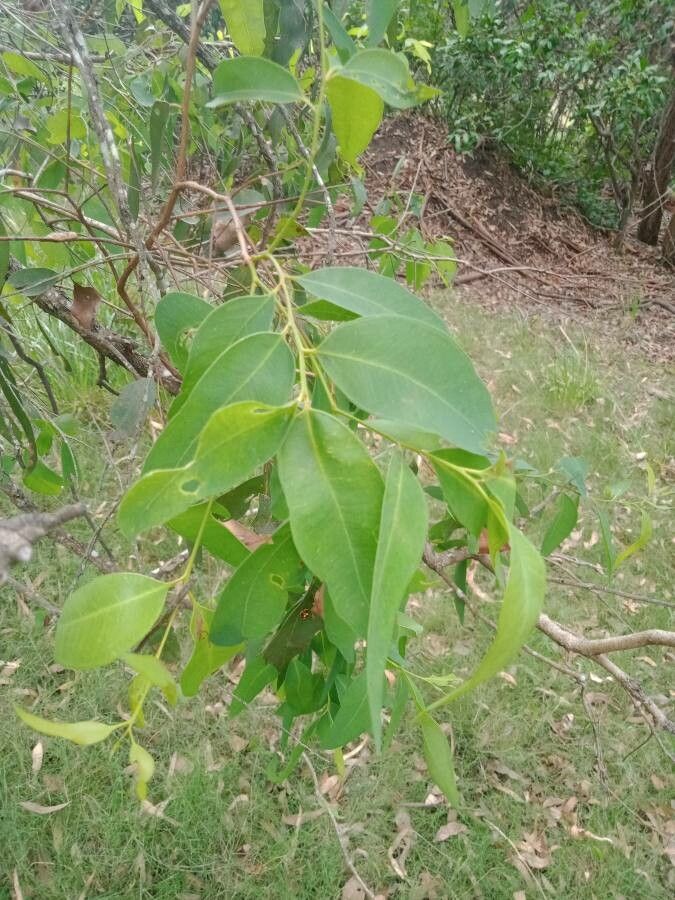
Ah, Maytenus acuminata! What a delightful plant to bring into your garden, or to share with friends. For those of you who adore its glossy, evergreen leaves and elegant, often pendulous growth habit, you’ll be thrilled to know that propagating it is a wonderfully rewarding endeavor. Honestly, I’d put it in the “moderately easy” category for beginners. A little care and attention, and you’ll have little Maytenus babies in no time!
When to Get Your Hands Dirty
The sweetest spot for propagating Maytenus acuminata is late spring through mid-summer. This is when the plant is actively growing, and its stems are full of youthful vigor. You’re looking for what we gardeners call “semi-ripe” cuttings. These are stems that have started to firm up from the current season’s growth but aren’t yet brittle or woody. Think of it as that perfect balance – not too soft, not too hard.
Your Propagation Toolkit
Gathering your supplies beforehand makes the whole process so much smoother. Here’s what you’ll want to have on hand:
- Sharp Pruning Shears or a Craft Knife: Cleanliness is key to preventing disease.
- Rooting Hormone (Optional but Recommended): This gives your cuttings a helpful boost. I prefer a powder form for ease of use.
- A Potting Mix: A well-draining, sterile mix is crucial. I love a blend of equal parts peat moss, perlite, and coarse sand. You can also buy specialized seed-starting or cutting mixes.
- Small Pots or Trays: Clean pots with drainage holes are a must. Small 4-inch pots are usually perfect to start.
- Plastic Bags or a Propagation Dome: This will create a humid microclimate for your cuttings.
- Watering Can with a Fine Rose: Gentle watering is essential, especially for delicate cuttings.
- Gloves (Optional): To keep your hands clean.
Bringing New Maytenus to Life
There are a couple of ways to go about this, but stem cuttings are my go-to for Maytenus acuminata.
Stem Cuttings:
- Select Your Stems: Look for healthy, disease-free branches that fit the “semi-ripe” description I mentioned. They should be flexible but not floppy.
- Take Your Cuttings: Using your clean shears, cut sections of stem that are about 4-6 inches long. Try to make your cut just below a leaf node (where a leaf attaches to the stem). This is a prime area for root development.
- Prepare the Cuttings: Gently remove the lower leaves from your cuttings, leaving just the top two or three leaves intact. This prevents them from rotting in the soil and encourages the plant to focus its energy on root production. If the remaining leaves are very large, you can even cut them in half horizontally to reduce water loss through transpiration.
- Apply Rooting Hormone (If Using): Dip the bottom inch of each cutting into your rooting hormone, tapping off any excess.
- Get Them into the Soil: Firmly insert the base of each cutting into your prepared potting mix. Make sure the nodes where you removed the leaves are buried.
- Water Gently: Give your newly planted cuttings a light watering. You want the soil to be moist but not waterlogged.
- Create Humidity: This is key! You can cover the pots with a clear plastic bag (making sure the bag doesn’t touch the leaves) or place them in a propagation dome. You want to create a greenhouse-like environment. Place them in a bright spot, but out of direct sunlight.
My “Secret Sauce” Tips
Over the years, I’ve learned a few tricks that really make a difference.
- Bottom Heat is Your Friend: If you have a heat mat designed for propagation, place your pots on it. A consistent, gentle warmth from below can significantly speed up root formation. It mimics the warm soil temperatures that encourage growth naturally.
- Mist, Don’t Drench: While you want humidity, overly wet conditions can lead to rot. I like to lightly mist the leaves of the cuttings every day or two, especially if they are in a bag, to keep that moisture level up without saturating the soil.
- Patience with the Potting Mix: Sometimes, just letting the cuttings sit for a bit longer in the initial potting mix before trying to transplant them can be beneficial. You’ll see more roots forming, which means a stronger plant.
Nurturing Your New Sprouts and What to Watch For
Once you start seeing new growth, that’s a good sign that roots are forming! You can gently tug on a cutting – if there’s resistance, roots are developing.
- Gradual Acclimation: When you see signs of rooting (new leaves or resistance to tugging), it’s time to gradually acclimate your cuttings to normal conditions. Start by taking off the plastic bag for a few hours each day, then increase the time until they are no longer covered.
- Transplanting: Once they have a decent root system, you can carefully transplant them into individual, slightly larger pots with a good quality potting soil.
- Troubleshooting:
- Wilting and Yellowing Leaves: This can happen if the cutting is too dry, or if it’s getting too much direct sun. Check your watering and location.
- Rotting at the Base: This is the most common failure. It’s usually caused by overwatering or poor drainage. Ensure your soil mix is airy and that you’re not keeping it constantly sodden. That’s why good drainage holes are so important!
- No New Growth: Sometimes, it just takes time. But if after several weeks you see no change, and the stems are still firm, it might be a failed cutting. Don’t get discouraged; just try again!
Keep Growing!
Propagating your own Maytenus acuminata is such a rewarding journey. It connects you more deeply with your plants and rewards you with the thrill of new life. Be patient, enjoy the process, and celebrate each little success along the way. Happy gardening!
Resource:
https://identify.plantnet.org/k-world-flora/species/Maytenus%20acuminata%20(L.f.)%20Loes./data