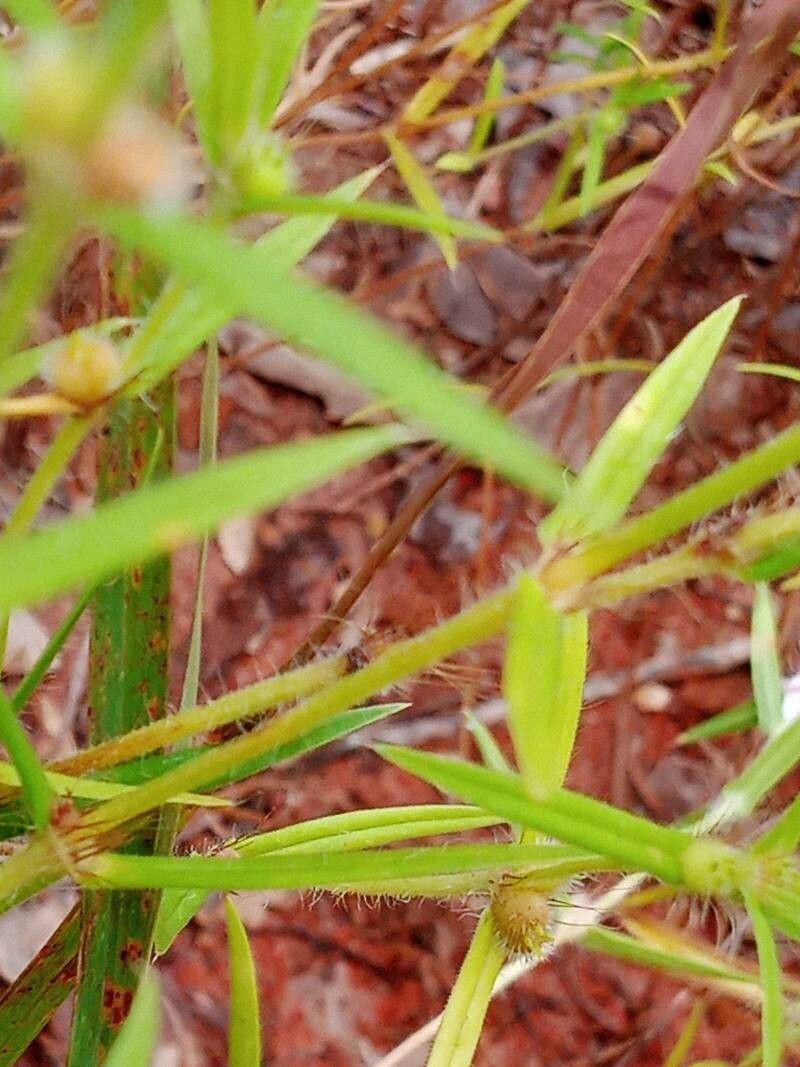
Hello, fellow plant enthusiasts! Today, we’re diving into the wonderful world of propagating Hexasepalum teres, or as some of us fondly call them, “Pincushion Plants.” If you’re drawn to their charming, carpet-like growth and delicate blooms, you’re in for a treat. Watching a tiny cutting transform into a thriving new plant is one of the most satisfying aspects of gardening, and Hexasepalum teres is a joy to multiply. For beginners, I’d say this little gem is moderately easy, offering a good chance of success with a little attention.
The Best Time to Start
When you’re looking to grow more of these beauties, the sweet spot for propagation is usually late spring to early summer. This is when the plant is actively growing, meaning it has plenty of energy to put into forming new roots. You’ll want to select stems that are firm and relatively young, not yet woody or flowering. Think of it as taking cuttings from a vigorous, happy plant.
Supplies You’ll Need
Before we get our hands dirty, let’s gather our little helpers:
- Sharp Pruning Shears or a Craft Knife: Cleanliness is key to prevent disease.
- Rooting Hormone (Optional but Recommended): A little boost can speed things up. Look for one with IBA.
- Seed Starting Mix or a Perlite/Peat Moss Blend: We want something well-draining that retains a bit of moisture.
- Small Pots or Seedling Trays: Don’t go too big; small confines encourage root development.
- Plastic Bags or a Propagator: To create a humid environment for our cuttings.
- Watering Can with a Fine Rose: Gentle watering is essential.
Propagation Methods
For Hexasepalum teres, stem cuttings are my go-to method. It’s straightforward and yields great results.
- Take Your Cuttings: Using your clean shears or knife, take cuttings from healthy, non-flowering stems. Aim for pieces that are 4-6 inches long. Make a clean cut just below a leaf node (where a leaf attaches to the stem). This is where rooting hormones are most effective.
- Prepare the Cuttings: Gently remove the lower leaves from the bottom inch or so of the stem. If your cutting has any developing flower buds, pinch those off too – we want the plant to focus its energy on roots, not flowers.
- Apply Rooting Hormone (If Using): Dip the cut end of the stem into the rooting hormone powder, tapping off any excess.
- Plant the Cuttings: Fill your small pots or trays with your moistened, well-draining soil mix. Make little holes with your finger or a pencil. Insert the prepared cuttings into the holes, ensuring the leaf nodes are buried in the soil. Gently firm the soil around the base of each cutting.
- Create a Humid Environment: Water the soil gently. Then, cover the pots with a clear plastic bag or place them in a propagator. This traps humidity, which is crucial for cuttings to root without drying out. If using a plastic bag, you might want to prop it up with skewers so it doesn’t touch the leaves.
- Find a Suitable Spot: Place your pots in a location with bright, indirect light. Avoid direct sun, as it can scorch the delicate cuttings.
If you’re feeling adventurous, water propagation can also work for Hexasepalum teres, though I find it slightly less reliable for this particular plant:
- Prepare Cuttings: Follow steps 1 and 2 above.
- Place in Water: Place the cuttings in a glass or jar filled with clean water.
- Change Water Regularly: Change the water every few days to keep it fresh and prevent rot.
- Wait for Roots: You should start to see tiny root nubs forming within a few weeks. Once the roots are about an inch long, you can carefully transplant them into your well-draining soil mix.
The “Secret Sauce” (Pro Tips)
Over the years, I’ve picked up a few tricks that seem to give my cuttings a little extra edge.
- Bottom Heat is Your Friend: If you can, place your pots on a heating mat designed for seedlings. This gentle warmth from below encourages root development significantly faster than ambient room temperature alone. It’s like giving them a cozy little incubator.
- Don’t Drench, Mist: While humidity is key, overwatering the soil can lead to rot. It’s better to keep the soil consistently moist rather than soaking wet. Misting the leaves occasionally can also provide a good boost of humidity without waterlogging the roots.
- Patience with the Pinch: When you’re taking cuttings, resist the urge to pinch off every single mature leaf if the cutting is quite long, as they do provide some energy. However, definitely remove any tiny flower buds – they are energy drains you simply can’t afford at this stage.
Aftercare & Troubleshooting
Once you start to see new leafy growth emerging from your cuttings, that’s a fantastic sign that roots have formed! This is when you should begin to gradually acclimate them to normal room humidity. If you’ve been using a plastic bag, start opening it for a few hours each day, slowly increasing the time until you can remove it completely. Continue to keep them in bright, indirect light and water them when the top inch of soil feels dry.
The most common problem you’ll encounter is rot, which looks like a black, mushy stem. This almost always happens due to too much moisture and not enough airflow. If you spot rot, unfortunately, that cutting is likely lost. The best prevention is a well-draining soil mix, gentle watering, and good air circulation. If you’re trying water propagation and notice fuzziness or sliminess, your water isn’t fresh enough.
A Bittersweet Farewell (For Now!)
Propagating plants is a journey, and it’s all about learning and observing. Don’t be discouraged if not every cutting makes it – that’s perfectly normal! The joy comes from the successes, from nurturing these tiny bits of life into something beautiful. Be patient with your little Hexasepalum teres, give them a good start, and soon you’ll have an abundance of these charming plants to enjoy and share. Happy propagating!
Resource: