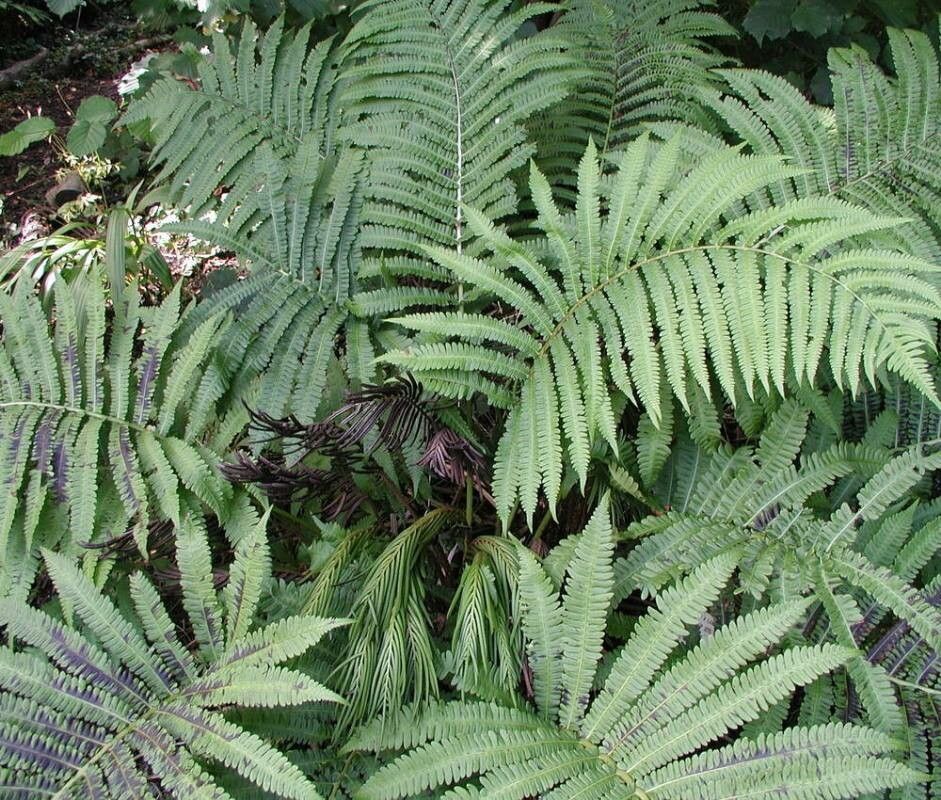
Hello, fellow garden enthusiasts! Today, I’m absolutely thrilled to talk about a fern that’s captured my heart over the years: Onoclea orientalis, also known as the Ostrich fern. Its dramatic, upright fronds are like elegant plumes, adding a fantastic architectural element to any shady corner. There’s something so deeply satisfying about coaxing new life from an existing plant, and propagating Onoclea orientalis is a wonderfully rewarding journey. For those of you just starting out, I’d say this fern is a pretty welcoming prospect – not overly fussy, which makes it a great confidence builder!
The Best Time to Start
When it comes to giving your new Onoclea orientalis the best start, spring is your golden ticket. As the soil warms up and your established ferns are just waking from their winter slumber, that’s prime time. You’ll want to get your hands dirty when the plant is actively growing, but before it gets too hot and stressful for delicate new roots.
Supplies You’ll Need
To set yourself up for success, gather these helpful items:
- Sterile potting mix: A light, well-draining blend is key. I often use a mix of peat moss, perlite, and a touch of compost.
- Sharp, clean pruning shears or a knife: For making clean cuts.
- Small pots or trays: Whatever you have on hand, just ensure they have drainage holes.
- Rooting hormone (optional but recommended): It really helps boost those new root formations.
- A watering can with a fine rose: For gentle watering.
- Plastic bags or a propagation dome: To create a humid environment.
- A mister or spray bottle: For keeping humidity levels up.
Propagation Methods
The most successful way I’ve found to multiply Onoclea orientalis is through division. It’s like giving your fern a little refresh while also creating new plants!
Division Method:
- Gently unpot your fern. If it’s in the ground, carefully dig around the root ball.
- Inspect the root system. You’ll often see that the rhizomes (horizontal stems) have branched out naturally.
- Separate the divisions. Using your hands or a clean knife, gently pull apart clumps that have at least a few healthy roots and a couple of emerging fronds. Don’t be afraid to be assertive but avoid savagely tearing the roots.
- Pot your new divisions. Place each divison in its own pot, filling around the roots with your sterile potting mix. Ensure the crown (where the fronds emerge) is at soil level.
- Water thoroughly. Give them a good soak to settle the soil around the roots.
The “Secret Sauce” (Pro Tips)
Here are a few things I’ve learned over the years that make a real difference:
- Don’t overwater new divisions. While they need moisture, soggy soil is the enemy. A consistently moist but not waterlogged environment is what these young ferns crave. Let the top inch of soil dry out slightly between waterings.
- Provide humidity, but ensure airflow. Pop those pots into plastic bags or under a propagation dome to keep humidity high. Just be sure to open them up for a few minutes each day to allow for air circulation and prevent fungal issues. It’s a delicate balance!
- Patience is your best friend. Ferns can take their time to show new growth. Resist the urge to constantly check or disturb them. Trust the process!
Aftercare & Troubleshooting
Once your divisions are potted, place them in a shady, protected spot. Keep the soil consistently moist, but not soaked. You’ll know they’re settling in when you see new fronds starting to unfurl.
The most common issue you might encounter is rot. This usually happens if the soil is too wet or there isn’t enough air circulation. You’ll see a yellowing or browning of the fronds, and the base might become mushy. If you spot this, remove the affected parts immediately and try to improve airflow. If the rot has spread to the roots, sadly, that division might not make it. But don’t despair – that’s why we make multiple divisions!
A Encouraging Closing
Propagating Onoclea orientalis is a journey of patience and observation. Don’t get discouraged if a division doesn’t take. Each attempt teaches you something new. So, grab your gardening gloves, embrace the opportunity to nurture new life, and enjoy the beautiful experience of watching your Ostrich ferns multiply! Happy gardening!
Resource:
https://identify.plantnet.org/k-world-flora/species/Onoclea%20orientalis%20(Hook.)%20Hook./data