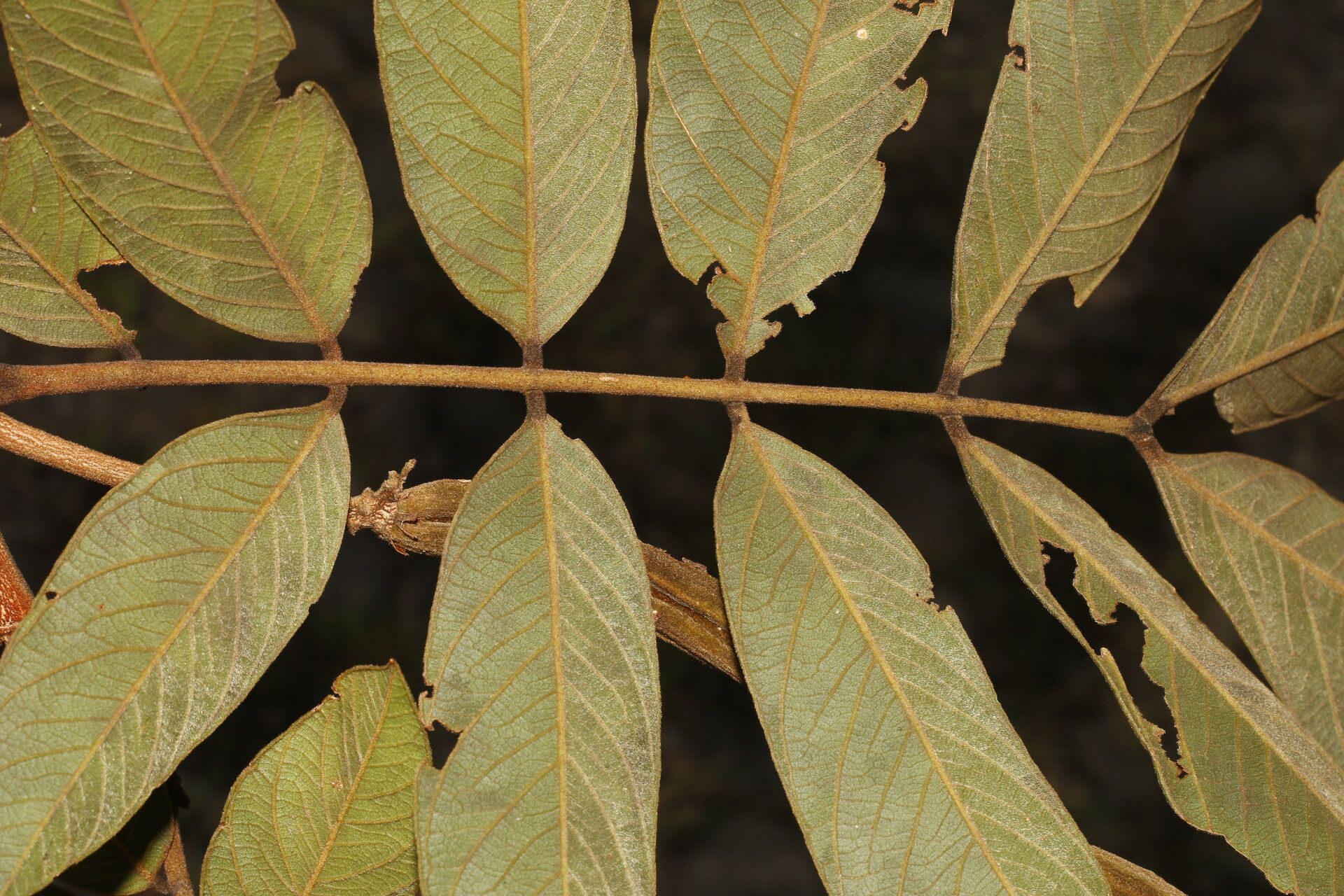
Hello fellow plant lovers! I’m so excited to chat with you today about a plant that truly makes my heart sing: Inga cocleensis. If you’ve ever seen this beauty, with its delicate, fern-like foliage and those utterly charming, fluffy white flower spikes that resemble little puffballs, you’ll understand the allure. More than just its good looks, though, there’s a special kind of joy in coaxing a brand new plant into existence from a piece of its parent. It’s a little bit of magic, and I promise, it’s more accessible than you might think.
Now, let’s address the elephant in the room: is Inga cocleensis a beginner-friendly plant to propagate? Honestly, I’d put it in the “intermediate” category for propagation. It’s not quite as forgiving as a pothos, but with a little attention to detail and some patience, you’ll be well on your way to success.
The Best Time to Start
For the absolute highest chance of success, I always aim to take cuttings in late spring or early summer. This is when the plant is actively growing. You’ll see lots of fresh, vibrant new shoots. These energetic stems have the most vitality and are therefore much more amenable to rooting. Waiting until the weather is consistently warm, but before it gets oppressively hot, is key.
Supplies You’ll Need
Gathering your tools beforehand makes the whole process much smoother. Here’s what I’ve found works best:
- Sharp, clean pruning shears or a razor blade. Sterilize them with rubbing alcohol!
- Small pots or propagation trays. Make sure they have drainage holes.
- A well-draining potting mix. I like to use a blend of equal parts perlite, coco coir, and a good quality peat-free potting soil. You can also buy pre-made cactus or succulent mix, which is often a good starting point.
- Rooting hormone powder or gel. This is a lifesaver, especially for plants that can be a little stubborn to root.
- A plastic bag or a clear plastic dome. This creates a mini-greenhouse effect.
- Optional: A seedling heat mat. This can significantly speed up root development, particularly if your indoor temperatures fluctuate.
Propagation Methods: Stem Cuttings
This is my go-to method for Inga cocleensis. It’s efficient and usually yields great results.
- Select Your Cuttings: Look for healthy, semi-hardwood stems that are about 4-6 inches long. These are stems that have started to firm up but aren’t woody and old. You want to see at least a couple of leaf nodes (where the leaves attach to the stem).
- Make the Cut: Using your sterilized sharp tool, make a clean cut just below a leaf node. This is where the plant is most likely to form roots.
- Prepare the Cutting: Gently remove the lower leaves from the cutting, leaving at least two to four leaves at the top. If the remaining leaves are very large, I’ll often cut them in half horizontally. This reduces water loss through transpiration while still allowing the plant to photosynthesize.
- Apply Rooting Hormone: Dip the cut end of the stem into your rooting hormone, tapping off any excess. Make sure the hormone covers the area where you made the cut.
- Plant Your Cutting: Fill your pots with your prepared potting mix. Gently insert the treated end of the cutting into the soil, making sure at least one or two leaf nodes are buried. You can use a pencil to make a pilot hole to avoid rubbing off too much of the hormone.
- Water Gently: Water the soil thoroughly until it’s evenly moist but not waterlogged.
- Create the Humidity Dome: Cover the pot with a plastic bag or a clear dome. This is crucial! It keeps the humidity high, which helps prevent the cutting from drying out before it can form roots. Make sure the plastic doesn’t directly touch the leaves.
- Provide Light and Warmth: Place your pots in a bright location out of direct sunlight. If you have a heat mat, place the pots on it now.
The “Secret Sauce” (Pro Tips!)
These are a few little tricks I’ve learned over the years that really seem to nudge things in the right direction:
- Don’t Drown Your Leaves! With any foliage plant, the biggest mistake I see is letting the leaves sit in standing water, especially in propagation. It’s an open invitation to rot. Ensure your humidity dome is allowing for some air flow and that your cuttings aren’t wilting because their leaves are constantly damp.
- Bottom Heat is a Game Changer: Seriously, if you can invest in a small seedling heat mat, do it. It creates a consistent, gentle warmth from below, which is exactly what many plants need to kickstart root formation. It makes a noticeable difference in how quickly and reliably cuttings root.
- Think Like a Natural Layer: When I’m struggling with a particularly fussy plant, I sometimes mentally picture how it might layer itself naturally. This often leads me to mimic those conditions – like increasing humidity or ensuring the base of the cutting stays consistently moist and warm.
Aftercare & Troubleshooting
Once you start seeing signs of new growth – tiny new leaves pushing out or a gentle tug on the cutting revealing some resistance – that’s your cue! It means roots are forming.
- Introduction to Open Air: Gradually acclimate your new plant to lower humidity. For the first week or so, I’ll lift the plastic dome for a few hours each day. Slowly increase that time until they’re accustomed to the ambient air.
- Continue Watering: Keep the soil consistently moist but not soggy. As the plant grows, you can begin to water less frequently, allowing the surface of the soil to dry out slightly between waterings.
- Light Needs: Continue to provide bright, indirect light.
What if things go wrong? The most common culprit is rot. If your cutting turns mushy, black, or just looks…well, dead, it’s likely rotted. This is usually due to overwatering, poor drainage, or lack of air circulation. If you see a bit of yellowing on lower leaves, it’s not necessarily the end of the world, but keep an eye on it. Sometimes, a cutting just doesn’t have what it takes, and that’s okay! Don’t be discouraged.
A Little Bit of Patience Goes a Long Way
Propagating plants, especially those with a bit of personality like Inga cocleensis, is a journey. There will be days when you’re checking daily for progress and others when you’ll have to resist the urge to dig them up too soon. Be patient with yourself and with your new little plant. The reward of watching a fresh, healthy new plant unfurl its first true leaves is absolutely worth the effort. Happy propagating!
Resource:
https://identify.plantnet.org/k-world-flora/species/Inga%20cocleensis%20Pittier/data