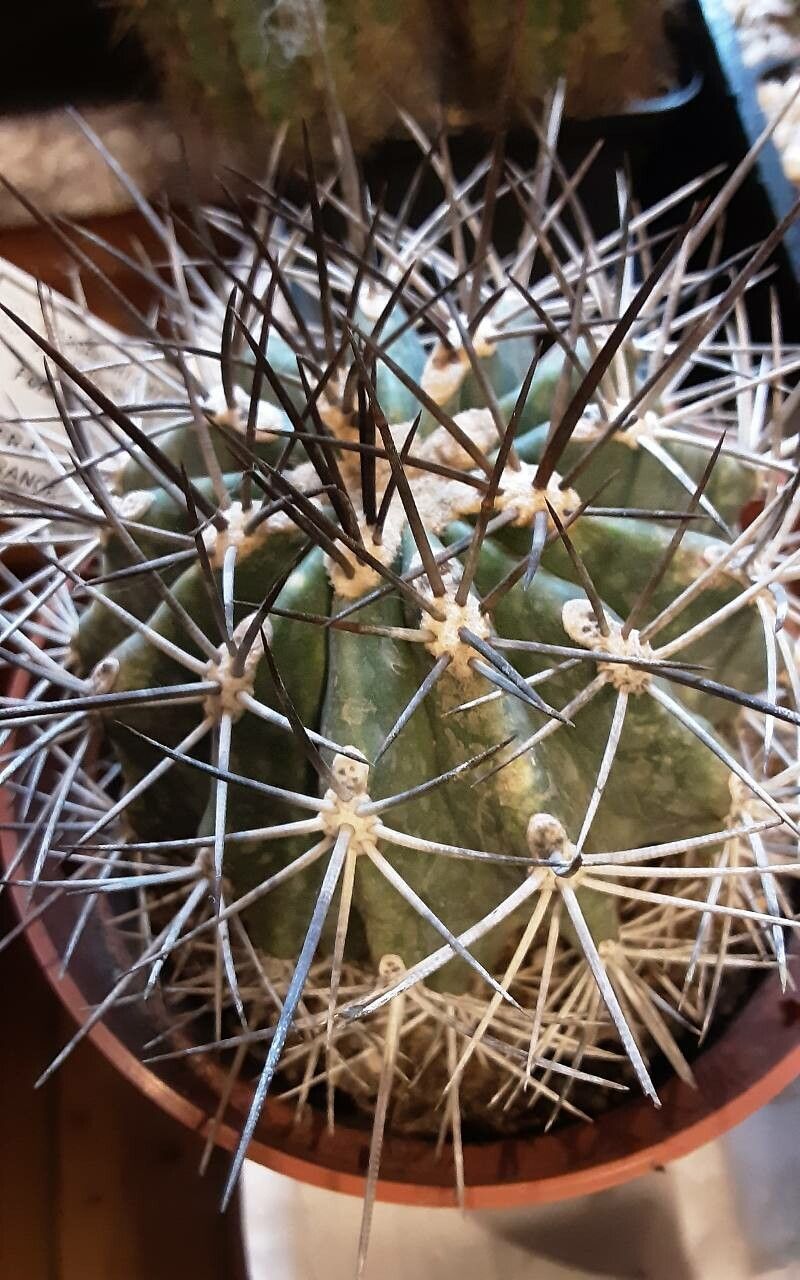
Hello fellow plant lovers! Today, we’re diving into the wonderfully spiky world of Ferocactus lindsayi, or as many of us fondly call it, the Lindsay Barrel Cactus. If you’ve ever admired these impressive cacti, with their sturdy ribs and striking spines, you might be wondering if you can add more to your collection. I’m here to tell you, yes, you absolutely can!
Propagating Ferocactus lindsayi is a rewarding journey. It’s the closest you’ll get to growing a whole new landscape of these beauties from just one. For beginners, it’s not the absolute easiest plant to start with if you’re looking for instant gratification, but with a little patience and the right approach, you’ll be amazed at what you can achieve. Seeing a tiny cutting transform into a thriving barrel cactus is a special kind of magic.
The Best Time to Start
The sweet spot for propagating Ferocactus lindsayi is definitely during its active growing season, which is typically late spring through early summer. This is when the cactus is storing up energy and has the best chance of rooting and establishing itself quickly. Trying to propagate when the plant is dormant in cooler months will likely lead to disappointment.
Supplies You’ll Need
Gathering your tools before you begin makes the whole process much smoother. Here’s what I always have on hand:
- Well-draining potting mix: A cactus-specific mix is ideal, or you can create your own by combining potting soil with perlite or pumice (about 50/50).
- Sharp, sterile knife or pruning shears: For making clean cuts. Sterilize them with rubbing alcohol between cuttings.
- Rooting hormone (optional but recommended): A powdered or liquid form can significantly boost success rates, especially for more challenging cuttings.
- Small pots or trays: With drainage holes, of course!
- Gravel or small stones: For top dressing; it helps keep the base of the cutting dry.
- Gloves: Those spines are no joke, even on a small piece!
- Papertowels or newspaper: To cushion your hands while handling the cactus.
Propagation Methods
For Ferocactus lindsayi, the most reliable method is taking offsets or “pups”, which are miniature cacti that grow from the base of the parent plant.
- Identify the Offset: Look around the base of your established Ferocactus lindsayi. You’ll often see smaller, ball-shaped or cylindrical cacti starting to emerge.
- Gently Loosen: Carefully dig around the base of the offset with your fingers or a small trowel. You want to get enough space to work with.
- Make the Cut: Using your sterilized knife or shears, make a clean cut to detach the offset from the parent plant. Try to get a bit of its own root base if possible, though it’s not always feasible.
- Allow to Callus: This is crucial! Place the detached offset in a warm, dry spot out of direct sunlight for several days to a week. The cut end needs to dry out and form a protective callus. Do not plant it while the cut is still wet. This step prevents rot.
- Plant the Offset: Once callused, gently plant the offset in your prepared succulent mix. You can simply place the callused end into the soil. Don’t bury it too deeply. A light top dressing of gravel can help keep it stable and dry at the soil line.
- Wait for Roots: Resist the urge to water immediately. It can take several weeks, sometimes even months, for roots to develop. You’ll know it’s rooting when it starts to feel more secure in the soil and perhaps shows a tiny bit of new growth.
The “Secret Sauce” (Pro Tips)
Here are a couple of things I’ve learned over the years that can make a big difference:
- Airflow is Your Friend: After planting, ensure good air circulation around your new cuttings. This helps keep the soil surface dry and discourages fungal issues. I often place them in a brightly lit spot with a slight breeze.
- Bottom Heat (If You Have It): If you’re propagating in cooler conditions or want to speed things up, placing your pots on a gentle heat mat can encourage root development. Aim for a soil temperature around 70-75°F (21-24°C).
Aftercare & Troubleshooting
Once you see that little Ferocactus lindsayi holding firm and maybe even growing a bit, it’s time for careful watering.
- Initial Watering: Wait until you’re sure roots have formed. Then, water lightly. Allow the soil to dry out completely between waterings. Overwatering is the quickest way to kill a new succulent cutting.
- Light: Gradually introduce your new plant to brighter indirect light. Avoid intense, direct sun for the first few weeks, as it can scorch the tender new growth.
- Signs of Trouble: The most common issue is rot, which looks like a mushy, discolored base. If this happens, you might be able to salvage a healthy part of the stem by re-cutting, callusing, and replanting. Mushy leaves or a softening stem are also red flags for too much moisture or lack of airflow. If the cactus starts to look shriveled and dry, it might need water, but check if the soil is actually dry first.
A New Spiky Friend
Propagating Ferocactus lindsayi is a lesson in patience and observation. Don’t get discouraged if your first attempt takes time. Each new cactus you grow is a testament to your dedication and a wonderful addition to your collection. Enjoy the process, and soon you’ll have a whole barrel of these fantastic plants to admire!
Resource:
https://identify.plantnet.org/k-world-flora/species/Ferocactus%20lindsayi%20Bravo/data