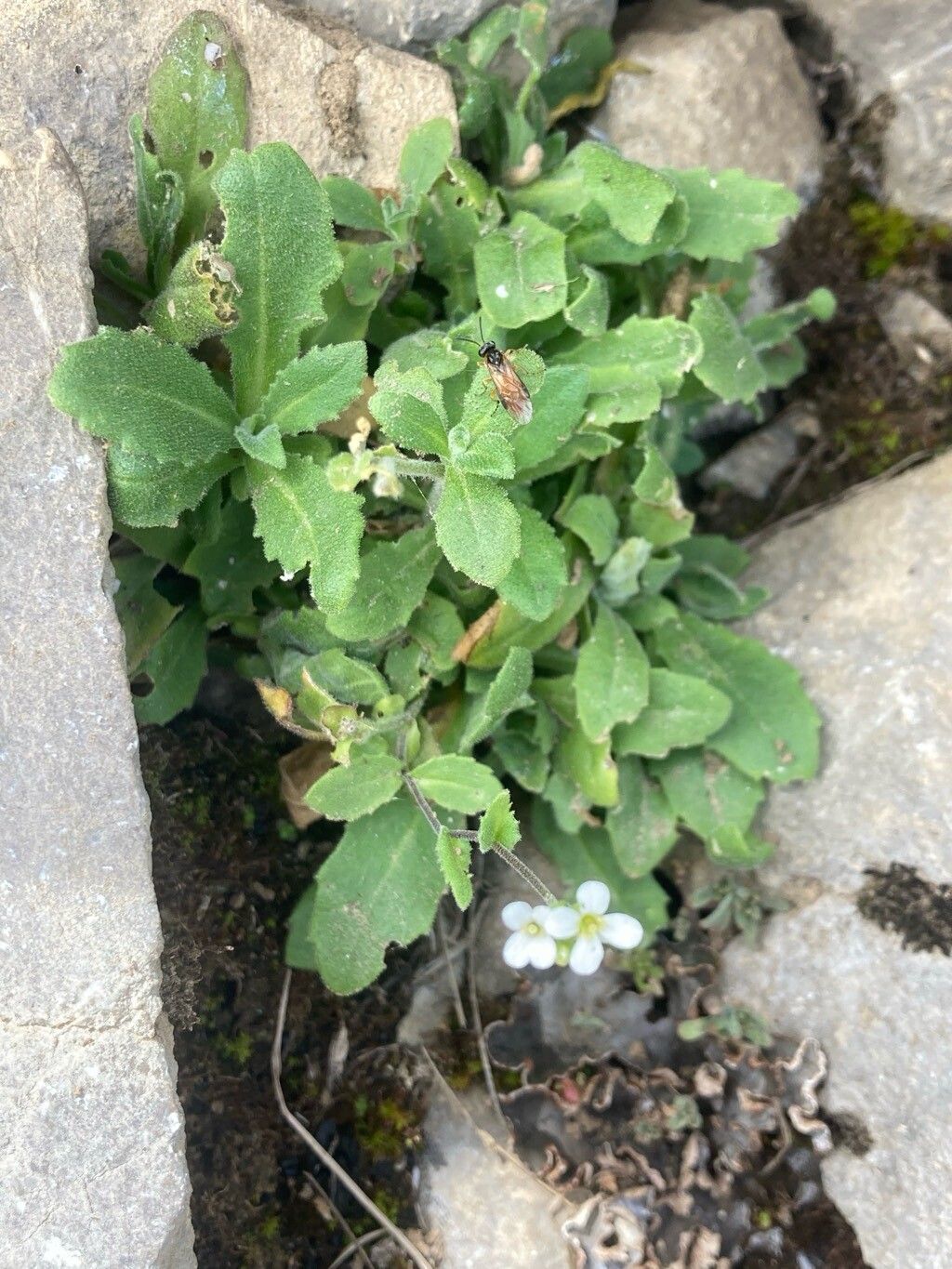
Oh, Arabis alpina! If you’re looking for a delightful groundcover that bursts with charming white flowers, you’ve found a winner. I’ve loved growing these little beauties in my own garden for years. They’re not fussy, and the reward of seeing new plants pop up a little everywhere is just fantastic. Honestly, if you’re just dipping your toes into propagating, Arabis is a wonderful place to start. It’s quite forgiving!
The Best Time to Start
For the absolute best success rate with Arabis alpina, I find the sweet spot is late spring to early summer. This is when the plant is actively growing after its spring blossoming. You want to be taking cuttings or dividing when it’s full of vigor, not when it’s stressed or dormant.
Supplies You’ll Need
Here’s what I usually grab before I start:
- Sharp Pruning Shears or a Craft Knife: Cleanliness is key here, so make sure they’re disinfected.
- Rooting Hormone (Optional but helpful): A good quality powder or gel can give your cuttings a little boost.
- Well-Draining Potting Mix: I usually go for a 50/50 mix of good quality potting soil and perlite or coarse sand. It’s all about preventing soggy roots!
- Small Pots or Trays: terracotta pots work wonderfully as they breathe.
- Plastic Bags or Humidity Domes: To keep things nice and humid for your cuttings.
- Labels: Trust me, future you will thank you for labeling everything!
- Watering Can or Spray Bottle: For gentle watering.
Propagation Methods
There are a couple of tried-and-true ways to get more Arabis:
Stem Cuttings
This is my go-to method for Arabis.
- Take Your Cuttings: In the late spring or early summer, search for healthy, non-flowering shoots. You want bits that are about 3-4 inches long. Use your clean pruning shears and make a cut just below a leaf node (that’s where the leaves attach to the stem).
- Prepare the Cuttings: Gently remove the lower leaves from the cutting, leaving just a couple of leaves at the top. This prevents them from rotting when you bury them.
- Dip in Rooting Hormone (Optional): If you’re using rooting hormone, dip the cut end into the powder or gel. Just tap off any excess.
- Pot Them Up: Fill your small pots with your well-draining mix. Make a small hole with a pencil or your finger and carefully insert the cutting, ensuring the leaf nodes are below the soil surface. Gently firm the soil around it.
- Water Gently: Give them a light watering. You want the soil moist, not soggy.
- Create a Humid Environment: Pop a plastic bag over the pot, securing it loosely with a rubber band, or use a clear plastic dome. This creates a mini-greenhouse.
- Place in Bright, Indirect Light: Find a spot that gets good light but no direct sun, which can scorch your delicate cuttings.
Division
Arabis alpina often forms nice clumps, making division a very easy option.
- Gently Excavate: In the spring or fall, carefully dig up the entire clump of Arabis.
- Separate the Roots: You can often simply pull the clump apart with your hands. If it’s a bit stubborn, use a clean trowel or even your knife to carefully divide it into smaller sections, making sure each section has roots and some healthy foliage.
- Replant Immediately: Plant your divisions into their new homes or pots filled with your good potting mix. Water them in well.
The “Secret Sauce” (Pro Tips)
Here are a few little tricks I’ve picked up:
- Bottom Heat is Your Friend: For stem cuttings, popping them on a heat mat will really speed up the rooting process. This mimics that lovely warm soil temperature that encourages roots to form.
- Don’t Let the Leaves Touch the Water (if water propagating): While I mostly stick to soil for Arabis, if you do try water propagation, make absolutely sure no leaves are submerged. They’ll just rot and invite trouble. Only the bare stem should be in the water.
- Patience with Cuttings: After potting your cuttings, resist the urge to tug on them to see if they have roots. You’ll do more harm than good. Give them at least 3-4 weeks before you even think about checking.
Aftercare & Troubleshooting
Once you see new growth on your cuttings (a good sign!), it’s time to think about life outside the humidity dome.
- Harden Off Gradually: Before planting them out permanently, gradually introduce them to the outside air. Start by removing the plastic bag for a couple of hours each day, then progressively longer.
- Water Consistently: New plants need consistent moisture. Water them when the top inch of soil feels dry.
- Watch for Rot: The biggest enemy of cuttings is often too much moisture, leading to rot. If you see stems turning black and mushy, it’s a sign of overwatering or poor drainage. Act quickly by removing the affected parts and ensuring better air circulation and less water.
- Leggy Growth: If your cuttings seem to be stretching out and getting all spindly, they might not be getting enough light. Move them to a brighter spot.
A Encouraging Closing
Propagating Arabis alpina is such a joy, isn’t it? It’s a fantastic way to fill your garden beds or share these cheerful blooms with friends. Don’t get discouraged if a few don’t make it – that’s just part of the learning process! The most important thing is to enjoy the journey, get your hands in the soil, and celebrate those tiny roots when they finally appear. Happy propagating!
Resource:
https://identify.plantnet.org/k-world-flora/species/Arabis%20alpina%20L./data