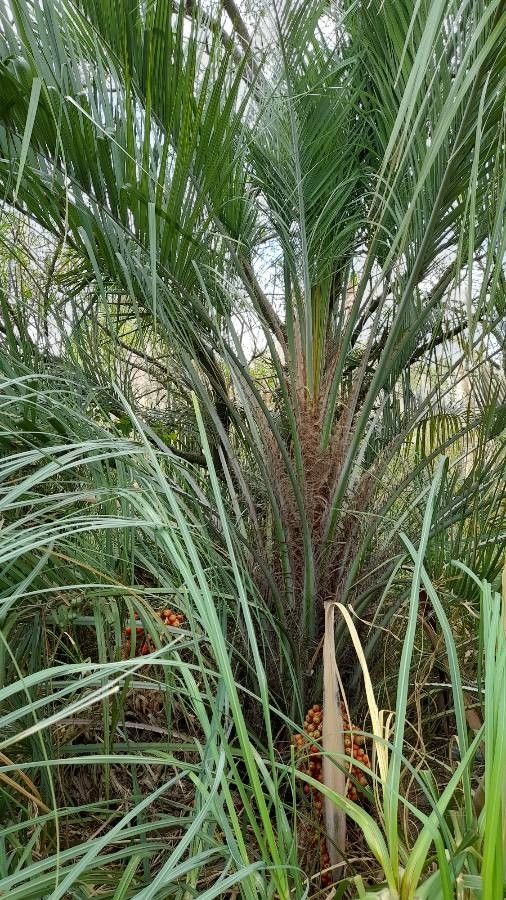
Hey there, fellow plant lovers! So, you’ve fallen for the charm of the Pindo Palm, or Butia odorata, as it’s known botanically. I don’t blame you one bit! These beauties with their feathery fronds and their sweet, date-like fruits are just delightful additions to any garden or tropical-themed space. And the joy of growing your own from scratch? Oh, it’s incredibly rewarding! Now, if you’re wondering if this is a beginner-friendly plant to propagate, I’d say it leans more towards the intermediate side. It’s not impossible, but it does require a bit more patience and attention to detail than, say, a succulent. But don’t let that deter you – with a little know-how, you’ll be well on your way!
The Best Time to Start
For Butia odorata, the sweet spot for propagation is generally during its active growing season. Think late spring through summer. This is when the plant has plenty of energy to put into root development. You’re essentially trying to mimic what nature does, and nature is at its most vigorous then!
Supplies You’ll Need
Gathering your supplies before you begin makes the whole process smoother. Here’s what I usually have on hand:
- Sharp pruning shears or a clean knife: For making precise cuts.
- Well-draining potting mix: A cactus/succulent mix, or a blend of potting soil, perlite, and sand works wonders.
- Small pots or propagation trays: With drainage holes, of course!
- Rooting hormone (optional, but helpful): Especially for cuttings. Look for one containing IBA.
- Plastic bags or a propagation dome: To maintain humidity.
- Spray bottle: For misting.
- A sunny spot or grow light: For optimum light after planting.
- Bottom heat source (optional): A seedling heat mat can be a game-changer for faster root development.
Propagation Methods
Butia odorata is most commonly propagated by seeds or division. While stem cuttings aren’t a typical method for palms like this, if you’re interested in a faster route and have access to a mature plant, division is your best bet. Seed propagation is wonderful but can take a long time.
Seed Propagation (The Patient Gardener’s Way)
- Harvest or Acquire Seeds: If you’re lucky enough to have a fruiting Butia, harvest the fruits when they are ripe and soft, usually a deep orange-yellow. The seeds are inside the fruit. Wash them thoroughly to remove all fruity pulp. If buying seeds, source them from a reputable supplier.
- Soak the Seeds: I like to soak the seeds in lukewarm water for 24-48 hours. This helps to soften the hard seed coat and encourage germination. You can change the water once during this period.
- Sow the Seeds: Fill your pots or trays with your well-draining seed-starting mix. Plant the seeds about 1 inch deep. Space them out if you’re using a larger tray.
- Provide Warmth and Moisture: Cover the pots with plastic wrap or a propagation dome to create a humid environment. Place them in a warm location, ideally around 70-80°F (21-27°C). Keep the soil consistently moist but not soggy.
- Be Patient! This is where the patience comes in. Butia seeds can take anywhere from three months to a year or even longer to germinate. Don’t give up too soon! Once seedlings emerge, remove the plastic cover gradually to acclimatize them.
Division (For the Eager Gardener)
- Assess Your Mature Plant: Look for a Butia that has begun to produce offshoots or “pups” at its base. These are smaller, independent plants growing from the main root system.
- Timing is Key: The best time to divide is during the active growing season (spring/early summer) when the plant is healthy and has ample energy.
- Carefully Excavate: Gently dig around the base of the mature palm, exposing the soil around the pups. You want to get a clear view of where the pup is attached to the mother plant. Avoid damaging the main roots.
- Make the Cut: Using a sharp, clean spade or a sturdy knife, carefully sever the pup from the mother plant. Try to get as much of its own root system as possible. Work slowly and methodically.
- Pot Up the Pup: Plant the separated pup in its own pot filled with your well-draining potting mix. If the pup is quite large and floppy, you might want to tie the fronds loosely together for support. Water it in well.
- Provide Humidity: Just like with seedlings, these divisions can benefit from extra humidity. A light misting or placing a plastic bag loosely over the pot (making sure the fronds don’t touch the plastic) can help.
The “Secret Sauce” (Pro Tips)
Here are a couple of things I’ve learned over the years that really boost success rates for palms:
- Don’t Let Roots Sit in Water: Whether you’re germinating seeds or potting up divisions, excellent drainage is non-negotiable. Palms are notoriously susceptible to root rot from soggy conditions. If your pot has a saucer, empty it after watering.
- Bottom Heat is Your Friend: For seed germination especially, providing consistent bottom heat with a seedling mat can significantly speed up the process and improve germination rates. It mimics the warmth of the tropics.
Aftercare & Troubleshooting
Once your Butia odorata has successfully rooted and shown signs of new growth (this could be a new frond emerging or the seedling standing tall), you can begin treating it like a young established palm.
- Watering: Water thoroughly when the top inch or two of soil feels dry. Allow for good drainage, and reduce watering slightly in cooler months.
- Light: Gradually introduce your new palms to brighter light. Direct, intense sun might be too much initially for very young plants; dappled shade or morning sun is often a good start.
- Fertilizer: Once you see consistent new growth, you can begin a light feeding with a balanced palm fertilizer during the growing season.
Signs of Failure: The most common culprit is root rot. You’ll see yellowing leaves that eventually turn brown and mushy, and the plant might just fall over or feel loose in the soil. This is almost always due to overwatering and poor drainage. If you suspect rot, you might need to carefully unpot the plant to inspect the roots. If they’re black and mushy, it’s likely too late. Another sign of trouble can be slow or nonexistent growth after a considerable amount of time, which might indicate insufficient warmth, light, or very old seed.
A Wonderful Journey
Propagating Butia odorata is a journey, not a race. Embrace the process, be observant, and try not to get discouraged if your first attempt isn’t perfect. Each seed you sow, each pup you divide, is a step towards a beautiful, fruiting palm. So, grab your tools, get your hands in the soil, and enjoy the incredible satisfaction of nurturing life from a tiny seed or a division. Happy growing!
Resource:
https://identify.plantnet.org/k-world-flora/species/Butia%20odorata%20(Barb.Rodr.)%20Noblick/data