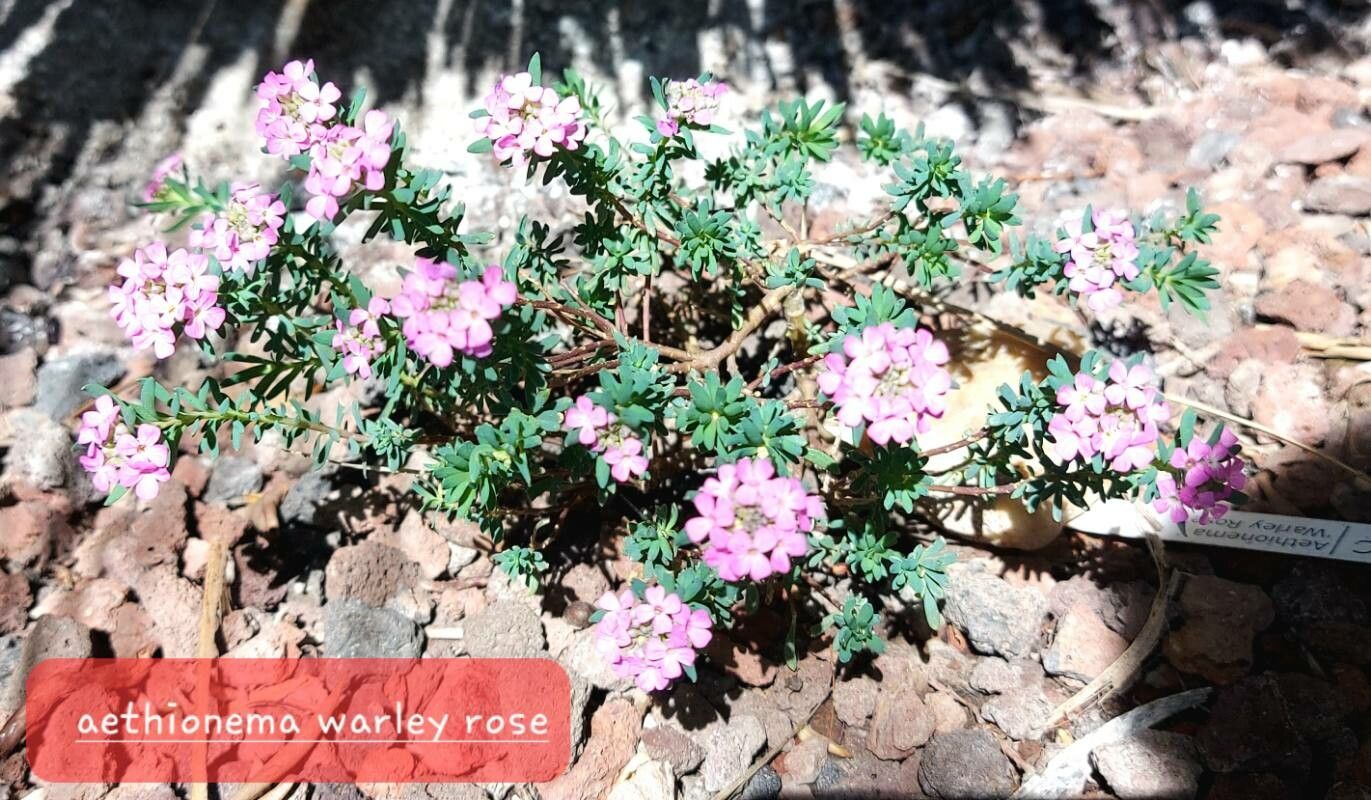
Growing More of THAT Gorgeous Aethionema armenum! (Your Guide to Easy Propagation)
Oh, Aethionema armenum! Isn’t it just a delight? Those delicate, sapphire-blue flowers that seem to spill over the edges of your rock garden or pots are simply breathtaking. They have this charming, mounding habit that makes them look like a little patch of sky settled on the earth. If you’re anything like me, seeing a plant thrive makes you want more of it. And hey, propagating your own beauties is incredibly rewarding – it’s like magic, watching a tiny cutting turn into a whole new, glorious plant! Now, I know some propagates can feel a bit intimidating, but don’t you worry. Aethionema armenum is actually quite forgiving, and with a few simple steps, you’ll be well on your way to growing a whole new collection.
The Best Time to Start
For the highest chance of success, I’ve found that the sweet spot for taking cuttings of Aethionema armenum is late spring to early summer. This is when the plant is actively growing, and the new stems have a good bit of vigor in them. You’ll be looking for those semi-hardwood stems – they’re not floppy and green, but they haven’t gotten too woody and tough yet either. It’s like Goldilocks: just right.
Supplies You’ll Need
Gathering your supplies beforehand makes the whole process much smoother. Here’s what I always have on hand:
- Sharp, clean pruning shears or a sharp knife: For taking clean cuts.
- Rooting hormone powder or gel: While not strictly mandatory for Aethionema, it can definitely give your cuttings a helpful boost.
- A well-draining potting mix: A good combination is equal parts perlite and seed-starting mix (or even some coir). You want something airy that won’t hold too much moisture.
- Small pots or trays: Anything around 3-4 inches in diameter works well. Make sure they have drainage holes!
- A clear plastic bag or a propagation dome: To create a humid environment, which is crucial for cuttings.
- Water source: For watering your mix initially.
- Optional: Bottom heat mat: This can significantly speed up root development, especially if your house is a bit on the cooler side.
Propagation Methods: Stem Cuttings
This is my go-to method for Aethionema armenum, and it’s quite straightforward.
- Taking the Cuttings: Using your clean shears, select a healthy, non-flowering stem. Aim for cuttings that are about 3-4 inches long. Make a clean cut just below a leaf node (where a leaf meets the stem). This is where the magic happens for root formation.
- Preparing the Cuttings: Gently remove the lower leaves from the bottom half of the stem. You want to keep just a few leaves at the top. This prevents them from rotting in the soil.
- Applying Rooting Hormone: Dip the cut end of the stem into your rooting hormone. Tap off any excess.
- Planting the Cuttings: Fill your small pots with your prepared, slightly damp potting mix. Make a small hole in the center with your finger or a pencil. Carefully insert the prepared cutting into the hole, ensuring the leaf nodes are below the soil surface. Gently firm the soil around the stem.
- Creating Humidity: Water the soil lightly. Then, cover the pot with a clear plastic bag, securing it around the rim with a rubber band, or place it under a propagation dome. This creates a mini greenhouse.
The “Secret Sauce” (Pro Tips)
Here are a few little tricks I’ve learned over the years that make a big difference:
- Don’t let leaves touch the water (if you choose water propagation): Though I focus on soil cuttings, if you ever dabble in water propagation, make sure only the stem is submerged. Any leaves underwater will quickly rot and can kill your cutting.
- Use bottom heat if you can: I swear by a heat mat for cuttings. Aethionema loves a little warmth from below. It encourages those roots to start forming much faster, reducing the time they sit vulnerable in the soil. Think of it as giving them a warm hug to get them growing!
- Label everything! It sounds so simple, but you’d be surprised how easily you forget which cutting is which, especially when you’re trying out a few different plants. A waterproof marker and a little tag are your best friends here.
Aftercare & Troubleshooting
Once your cuttings are planted and nestled in their humid haven, give them a bright spot but avoid direct, harsh sunlight. Indirect light is perfect. Keep an eye on the soil moisture – you want it consistently damp, but not soggy. If you see condensation on the plastic bag, it’s a good sign of humidity.
After about 4-6 weeks, you should start to see signs of new growth. You can gently tug on a cutting. If there’s resistance, it means roots have formed! Once they’re well-rooted, you can carefully remove the plastic bag and begin to acclimate them to more normal conditions. Gradually increase their exposure to air over a week or so.
If you encounter problems, rot is the most common culprit. This usually happens from too much moisture and not enough air circulation. If you see a cutting turning black and mushy, unfortunately, it’s probably too far gone. Just discard it and try again, paying closer attention to drainage and humidity levels.
A Little Patience Goes a Long Way
Propagating is a journey, and sometimes things take their own sweet time. Don’t get discouraged if your first few attempts aren’t perfect. Every gardener, myself included, has had their share of cuttings that just didn’t take. The joy is in the process, in learning about your plants, and in the incredible satisfaction of watching something you nurtured grow into a strong, healthy plant. Happy propagating!
Resource:
https://identify.plantnet.org/k-world-flora/species/Aethionema%20armenum%20Boiss./data